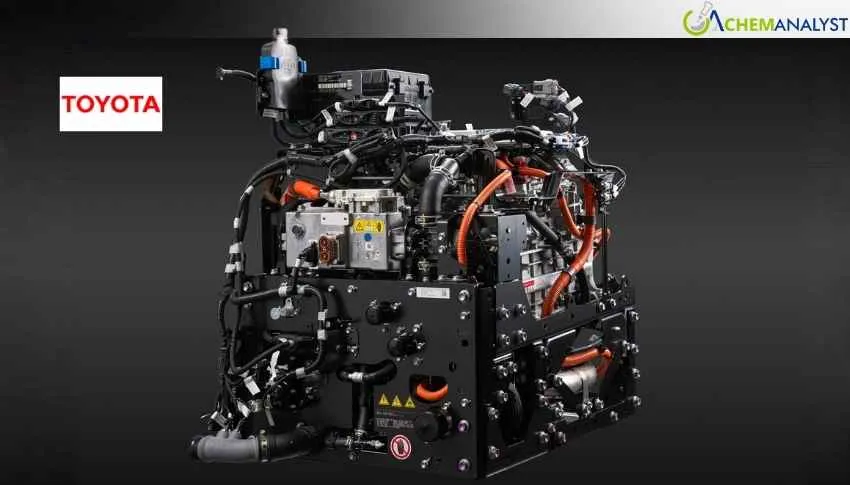
Toyota Hydrogen Solutions has announced a significant advancement in its clean energy initiatives, revealing that its fuel cell technology has successfully secured ANSI/CSA FC 1 and ANSI/CSA FC 6 certifications. These recognitions represent a crucial step forward in enabling broader commercial adoption of fuel cell systems, particularly for stationary power generation applications. By achieving these certifications, Toyota has demonstrated that its fuel cell units meet stringent safety and performance standards established by the American National Standards Institute (ANSI) and the CSA Group, a globally recognized standards organization headquartered in Canada.
The importance of these certifications lies in their role as industry benchmarks for safety, reliability, and compliance. For businesses considering alternative energy solutions, such certifications reduce uncertainty and provide assurance that the technology adheres to well-defined regulatory requirements. This milestone is expected to accelerate the acceptance and deployment of hydrogen-based power systems across various sectors.
Hydrogen fuel cells are increasingly being viewed as a sustainable alternative to conventional internal combustion engine-based generators. Unlike traditional generators that emit greenhouse gases and pollutants, fuel cells generate electricity through an electrochemical reaction between hydrogen and oxygen, producing only water vapor as a byproduct. This makes them a cleaner and quieter solution, ideal for use in environments where emissions and noise need to be minimized.
According to Thibaut de Barros Conti, Vice President of Toyota Hydrogen Solutions, the certification achievement significantly lowers the barriers to entry for customers interested in adopting cleaner energy technologies. He emphasized that the rigorous certification process should instill confidence in businesses as they evaluate investments in environmentally responsible power generation systems. This assurance is particularly important for organizations seeking reliable and compliant alternatives to fossil fuel-based generators.
Toyota’s involvement in fuel cell development spans several decades, reflecting its long-term commitment to advancing hydrogen as a viable energy source. In recent years, the company has expanded its focus beyond automotive applications to include stationary power generation, heavy-duty transportation such as commercial trucks, and equipment used in ports and industrial settings. This diversification underscores the versatility of fuel cell technology and its potential to support multiple sectors in their decarbonization efforts.
One of the notable advantages of stationary fuel cell systems is their operational flexibility. Due to their zero-emission profile at the point of use and reduced noise levels, they are often subject to fewer regulatory restrictions compared to traditional generators. This allows them to run continuously, provided there is a steady hydrogen supply. As a result, they can play a vital role in “peak shaving,” where they help reduce demand on the electrical grid during high-usage periods. Additionally, they can serve as dependable power sources in off-grid locations, including remote facilities or disaster response areas where conventional infrastructure may be unavailable.
Toyota has also been actively building partnerships to scale its hydrogen solutions. At the Advanced Clean Transportation (ACT) Expo last year, the company announced a collaboration with Rehlko, formerly known as Kohler Energy, a global leader in energy resilience solutions. This partnership aims to integrate Toyota’s fuel cell technology into 1-megawatt power generators, combining expertise in system development, integration, and deployment.
Through its continued innovation and strategic collaborations, Toyota Hydrogen Solutions is positioning itself as a key player in the transition to low-carbon energy systems. By offering certified, high-performance fuel cell solutions backed by decades of research and development, the company is helping organizations move toward cleaner, more sustainable energy practices while maintaining reliability and efficiency.






Leave a Comment
Comments (0)