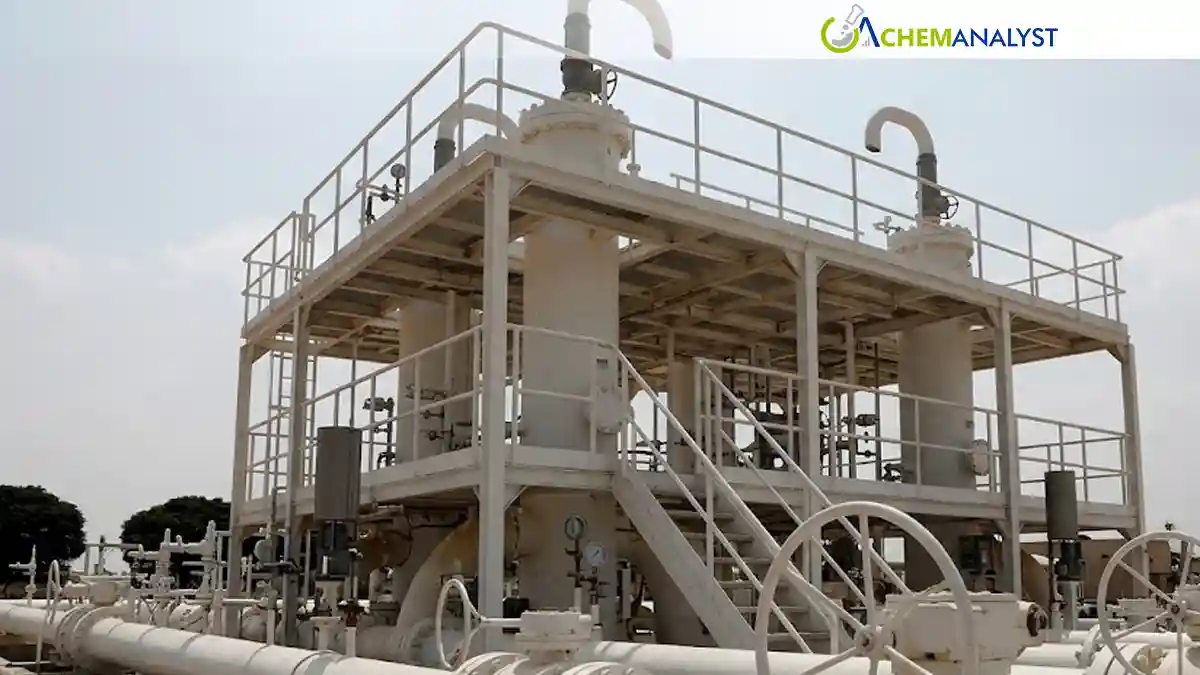
Turkey is preparing to expand energy and mineral cooperation with Syria as Ankara looks to support exploration, infrastructure development and industrial investment in the country. Turkish Energy Minister Alparslan Bayraktar said on Wednesday that Turkey is ready to work with Damascus to explore Syria’s oil and natural gas resources.
Speaking at a joint press conference in Damascus alongside Syrian Energy Minister Mohamed al-Bashir, Bayraktar said Turkey’s state-owned Turkish Petroleum Corporation (TPAO), along with private-sector companies, is prepared to conduct seismic surveys and exploration drilling in both onshore and offshore areas of Syria.
The proposed cooperation could involve Turkey’s growing capabilities in offshore exploration. Turkey operates a deepwater drilling fleet and is currently conducting exploration activities offshore Somalia. TPAO has also secured a license to explore offshore oil resources in Libya, highlighting Ankara’s broader strategy to expand its international energy footprint.
The planned cooperation extends beyond hydrocarbon exploration. Turkey and Syria are expected to commission new energy infrastructure within the coming weeks that would increase electricity transmission capacity between the two countries to more than 800 megawatts. The expansion could improve electricity availability in Syria while strengthening cross-border energy links with Turkey.
Mineral resources are also emerging as an important component of bilateral cooperation. Turkey’s state-owned mining company MTA IC and Syria’s General Directorate of Mineral Resources signed a memorandum of understanding covering phosphate resources during Bayraktar’s visit.
The initial focus of the agreement will be cooperation in phosphate rock production and the establishment of long-term trading arrangements. The initiative also envisions integrated industrial investments aimed at producing phosphoric acid, fertilizers and other phosphate-based products.
Bayraktar described the agreement as the first stage of a much larger development program. The proposed project could include the development of Syrian phosphate deposits, construction of processing and manufacturing facilities, and the development of railway infrastructure connecting production areas with a seaport. Such infrastructure would facilitate the transportation and export of phosphate materials.
Turkey and Syria are expected to work toward a commercial agreement on the phosphate project in the coming days. If implemented, the broader initiative could create a vertically integrated phosphate supply chain spanning mining, processing, fertilizer manufacturing and logistics.
The developments signal Turkey’s interest in securing new energy and mineral opportunities while supporting Syria’s reconstruction and industrial capacity. For Syria, cooperation with Turkey could provide access to technical expertise, investment and infrastructure. For Turkey, the projects could strengthen its regional energy position and create new supply and trading opportunities in oil, gas and fertilizer-related markets.
Product & Chemical Commodity Price Impact
The development could have a moderately bearish-to-neutral impact on regional chemical commodity prices over the longer term, particularly phosphate rock, phosphoric acid and fertilizers. Expanded Syrian phosphate mining could increase regional phosphate supply and improve access to feedstock, potentially placing downward pressure on phosphate rock and phosphoric acid prices if production reaches commercial scale. However, the impact is unlikely to be immediate because exploration, mine development, processing facilities and railway infrastructure will require substantial time and investment. Higher availability of phosphoric acid could eventually reduce fertilizer production costs, while stronger regional supply could pressure DAP, MAP and other phosphate fertilizer prices. Energy exploration may also support broader feedstock stability.







 About ChemAnalyst
Leave a Comment
Comments (0)