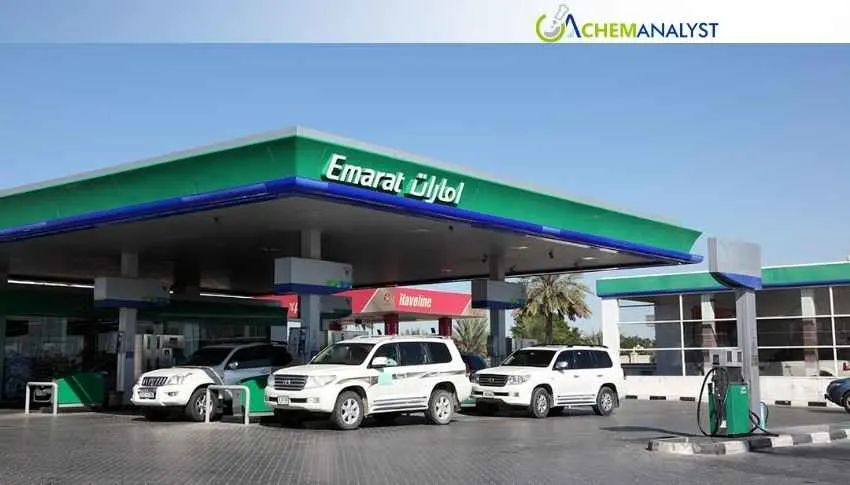
The United Arab Emirates is currently awaiting the announcement of its June 2026 petrol prices, which are determined by the Fuel Price Committee based on global benchmarks and are expected later this week. This announcement comes after three consecutive months of increases, pushing May petrol rates to a three-month high.
For May 2026, Super 98 petrol was priced at AED3.66 per litre, Special 95 at AED3.55, and E Plus 91 at AED3.48, while diesel stood at AED4.69 per litre. These figures represent a significant rise since February, with Super 98 increasing by AED1.21 per litre and both Special 95 and E Plus 91 rising by AED1.22 over the same period. The upward trend began in March, with prices steadily climbing through April and May.
The primary cause of these fluctuations is the UAE's deregulated fuel pricing policy, implemented in August 2015, which links local pump rates directly to international crude oil averages and distribution costs, rather than fixed subsidies. Throughout most of May, global oil prices remained elevated due to supply tensions in regional maritime corridors, leading to expectations of another price hike in the UAE. Brent crude averaged around $106 a barrel during May.
However, a "crude reversal" occurred in late May, with Brent prices dropping from 103.54 to 97.69 and West Texas Intermediate (WTI) sliding to $90.85 on May 24 and 25. This downturn was driven by traders factoring in an easing of pressure on Gulf shipping lanes. This shift in global oil prices has introduced uncertainty into the June price calculations, suggesting that the Fuel Price Committee might consider a flat rate or even a cut, depending on how this late-month crude retreat filters into their pricing formula.
The economic consequences of these price movements are significant for UAE motorists and businesses, particularly those in the transport and logistics sectors. A continued increase would extend the sharpest petrol price run in recent months, impacting consumer budgets and operational costs for fleet operators. Conversely, a stabilization or decrease would offer some relief. Geopolitically, any formal agreement that reopens trade flows and increases supply could further reduce oil's risk premium, potentially leading to a 4 to 8 percent downside in crude prices. Despite the recent increases, current pump rates remain below the peak observed in July 2022, when Super 98 reached AED4.63 per litre.







 About ChemAnalyst
Leave a Comment
Comments (0)