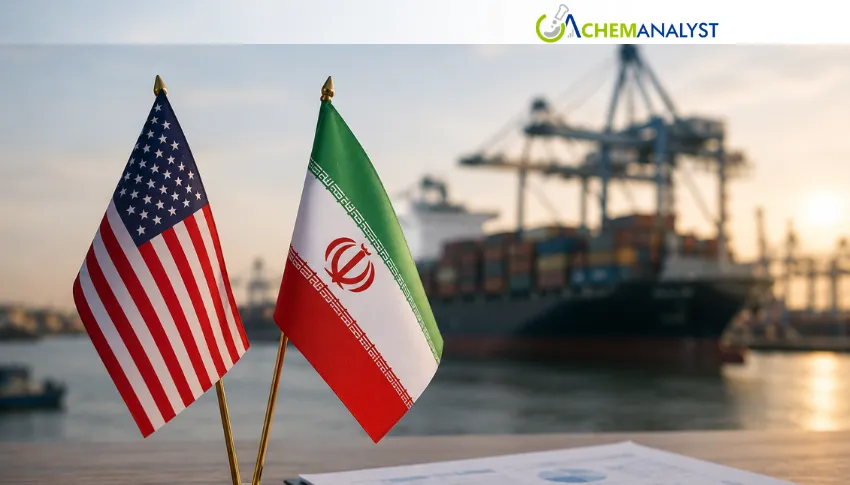
A landmark peace deal has been struck between the United States and Iran, aiming to conclude the 100-day West Asia war and alleviate significant global economic and geopolitical tensions. The preliminary agreement, slated for formal signing in Switzerland on June 19th, has been met with widespread relief across international markets, industries, and policy circles, though concerns about its stability and longevity persist.
A central component of the agreement is the anticipated reopening of the strategically vital Strait of Hormuz, a critical waterway through which a substantial portion of global oil and liquefied natural gas supplies historically traversed. Before the conflict, approximately 60-70% of India's annual oil imports and about a fifth of worldwide oil and LNG passed through this strait. The war had effectively closed this conduit, leading to severe disruptions in global supply chains, energy markets, and maritime trade. The deal also entails the lifting of the longstanding American naval blockade on Iranian ports.
Economically, the immediate impact was evident in a sharp decline in crude oil prices, with Brent and West Texas Intermediate contracts falling by around 5%. However, these prices still remain notably higher than their pre-war levels of approximately $70 per barrel. Global stock markets reacted positively, with indices in Japan, South Korea, Shanghai, and India all registering gains. The Indian Rupee strengthened against the dollar, and benchmark government bond yields fell, reflecting reduced inflation concerns.
Despite the initial market euphoria, significant geopolitical and industry-specific challenges remain. Israeli officials have expressed opposition to the deal, arguing it does not adequately address their security concerns, raising questions about the agreement's long-term stability. Economist Jeffrey Sachs described the ceasefire as "very fragile," highlighting underlying vulnerabilities.
In the energy sector, while the reopening of the Strait of Hormuz is a positive step, experts warn that a full recovery of oil and gas supply will be slow. It could take months for energy companies to restart operations, resume shipping, and meet global demand, partly due to the time required for mine-clearance, rebuilding confidence for safe passage, and reactivating shut-in production. Similarly, the shipping industry, while welcoming the news, anticipates several weeks will be needed to rebuild confidence and ensure safety before regular traffic fully resumes. The agreement is an interim one, including a 60-day window for further negotiations on Iran's nuclear program and phased sanction relief, meaning crucial details and potential geopolitical risks are still unresolved.
The reopening of the Strait of Hormuz is expected to stabilize global petrochemical supply chains by improving the flow of crude oil, natural gas, and chemical feedstocks. Lower oil prices could reduce production costs for chemicals such as polymers, plastics, fertilizers, and solvents, potentially easing price volatility. However, the recovery of supply and shipping operations may take several months, keeping freight costs and raw material availability uncertain in the short term. The fragile nature of the agreement and ongoing geopolitical risks may continue to influence energy prices and create periodic fluctuations in global chemical markets.


Leave a Comment
Comments (0)