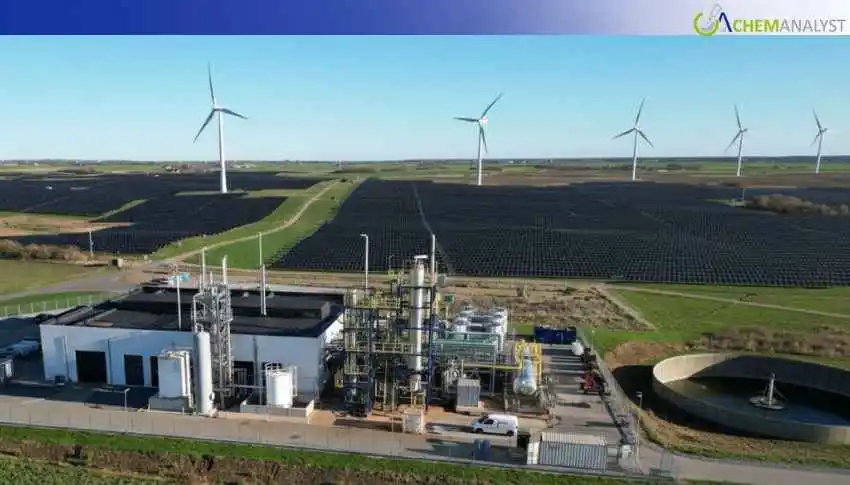
A landmark achievement in the global energy transition has been realized in Denmark with the successful start-up of the world’s first dynamic green ammonia production facility. The project marks a major step forward in demonstrating how renewable energy can be efficiently converted into low-carbon fuels at industrial scale. The initiative is led by Topsoe, a global technology provider specializing in solutions for reducing carbon emissions, in collaboration with Skovgaard Energy and Vestas, the world’s leading supplier of wind energy solutions.
What makes this green ammonia plant truly unique is its dynamic operating concept. Unlike conventional production facilities that require stable and continuous power input, this plant is designed to adjust its operations in real time to fluctuations in renewable energy supply. By integrating electrolysis and ammonia synthesis with variable power output from wind and solar sources, the plant can optimize production while maintaining high efficiency. This adaptive approach significantly reduces the need for expensive storage of either renewable electricity or green hydrogen, which is often a major cost driver in power-to-X projects.
The dynamic model showcased at this facility represents a critical innovation for the future of green fuels. Renewable energy generation, especially from wind and solar, is inherently variable. Instead of compensating for this variability through large-scale storage, the plant responds directly to changes in power availability. As a result, it improves overall system efficiency, enhances cost-effectiveness, and demonstrates how future green fuel plants can operate more flexibly within renewable-based energy systems.
Kim Hedegaard, Chief Executive Officer for Power-to-X at Topsoe, highlighted the broader implications of the achievement. He emphasized that collaboration across the entire value chain has been essential in accelerating the development of green ammonia as a viable solution. According to him, green ammonia offers a powerful pathway to diversify energy supplies while supporting the decarbonization of energy-intensive sectors, including agriculture and long-distance transport such as maritime shipping.
From a regional perspective, the project is also delivering tangible local benefits. Niels Erik Madsen, CEO of Skovgaard Energy, noted that the facility is a source of pride for Northwest Jutland. Beyond its technological significance, the plant is stimulating local innovation, supporting economic growth, and creating jobs. At the same time, it serves as a real-world example of next-generation energy systems that can be replicated and scaled globally to speed up the green transition.
Ammonia itself is widely expected to play a crucial role in the future energy mix. Whether used directly as a low-carbon fuel or as a carrier for hydrogen, ammonia has several advantages. It can be transported using existing infrastructure and applied across multiple sectors. In addition to fuel applications, green ammonia can help reduce emissions in industrial processes such as fertilizer production, steelmaking, and shipping, all of which are traditionally hard to decarbonize.
At this demonstration plant, Topsoe supplies the ammonia synthesis technology, while Vestas provides wind power through its turbines. Additional renewable electricity is generated from Skovgaard Energy’s solar panels and wind installations. The project has received financial support from the Danish Energy Technology Development and Demonstration Program, underlining Denmark’s commitment to advancing clean energy technologies.
Located in Ramme near Lemvig in Northwest Jutland, the facility produces up to 5,000 tons of green ammonia each year using renewable power. This output is expected to prevent approximately 9,600 tons of carbon dioxide emissions annually, demonstrating both the environmental and industrial potential of dynamic green ammonia production.







Leave a Comment
Comments (0)