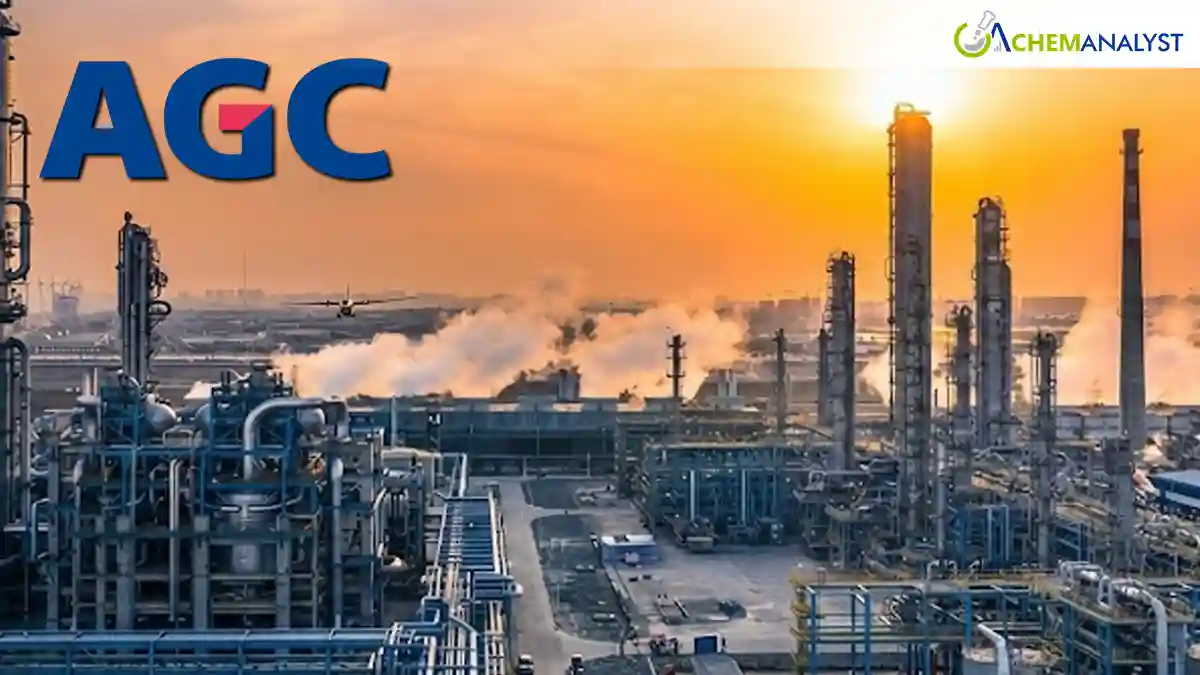
AGC Vinythai has successfully begun commercial operations following a significant capacity expansion at its chlor-alkali facility located in Map Ta Phut, Thailand. This development marks a major milestone for the company and represents one of the most extensive installations of advanced electrolysis technology provided by thyssenkrupp nucera AG & Co. KGaA. The project utilizes the company’s state-of-the-art e-BiTAC v7 system, a bipolar ion exchange membrane electrolyzer designed to ensure safe, reliable, and energy-efficient chlor-alkali production within integrated vinyl manufacturing chains.
With the commissioning of the new electrolyzer, the plant now boasts an annual production capacity of approximately 220,000 tons of caustic soda. In addition to caustic soda, the chlorine generated through this process will be directly used as a key feedstock for AGC Vinythai’s downstream vinyl operations. This integration has enabled the company to significantly scale up its polyvinyl chloride (PVC) output, increasing production capacity from 300,000 tons to an impressive 700,000 tons per year. The expansion not only enhances operational efficiency but also strengthens the company’s supply chain integration, ensuring consistent raw material availability for its vinyl business.
This project represents the largest capital investment ever undertaken by AGC Vinythai, underlining its long-term commitment to growth and leadership in Thailand’s chemical industry. By expanding its production capabilities, the company reinforces its position as a leading supplier of both caustic soda and PVC in the region. The move comes at a time when demand for these essential chemicals is rising rapidly across Southeast Asia, driven by industrialization and infrastructure development.
Caustic soda and PVC are critical materials used across a wide range of industries, including construction, packaging, automotive manufacturing, pulp and paper production, and textiles. The increased production capacity will therefore play a vital role in supporting economic growth and industrial expansion across the region. AGC Vinythai’s enhanced output is expected to help meet both domestic and regional demand, while also improving supply reliability for key industrial customers.
According to Keisho Cho, CEO of thyssenkrupp nucera Japan, the company’s decades of expertise in filter press technology have been instrumental in ensuring optimal performance of the electrolyzer. The design enables uniform pressure distribution across the membrane, which enhances operational stability and efficiency. This technological advantage contributes to reduced energy consumption and minimizes mechanical stress on the membranes, ultimately extending equipment lifespan and lowering operational costs.
Initially, thyssenkrupp nucera was contracted in 2025 to deliver the e-BiTAC v7 electrolyzer system. However, as the project progressed, the scope was expanded to include a broader range of services. These additional responsibilities covered balance- of-plant components such as basic engineering, auxiliary systems, and other supporting units necessary for seamless plant operations. This comprehensive approach ensured the successful execution and integration of the entire system.
Overall, the expansion project represents a significant step forward for AGC Vinythai, enabling it to scale production, adopt advanced technology, and strengthen its market position in Southeast Asia’s growing chlor-alkali sector.







 About ChemAnalyst
Leave a Comment
Comments (0)