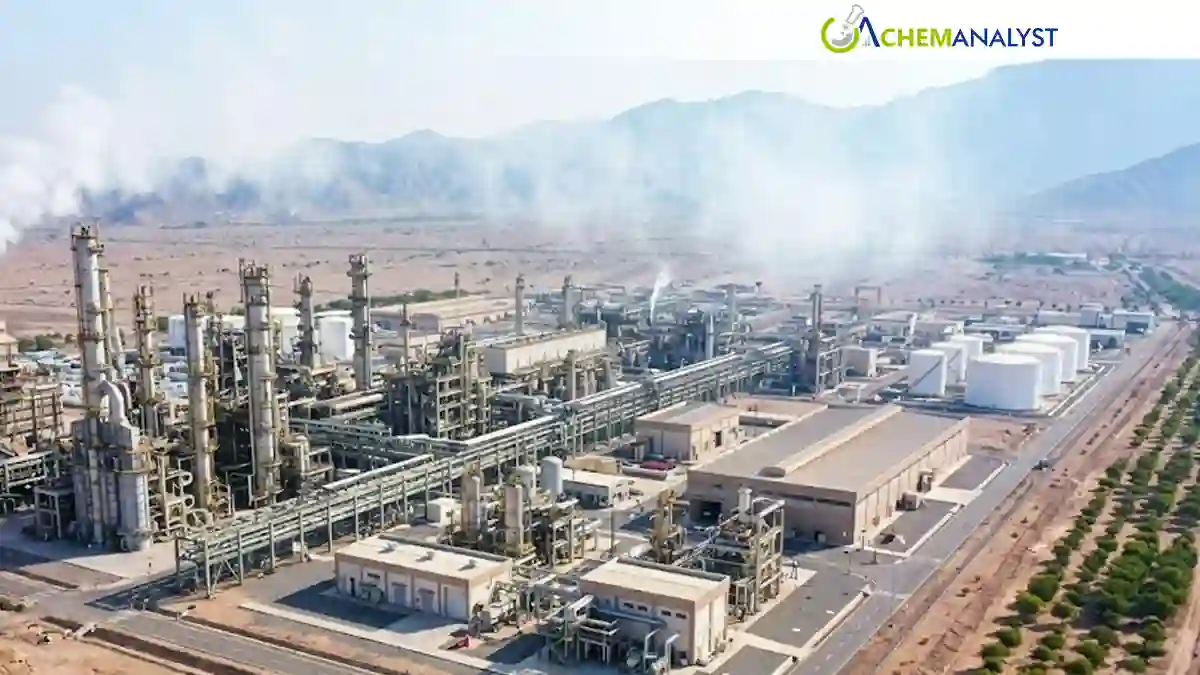
Algeria and Oman have agreed to expand the Algerian-Omani Fertilizer Company (AOA) ammonia-urea complex at Arzew, near Oran, marking a major step toward increasing Algeria’s nitrogen fertilizer production and export capacity. The project will add a third ammonia-urea production train and is expected to raise the complex’s overall production capacity by approximately 50%.
As part of the expansion, Algeria has committed to supplying the additional natural gas required as feedstock for the new production facilities. The move supports the country’s strategy of converting its abundant natural gas resources into higher-value industrial and fertilizer products rather than relying primarily on raw hydrocarbon exports.
The agreement was reached during a meeting between Algerian Minister of State and Minister of Hydrocarbons Mohamed Arkab and Shaikh Saad Suhail Bahwan, Chairman of Oman’s Suhail Bahwan Holding Group, which is AOA’s Omani partner. Oman’s Ambassador to Algeria Saif bin Nasser Al-Badai, Sonatrach Chief Executive Nour Eddine Daoudi, and other senior officials also participated in the discussions.
The partners agreed on an action plan to move the expansion into the implementation stage and mobilize the resources required for construction. Arkab also confirmed government support to accelerate project execution and address potential challenges that could delay the development schedule.
AOA operates at Mers El Hadjadj within the Arzew industrial zone. Established in 2008, the company is a 51:49 joint venture between Suhail Bahwan Group and Algeria’s state-owned energy company Sonatrach. The project involved an estimated investment of approximately USD 2.4 billion and began commercial operations in December 2017.
The complex currently has nominal production capacities of around 4,000 tonnes per day of ammonia and 7,000 tonnes per day of granular urea. In 2024, AOA reportedly produced more than 2.4 million tonnes of urea and 1.35 million tonnes of ammonia, highlighting its importance to Algeria’s fertilizer industry.
Approximately 90% of AOA’s urea production is exported, while the remainder serves the domestic market. The planned expansion could therefore significantly increase Algeria’s presence in international fertilizer markets while generating additional non-hydrocarbon export revenues.
The project also demonstrates Algeria’s broader efforts to strengthen domestic gas-based manufacturing and increase value addition across its hydrocarbon sector. For AOA’s partners, the expansion combines Algeria’s natural gas resources with Omani investment and industrial expertise, potentially strengthening the company’s position as a major North African fertilizer producer.
Product & Chemical Commodity Price Impact
The expansion is likely to have a moderately bearish impact on ammonia and urea prices over the medium to long term, particularly in export markets. A 50% increase in AOA’s capacity would add substantial nitrogen fertilizer supply, with around 90% of its urea output expected to target international markets. Greater availability from Algeria could increase competition among exporters and place downward pressure on urea prices, especially when global supply is already comfortable. Ammonia prices could also face some pressure as additional production enters the market. However, the impact may remain limited initially because construction and commissioning will take time, while global gas costs, agricultural demand, freight rates, and supply disruptions remain key price drivers.








 About ChemAnalyst
Leave a Comment
Comments (0)