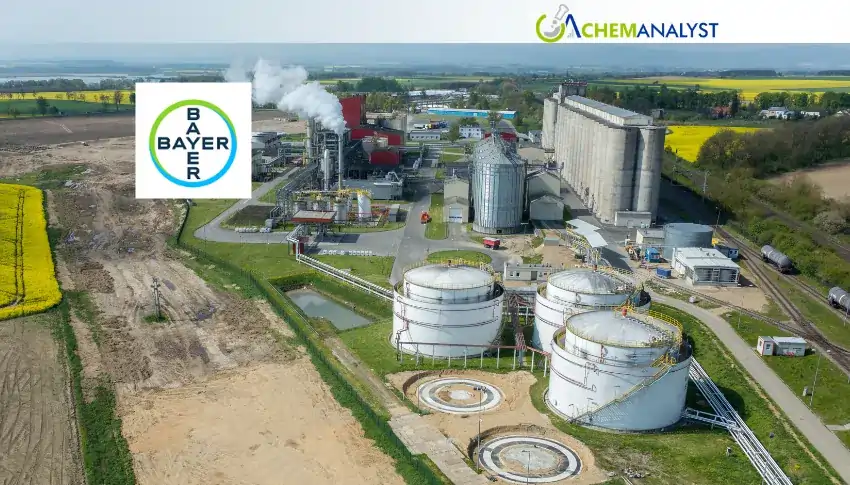
Bayer is seeking to accelerate its efforts to expand biofuel feedstock production in North America as rising geopolitical tensions and the ongoing conflict involving Iran continue to disrupt global energy markets. The German pharmaceutical and agricultural giant believes the current energy uncertainty presents an opportunity to strengthen alternative fuel supply chains, particularly through the cultivation of camelina, a low-input oilseed crop with significant potential for renewable fuel production.
The escalation of conflict in the Middle East has contributed to increased volatility in global oil markets, causing fossil fuel prices to surge. Higher prices for conventional energy sources have renewed global attention toward biofuels as a strategic option for enhancing energy independence, reducing reliance on imported petroleum, and potentially lowering long-term fuel costs. Since biofuels are commonly blended with gasoline or used as alternatives to traditional diesel, their economic attractiveness often improves when crude oil and other fossil fuel prices rise.
Bayer sees this changing energy landscape as a catalyst to accelerate the development and commercialisation of sustainable biofuel crops. The company has placed particular emphasis on camelina, an oil-rich crop that can serve as a promising feedstock for producing biodiesel, renewable diesel, and sustainable aviation fuel (SAF). Unlike conventional biofuel crops that may compete directly with food production, camelina can be cultivated during periods between primary crop growing seasons or on land that is not currently being fully utilised.
The use of agricultural crops for energy generation has long been a subject of global debate. Critics have argued that diverting food crops such as corn and sugar towards fuel production can contribute to higher food prices, increased pressure on agricultural land, and greater risks of deforestation. These concerns have encouraged the development of next-generation biofuels that rely on non-food biomass, agricultural residues, waste materials, and specialised crops that have a smaller impact on food systems.
Camelina represents one such second-generation biofuel solution because of its ability to integrate into existing farming systems without significantly displacing food crop cultivation. It requires relatively low amounts of water and agricultural inputs while offering farmers an additional source of income through improved land productivity. As governments and industries worldwide pursue decarbonisation goals, crops like camelina are increasingly being recognised as valuable components of a more sustainable energy future.
In line with its strategy to expand renewable fuel solutions, Bayer recently announced a strategic partnership with global energy company BP aimed at commercialising camelina-based biofuel production. The collaboration will focus on building a stronger supply chain for camelina cultivation and converting the crop’s oil into lower-carbon fuels, including biodiesel, renewable diesel, and sustainable aviation fuel for the transportation and aviation sectors.
With global energy security becoming a growing concern amid geopolitical conflicts, Bayer’s accelerated push into biofuel feedstocks reflects a broader shift toward diversifying energy sources. By promoting crops that do not directly compete with food production, the company aims to support the transition to cleaner fuels while helping create a more resilient and locally sourced energy ecosystem in North America.








 About ChemAnalyst
Leave a Comment
Comments (0)