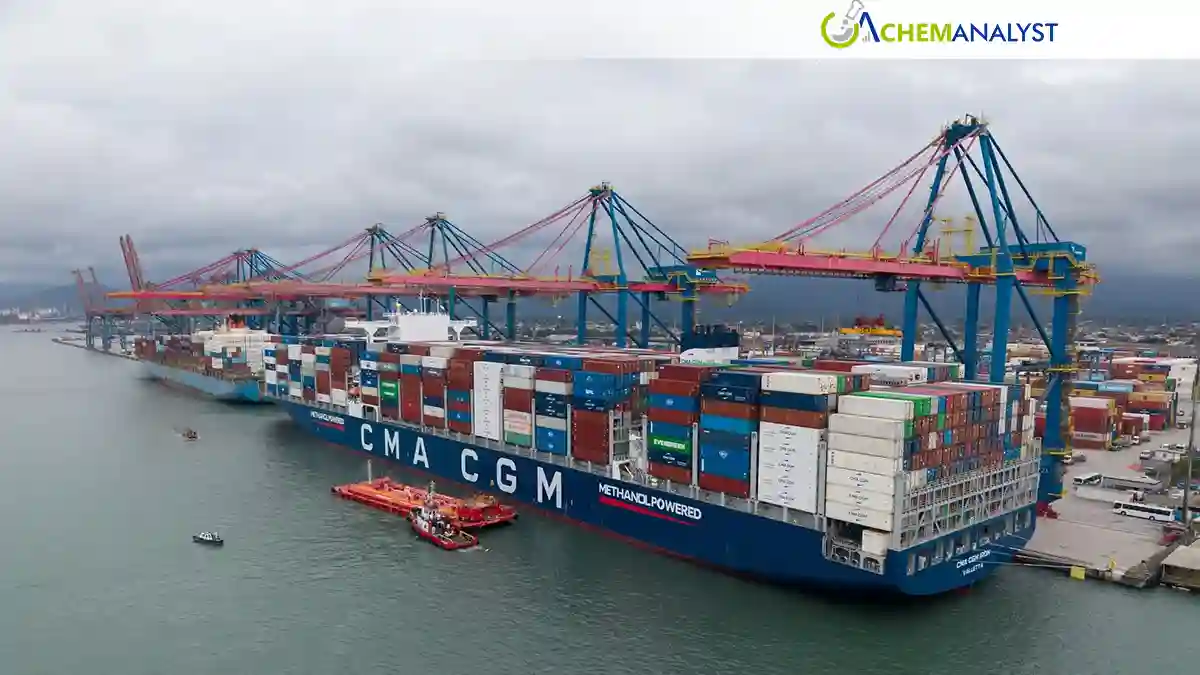
Brazil's maritime sector reached a significant milestone with the first sailing of a container ship powered by Brazilian-made ethanol fuel. The CMA CGM IRON refueled with 650,000 liters of anhydrous ethanol at the port of Santos, signaling a crucial step towards decarbonizing global shipping and opening new opportunities for Brazil's biofuel industry. This event involved the CMA CGM Group, which operates the vessel, Copersucar, the ethanol supplier, and Bunker One, responsible for the refueling operation.
The global shipping industry faces intense pressure to reduce its substantial carbon emissions, a sector often termed "hard-to-abate." The International Maritime Organization (IMO) has set ambitious targets, aiming for a 40% reduction in carbon emissions by 2030 and a 70% reduction by 2050, compared to 2008 levels, with an ultimate net-zero target for 2050. Achieving these goals requires adopting alternative, low-carbon fuels.
Brazil, a global leader in ethanol production, is well-positioned to supply this alternative fuel. Brazilian ethanol offers significant environmental benefits, capable of cutting carbon emissions from vessels by up to 70% compared to traditional bunker fuel. Some studies even suggest an 80% reduction on routes like Brazil to Europe. Furthermore, Brazilian corn ethanol has already cleared a key regulatory step with the IMO, which officially defined and approved its carbon footprint for marine transport.
Ethanol is also globally available and scalable, benefiting from existing production, transportation, and storage infrastructure. Its compatibility with dual-fuel engines, which can run on various fuels including methanol and gasoil, enhances its appeal as a flexible solution for ship operators.
Despite its advantages, ethanol presents some challenges. It has a lower energy density than fossil fuels, approximately 50% less, and about 40% less than biodiesels, which could necessitate more storage space on ships. Ethanol is also corrosive and hygroscopic, meaning it absorbs water, which can affect tanks and engines not specifically designed for it. While its price is currently higher than traditional bunker fuel, this cost could be offset by generating and selling carbon credits.
The industry is actively addressing these issues. Companies like Raizen, a major Brazilian ethanol producer, are collaborating with technology providers such as Wärtsilä to develop ethanol-fueled vessels and test its use as a primary marine fuel. Other key players, including Maersk, have successfully trialed ethanol-powered voyages, and engine manufacturers like WinGD are taking commercial orders for ethanol-powered engines. These developments highlight ethanol's growing potential as a practical and accessible low-carbon fuel, supporting the maritime industry's journey towards a more sustainable future.
Market Impact: This milestone could accelerate ethanol's adoption as a marine fuel alternative, boosting demand from Brazil's biofuel sector and encouraging shipbuilders to invest in dual-fuel engine technology. For product impact, expect increased interest in ethanol bunkering infrastructure and potential partnerships between fuel suppliers and shipping majors.
For ChemAnalyst-tracked commodities, anhydrous ethanol prices may see upward pressure due to rising export demand from the maritime sector, tightening domestic supply in Brazil. Conversely, traditional bunker fuel and marine gasoil could face softer demand growth long-term. Corn and sugarcane feedstock prices may also strengthen as ethanol production scales to meet new marine fuel requirements, especially in Brazil-Europe trade corridors.








 About ChemAnalyst
Leave a Comment
Comments (0)