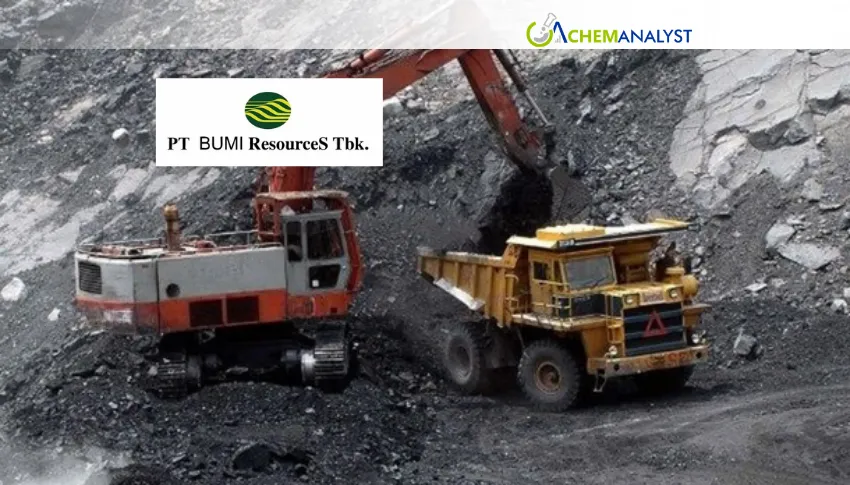
Indonesia’s largest coal producer, PT Bumi Resources, has started construction of a major coal-to-gas project aimed at increasing the value of domestic coal resources and reducing the country’s reliance on imported methanol. The development is being undertaken by PT Bumi Etam Chemical, a joint venture formed by two Bumi Resources subsidiaries, PT Arutmin Indonesia and PT Kaltim Prima Coal.
According to Indonesia’s Energy and Mineral Resources Ministry, the planned facility will use up to 7.78 million tons of low-grade coal to produce as much as two million tons of gas annually. The project represents an effort by the Indonesian government and local industry to convert abundant lower-quality coal into higher-value chemical and energy products.
Deputy Energy Minister Yuliot Tanjung said the project supports Indonesia’s broader strategy of strengthening domestic industrial capabilities, increasing the economic value of natural resources and improving national energy security. The initiative is also expected to reduce dependence on imports by creating a domestic source of feedstock for industries that currently rely heavily on overseas supplies.
A key objective of the project is to produce gas that can ultimately support domestic methanol production. The resulting methanol is expected to replace imported material used in the production of palm oil-based biodiesel. Indonesia imported approximately 1.3 million tons of methanol in 2025, highlighting the significant role overseas suppliers currently play in meeting the country’s requirements.
The project could therefore become an important component of Indonesia’s strategy to establish a more integrated domestic chemical supply chain. By utilizing low-grade coal as a feedstock, the facility could provide an alternative pathway for producing chemical intermediates while simultaneously creating additional value from Indonesia’s large coal resources.
Bumi Etam Chemical CEO Rio Supin said the facility is targeted to begin commissioning in 2029. Although commercial production remains several years away, the project marks a significant step toward expanding Indonesia’s domestic gas and methanol production capacity.
If completed as planned, the facility could influence regional methanol trade flows by reducing Indonesia’s import requirements. It could also encourage further investment in coal-to-chemical technologies and domestic downstream industries. However, the project’s ultimate impact will depend on construction progress, technology performance, operating costs, coal availability and the competitiveness of domestically produced methanol against imported material.
Product & Chemical Commodity Price Impact
The project is bullish for Indonesia’s long-term methanol supply but may create downward pressure on regional methanol prices once production begins around 2029. Replacing a portion of Indonesia’s 1.3 million-ton annual methanol imports could reduce import demand and increase domestic availability, potentially weighing on Asian methanol prices. However, the near-term impact should remain limited because commercial production is several years away. Coal demand may rise as the facility requires up to 7.78 million tons annually, potentially supporting low-grade coal prices. Methanol producers serving Indonesia could face greater competition, while biodiesel-related chemical supply chains may benefit from more stable domestic feedstock availability.








 About ChemAnalyst
Leave a Comment
Comments (0)