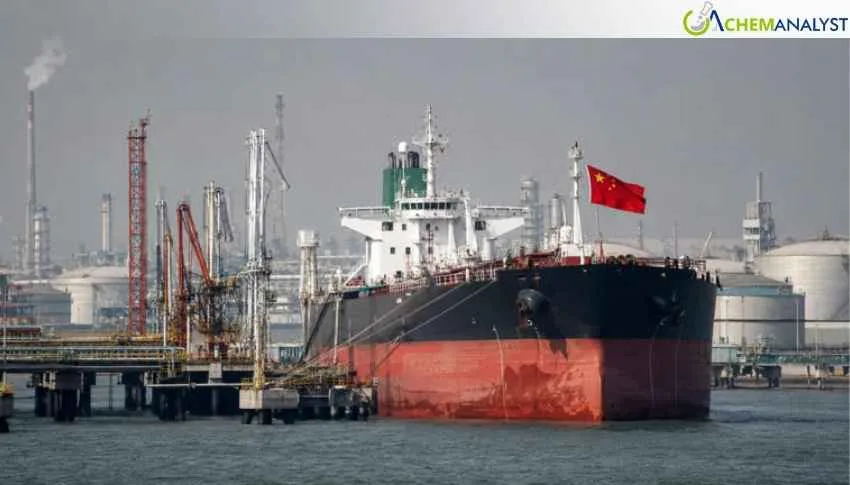
The ongoing conflict in Iran and the subsequent disruption of the Strait of Hormuz have significantly impacted China's energy imports, leading to a sharp decline in April and creating widespread economic and geopolitical ramifications. Chinese energy imports, particularly crude oil and natural gas, experienced a substantial drop, with crude cargoes falling 20% year-on-year to 38.47 million tons, marking the lowest level since July 2022. Similarly, natural gas imports decreased by 13% to 8.42 million tons, with liquefied natural gas (LNG) purchases reaching an eight-year low.
The primary cause of this downturn is the near-halt to shipments through the Strait of Hormuz, a critical maritime chokepoint for global energy supplies. This disruption follows US and Israeli air strikes against Iran on February 28, which escalated the conflict and led to an effective closure of the strait. The Middle East typically accounts for approximately half of China's crude imports and nearly one-third of its LNG, making the region's instability a direct threat to China's energy security.
Economically, the consequences for China are notable. To safeguard domestic supply, the Chinese government has prioritized refined items like diesel and gasoline for internal use, resulting in a dramatic 38% plunge in oil product exports in April, the lowest in nearly a decade. The scarcity of gas has also prompted an increased reliance on alternative energy sources, although Chinese coal imports paradoxically fell by 13% as the nation leaned on its vast domestic output. Beyond energy, trade with Iran and other Gulf states experienced a significant decline in March, with imports from Iran dropping 48% and exports plummeting 90%. Exports to the broader Middle East also fell by 57%, and imports declined by nearly 33%. While copper metal imports saw a slight increase due to lower international prices, copper concentrate imports fell, and steel exports decreased, partly due to the Middle East emerging as a key buyer for Chinese mills. Aluminum exports, however, rose as China, being the world's leading producer, filled some of the supply gap.
Geopolitically, the crisis highlights the extreme vulnerability of the Strait of Hormuz, now seen as a "permanent geopolitical lever". The ongoing conflict and the US naval blockade on Iranian ships have intensified global tensions. China's diplomatic involvement in the US-Iran conflict has increased, with Beijing attempting to mediate, though traders remain skeptical about a near-term resolution. The situation is expected to be a key agenda item at an upcoming presidential summit in Beijing between President Trump and President Xi Jinping, where discussions will likely focus on resolving the conflict and its impact on trade. The uncertainty surrounding the Strait of Hormuz continues to exert significant pressure on global energy markets, with oil prices remaining highly sensitive to developments in the region.







Leave a Comment
Comments (0)