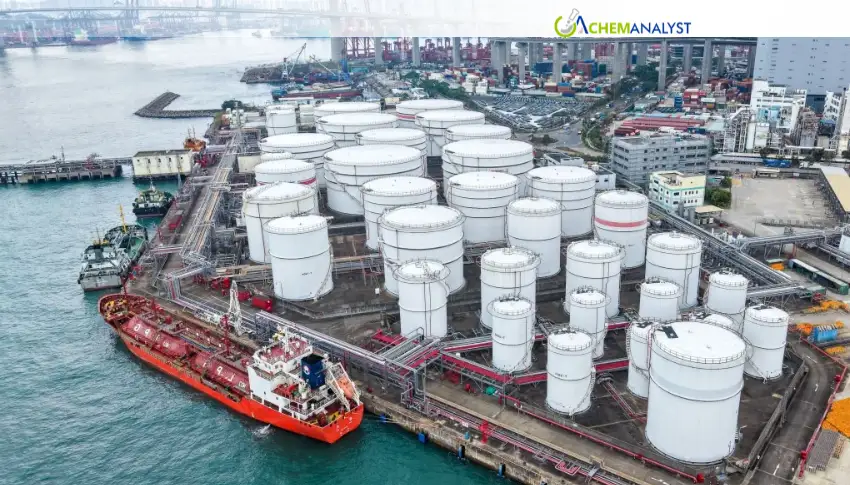
China's fuel oil exports, primarily for marine bunkering, experienced a substantial 55% month-on-month increase in June, reaching the highest volume recorded in 2026 so far. Customs data revealed that export volumes totaled 2.73 million metric tons, or approximately 577,000 barrels per day (bpd). This figure also marks an 18% rise compared to the same month last year.
The significant rise in fuel oil exports was largely driven by competitive pricing at Chinese ports. During May, cheaper prices in China's Zhoushan port, a major bunkering hub, attracted marine fuel demand that might otherwise have gone to regional competitors like Singapore. Additionally, fuel oil imports into China recovered in June, climbing 7% from May to roughly 1.4 million metric tons, or about 295,708 bpd. This rebound in imports was partly due to the Shandong provincial government raising fuel oil import tax rebates for some independent refineries.
This surge in exports aligns with China's broader, long-term energy security strategy. Beijing aims to reduce its heavy dependence on overseas energy supplies and insulate its economy from global energy shocks. In response to geopolitical events, such as the conflict in Iran and the resulting disruption to crude supply through the Strait of Hormuz, China has demonstrated a robust ability to manage its energy market.
The country's strategy involves several measures to maintain stability. China has sharply cut crude oil imports, drawing on extensive strategic petroleum reserves built over years. It has also implemented restrictions on exports of other refined fuels to safeguard domestic supply. These actions helped shield China from extreme price volatility, which saw Brent crude surge from around $72 to nearly $118 per barrel before receding.
China's assertive energy strategy positions it as a significant and independent force in global energy markets. Its ability to reduce crude imports, for instance, by over 41% year-on-year in June to 7.12 million bpd (the lowest since October 2016), helped the global economy absorb the loss of Middle Eastern exports. This demonstrates China's capacity to influence global oil prices and supply chains. The country's opaque policy choices and proactive energy management suggest a future where China's energy dynamics could serve as a strategic tool, impacting international energy security and market stability.
Impact on Chemical Commodity Prices
China's higher fuel oil exports and improved refinery activity could increase demand for refinery feedstocks and support stronger consumption of petroleum derivatives. For commodities tracked by ChemAnalyst, fuel oil prices may remain competitive in Asia due to increased export availability, while crude oil demand could stay relatively subdued as China continues drawing from strategic reserves. Refinery operations may support stable production of downstream petrochemicals such as propylene, benzene, toluene, mixed xylenes, and sulfur. However, restrained crude imports may limit upward pressure on global crude prices, helping maintain relatively stable pricing for naphtha-based petrochemical feedstocks and refined petroleum products across Asian markets.








 About ChemAnalyst
Leave a Comment
Comments (0)