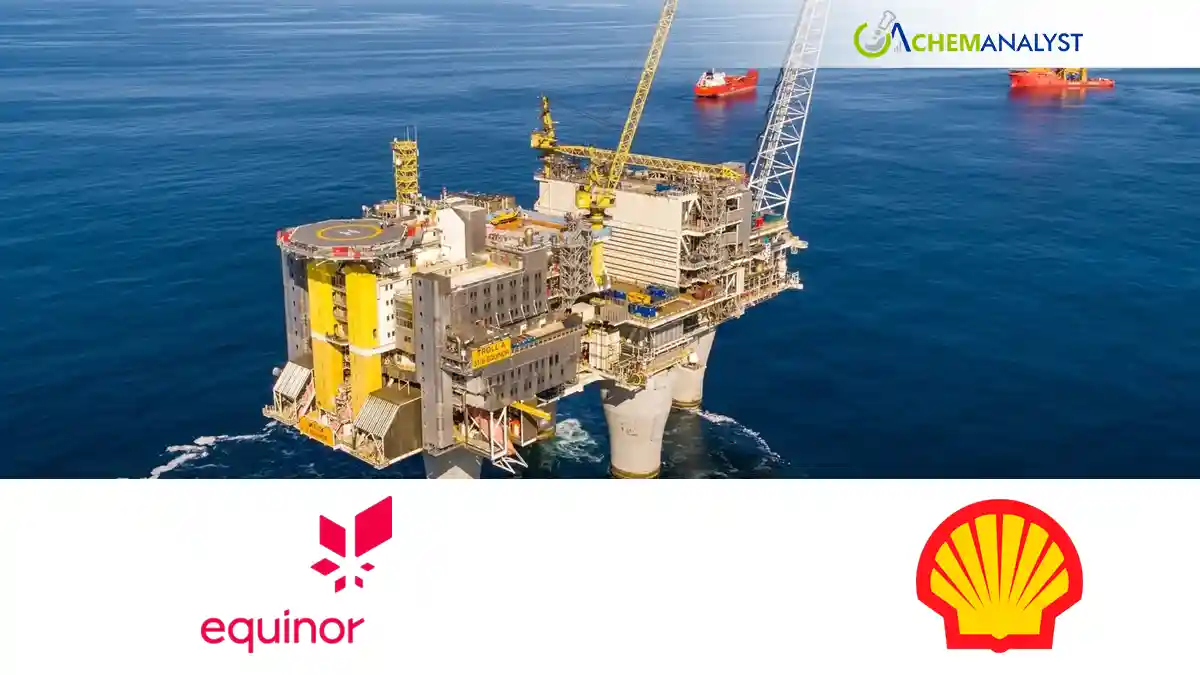
Equinor, alongside its consortium partners Petoro, Shell, TotalEnergies, and ConocoPhillips, has committed an investment of approximately NOK 4 billion towards a new subsea development project designed to significantly boost natural gas output from the Troll field, located in the North Sea. This strategic move underscores the collective commitment of these energy giants to sustaining and growing Norway's role as a reliable supplier of gas to the European market.
According to Gunnar Nakken, Senior Vice President for Projects and Subsea Norway at Equinor, the company has set an ambitious target to begin production as early as 2028. The approach centres on simplification, greater standardisation, and the intelligent reuse of existing infrastructure and equipment — all of which are expected to reduce project costs while accelerating the timeline to first production. "The project helps sustain jobs, value creation and secure gas exports to Europe from Troll A and Kollsnes," Nakken noted, emphasising the broader socioeconomic and energy security implications of the initiative.
The venture, officially named the TWIN project (short for Troll West Increased Gas Recovery North), is projected to yield approximately 11 billion standard cubic metres of gas. It represents the third phase in the ongoing development of Troll Phase 3, which draws gas from the Troll West reservoir. The second step of this phase is scheduled to come online during 2026 and is expected to maintain consistently high production levels from both Troll A and the Kollsnes onshore processing facility through to the end of this decade. Notably, both the offshore platform and the onshore plant operate on electricity sourced from the shore, meaning gas production will carry an exceptionally low carbon footprint.
From a technical standpoint, the TWIN project involves the installation of two wells within a template structure, connected via a pipeline to the field's existing subsea infrastructure. Additionally, the umbilical and monoethylene glycol (MEG) line will be extended to reach the new development area.
This project is one of numerous subsea developments planned across the Norwegian continental shelf in the years ahead. Both the energy industry and regulatory authorities are actively working to streamline processes, cut costs, and accelerate the delivery of new production volumes to market. Nakken acknowledged the growing challenges facing the sector: ageing fields, smaller new discoveries, and rising operational costs all demand a fundamentally different approach. Equinor's ambition is to halve both costs and execution time across its subsea projects, with a target of completing six to eight such developments annually by 2035. Overall, the company is targeting production of 1.3 million barrels per day from the Norwegian continental shelf in that same year.
The Troll field itself is one of the most strategically vital energy assets in Europe, holding nearly 40% of Norway's total gas reserves. Gas from Troll alone accounts for approximately 10% of Europe's total gas requirements, and the field's annual energy output is roughly equivalent to three times Norway's entire annual hydropower generation — a remarkable testament to its scale and significance.
Market Impact: The Equinor TWIN project announcement, which aims to deliver an additional 11 billion standard cubic metres of Norwegian natural gas supply to Europe from as early as 2028, is expected to have a broadly bearish impact on natural gas-linked chemical commodities. As European gas supply security improves, natural gas (TTF) prices are likely to experience downward pressure, leading to reduced production costs for several feedstock-intensive chemical products.
Ammonia prices, which have historically witnessed significant increases during disruptions at Norwegian offshore gas facilities that forced European producers to secure alternative and more expensive gas supplies, are expected to benefit substantially from higher Troll gas output and improved availability. Similarly, methanol production costs across Northwest Europe, which are highly sensitive to fluctuations in natural gas prices, are likely to stabilize as gas affordability improves.
Other chemicals such as urea, styrene, PVC, and LAB, which have previously faced price increases during periods of natural gas supply shortages and elevated energy costs, are also expected to benefit from reduced energy market risk premiums. Ethylene and downstream petrochemical derivatives may see a relatively moderate impact, mainly through lower energy and operational expenses, while polymers and specialty chemicals could gain from improved supply chain reliability and more stable manufacturing conditions.
However, the overall market impact is expected to emerge gradually, as the project’s first production is targeted for 2028. Therefore, significant price relief across energy-dependent chemical commodities will likely be a medium-to-long-term development rather than an immediate market change. Nevertheless, the announcement itself may contribute to easing market concerns and reducing speculative risk premiums in the European chemical and energy sectors.







Leave a Comment
Comments (0)