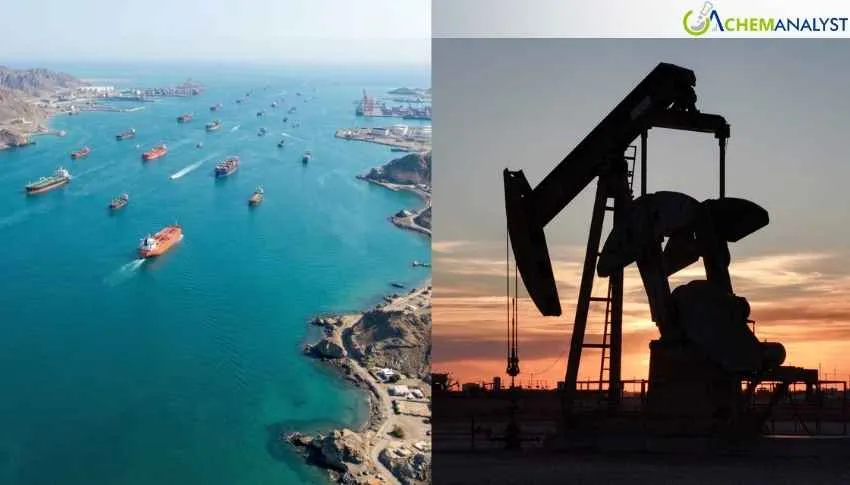
The Strait of Hormuz experienced a significant period of disruption and closure beginning around February 28, 2026, triggered by escalating geopolitical tensions and a war involving the United States, Israel, and Iran. This critical maritime chokepoint, through which approximately one-fifth of the world's total daily oil consumption and a substantial volume of liquefied natural gas (LNG) typically transit, became a focal point of conflict following US-Israeli strikes on Iran and subsequent Iranian retaliation. Iran responded to the initial attacks with missile and drone strikes, issued warnings to shipping, boarded and attacked merchant vessels, and reportedly laid sea mines in the Strait, effectively blocking maritime traffic. The head of the International Energy Agency characterized this as the "greatest global energy security challenge in history."
The consequences of this disruption were immediate and far-reaching, particularly impacting global energy markets. Crude oil prices, which had already seen a geopolitical risk premium pushing Brent crude to 67 per barrel in February 2026, surged dramatically. Following the effective closure of the Strait, Brent crude surpassed 100 per barrel by March 8, 2026, peaking at $126 per barrel, marking the largest-ever monthly increase in oil prices. Global oil supply plummeted by an unprecedented 10.1 million barrels per day in March, leading to severe supply shortages. Consumers and refiners were forced to tap into existing oil inventories, which fell by 85 million barrels globally in March, with a significant drawdown in importing countries in Asia.
Beyond oil, the disruption affected other commodity markets, including sulfur and urea, essential for fertilizers, and helium, crucial for semiconductor manufacturing, leading to increased costs and supply constraints across various industries. The economic impacts extended to broader financial markets, with increased fuel and freight costs exacerbating inflation expectations. Investors moved towards safe-haven assets such as gold, the Japanese Yen, and the Swiss Franc, while global stock markets experienced declines and a bonds market sell-off. Shipping insurance premiums for vessels transiting the Strait also saw a significant hike.
Geopolitically, the crisis highlighted the fragility of global supply chains dependent on the Strait of Hormuz. In a notable development, the United Arab Emirates reportedly left OPEC, a move that could grant it greater autonomy in influencing global oil supplies and prices. The conflict underscored the urgent need for diversification of energy supply routes. Saudi Arabia and the UAE utilized existing pipelines to bypass the Strait, although these alternative routes could only reroute approximately half of the affected oil volume. For natural gas, alternative pipeline infrastructure is largely non-existent, making LNG markets particularly vulnerable.
The situation saw a temporary easing when the Strait of Hormuz reopened on April 17, 2026, during a ceasefire between Israel and Lebanon, leading to a sharp tumble in oil prices of over 10%, with Brent crude falling to $89 per barrel. However, experts warn that even with a reopening, the long-term implications will persist, including a likely permanent shift towards less reliance on the Strait of Hormuz and increased investment in alternative energy sources and resilient supply chains. The conflict has fundamentally altered the global energy landscape, posing lasting challenges for economic stability and international relations.







Leave a Comment
Comments (0)