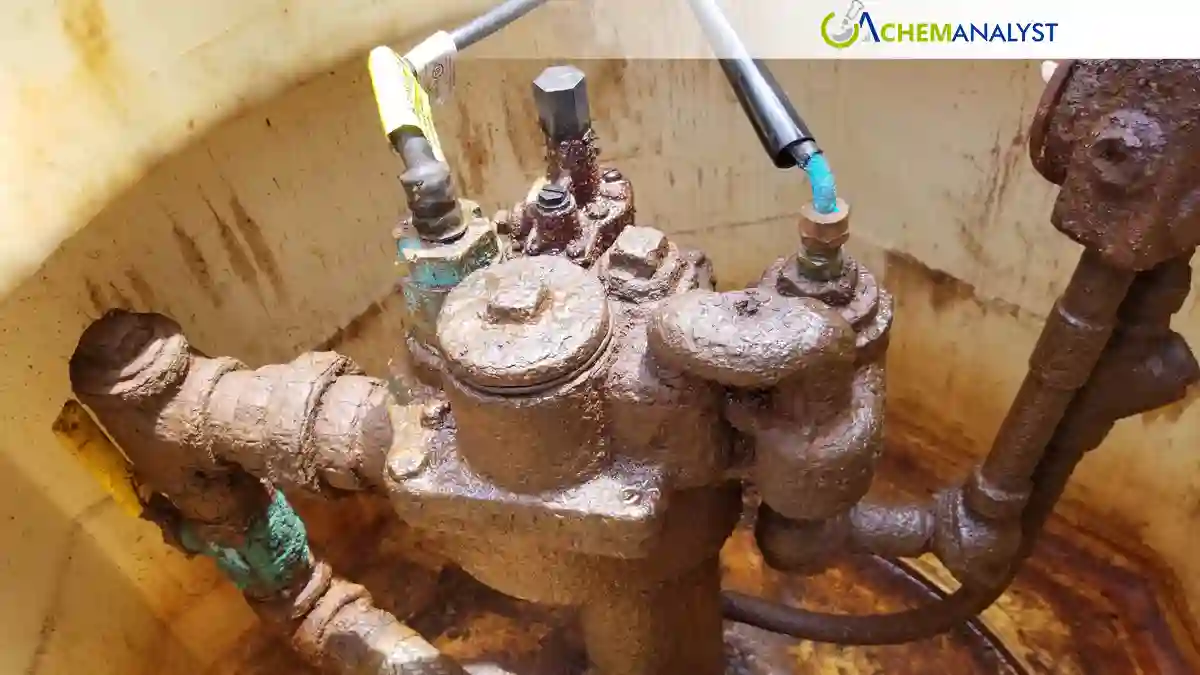
As ethanol-blended fuels become increasingly common across global fuel markets, operators of fuel storage and dispensing systems are encountering growing challenges associated with corrosion. Ethanol's unique chemical properties, particularly its tendency to absorb atmospheric moisture, have intensified corrosion-related issues within fuel infrastructure. To address these concerns, HinderRUST®, an established corrosion inhibitor, is offering an effective solution that helps safeguard critical equipment, improve operational reliability, and minimize long-term maintenance expenses.
Research conducted across the fuel industry indicates that ethanol vapors can create highly corrosive conditions in enclosed areas such as underground storage tank sumps, pump rooms, and other confined spaces. Unlike liquid fuel, ethanol vapors readily combine with moisture, accelerating the corrosion of essential metallic components, including steel, cast iron, and copper. This deterioration often leads to equipment failures, leaks, unexpected shutdowns, and expensive repair or replacement costs.
One of the primary reasons ethanol contributes to corrosion is its hygroscopic nature, which allows it to absorb water from the surrounding environment. Excess moisture inside storage tanks can trigger phase separation, creating favorable conditions for microbial growth. These microorganisms generate acidic compounds, including acetic acid, which further intensify corrosion by producing aggressive vapors that attack metal surfaces throughout fuel systems.
If corrosion remains unchecked, operators may experience damage to pump housings, storage tanks, copper tubing, valves, and fittings. The consequences include declining equipment performance, reduced operational efficiency, higher maintenance expenditures, shortened asset lifespan, and an increased risk of fuel leakage. In severe cases, compromised fuel storage systems can also raise environmental concerns through potential groundwater contamination.
HinderRUST has been developed specifically to combat these corrosion-related issues. The product forms a protective layer over metal surfaces, reducing direct exposure to moisture and oxygen, the primary causes of rust and oxidation. By preventing corrosion before it begins, the inhibitor helps preserve the integrity of tanks, pumps, pipelines, and other critical fuel system components.
The use of HinderRUST delivers several operational advantages, including longer equipment service life, fewer repair requirements, lower replacement costs, and enhanced system reliability. These benefits allow fuel operators to improve asset performance while reducing the financial burden associated with corrosion-related maintenance.
Industry experts also emphasize that corrosion inhibitors should be integrated into a broader preventive maintenance strategy. Recommended measures include using fuel stabilizers and conditioners, upgrading equipment with ethanol-compatible materials, carrying out regular inspections of storage systems, and ensuring tanks remain properly sealed to prevent moisture intrusion. By combining these best practices with corrosion protection technologies such as HinderRUST, fuel operators can significantly improve infrastructure durability and maintain safe, efficient fuel storage and dispensing operations as ethanol-blended fuels continue to gain market share.
Impact on Products and Chemical Commodity Prices
The increased adoption of HinderRUST is expected to strengthen demand for corrosion inhibitors, protective coatings, fuel additives, and specialty anti-rust chemicals used in fuel storage and dispensing systems. As fuel operators invest more in corrosion prevention, consumption of additive formulations and protective maintenance products could rise steadily. However, the impact on major chemical commodities tracked by ChemAnalyst—including ethanol, methanol, benzene, toluene, xylene, steel-related chemicals, and base petrochemicals—is likely to remain limited in the short term. Any price movement would primarily benefit specialty chemical segments rather than bulk petrochemicals, with only modest upward demand expected for corrosion protection chemicals and maintenance-related formulations.








 About ChemAnalyst
Leave a Comment
Comments (0)