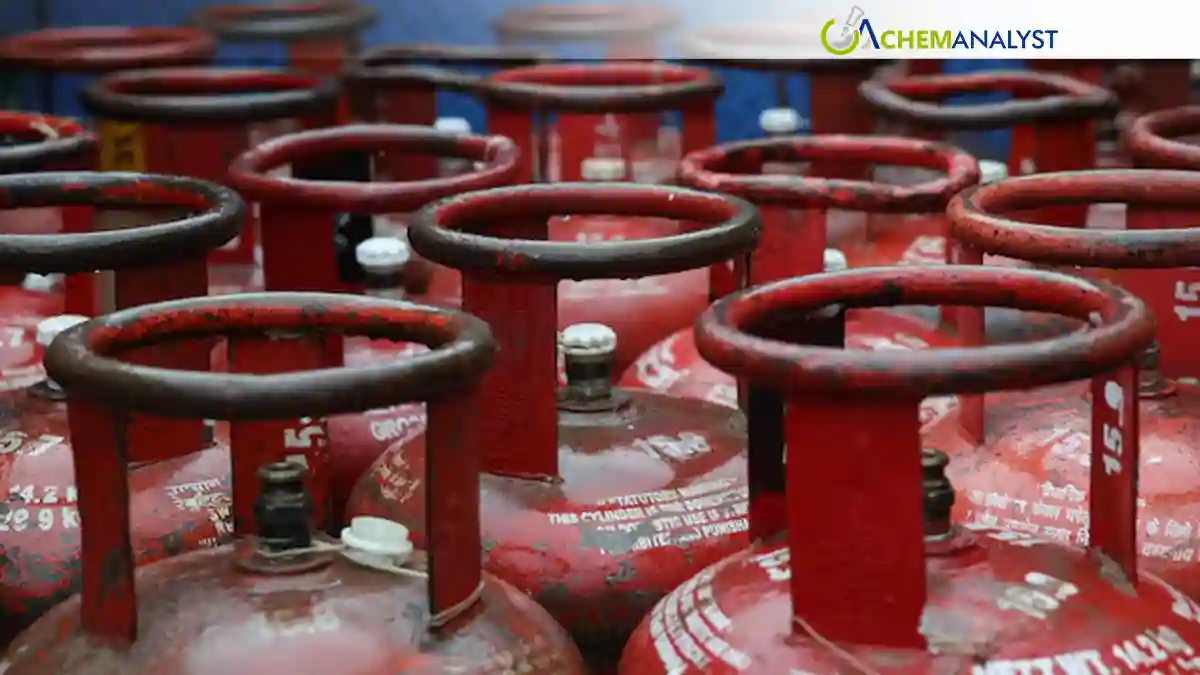
India is considering a new funding mechanism that would require consumers of liquefied petroleum gas (LPG) and natural gas to contribute toward the development of the country’s first comprehensive multi-fuel strategic energy reserve. According to multiple media reports, the proposal comes after supply disruptions caused by the Iran conflict highlighted the risks associated with India’s heavy dependence on imported energy and exposed vulnerabilities in its fuel supply chain.
If approved, the initiative would mark a significant expansion of India’s strategic reserve program, which has so far focused only on crude oil. The proposed plan aims to establish strategic stockpiles of crude oil, liquefied natural gas (LNG), and LPG over the next decade. The reserves would be sufficient to meet nearly two months of the country’s crude oil and LNG demand, along with approximately six weeks of LPG consumption. The objective is to strengthen India’s energy security and ensure uninterrupted fuel supplies during periods of geopolitical instability or global supply disruptions.
To finance the project, the Ministry of Petroleum and Natural Gas has reportedly proposed imposing small levies on LPG and natural gas consumption. These charges are expected to generate approximately $1.5 billion annually, providing a dedicated funding source for the construction of gas storage infrastructure. Unlike crude oil reserves, which would continue to receive financial support from the central government, the proposed LPG and LNG storage facilities would largely be funded through these consumer contributions.
According to the proposal, a levy of 1.29 Indian rupees per kilogram of LPG could be introduced. Based on current consumption levels, this charge is expected to generate nearly $460 million each year. For households, the levy would increase the cost of a standard domestic LPG cylinder by around 18 rupees. In addition, a levy of 1.43 rupees per standard cubic metre of natural gas has been proposed, which could contribute nearly $1 billion annually based on existing demand.
Authorities have not yet clarified the exact mechanism through which these charges would be collected. However, media reports indicate that the proposal remains under discussion among various government ministries and has not yet received final approval from the Union Cabinet led by Prime Minister Narendra Modi.
The proposed levies are estimated to increase household gas bills by approximately 2%. While the additional cost for individual consumers would be relatively modest, the cumulative revenue would provide long-term financial support for expanding India’s strategic fuel storage network. The funding model, particularly the plan to finance LPG and natural gas storage through user charges, represents a new approach that has not previously been reported.
The overall strategic reserve program is expected to require investments of nearly $42 billion over the next 10 years. More than half of this amount would be allocated toward developing new storage infrastructure, while the remaining funds would be used to procure and maintain strategic fuel inventories.
Government estimates suggest that India will require an additional 28 million metric tons of crude oil storage capacity, along with 9 million metric tons of LNG storage and 4 million metric tons of LPG storage to achieve the program’s objectives. These facilities are intended to significantly improve the country’s emergency preparedness and reduce the impact of future supply disruptions.
The proposal gained momentum after the Middle East conflict disrupted global energy markets, increased import costs, and underscored India’s vulnerability to geopolitical events. As the world’s third-largest importer and consumer of crude oil, India imports nearly 90% of its crude requirements. This high level of import dependence leaves the country particularly exposed to disruptions in critical shipping routes such as the Strait of Hormuz, through which a significant share of global oil and gas exports passes.
At present, India operates 5.33 million metric tons of government-owned strategic crude oil storage capacity, while another 6.5 million metric tons are under construction. However, the country currently has no dedicated strategic reserves for LPG or LNG, creating a gap in its emergency energy preparedness.
Compared with other major Asian economies, India’s emergency fuel reserves remain limited. Existing government-controlled reserves are estimated to cover less than 10 days of national demand, whereas countries such as Japan and South Korea maintain strategic reserves capable of meeting more than 100 days of fuel consumption. By establishing integrated reserves for crude oil, LNG, and LPG, India aims to narrow this gap, improve supply resilience, and strengthen its long-term energy security against future geopolitical and market uncertainties..
Impact on LPG
The proposed levy is expected to slightly increase the retail price of LPG, leading to a modest rise in household fuel expenses. While consumers may face a marginal increase in costs, the additional revenue will be used to develop strategic LPG storage infrastructure. Over the long term, expanded storage capacity is expected to strengthen supply security, reduce the risk of shortages during geopolitical disruptions, and improve the reliability of domestic LPG availability. Although the levy may place mild upward pressure on LPG prices in the short term, enhanced strategic reserves could help moderate supply-related price volatility and create a more resilient LPG market.







Leave a Comment
Comments (0)