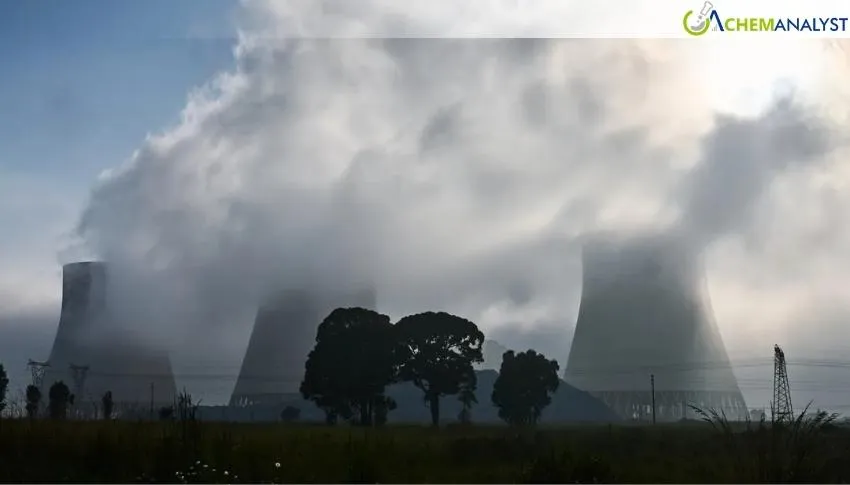
Japan is set to accelerate discussions with South Africa regarding a yen-denominated energy loan and the promotion of its ammonia co-firing technology. This initiative aims to assist South Africa in reducing carbon emissions within its energy sector, which heavily relies on coal for approximately three-quarters of its electricity generation. The move underscores Japan's strategic interest in bolstering the presence of its companies in a nation rich in solar power and green hydrogen potential.
South Africa's pressing need for this assistance stems from its significant dependence on coal, which has led to intermittent power cuts and a critical need for energy sector reform and decarbonization. The country is committed to a just energy transition, seeking to expand renewable energy output and attract international financing to modernize its power system. Japan's proposed solution involves ammonia co-firing, a technology where a portion of coal in power plants is replaced with ammonia, a hydrogen derivative, to curb greenhouse gas emissions. This green ammonia can be produced from green hydrogen, which is generated via electrolysis using renewable energy.
This latest offer builds on previous collaborations between the two nations. A yen-denominated loan was initially discussed in August between South African President Cyril Ramaphosa and former Japanese leader Shigeru Ishiba. Japan has also previously provided up to $150 million to South Africa's Development Bank of Southern Africa for renewable energy projects. Furthermore, Memorandums of Cooperation were signed in September 2023 and November 2025, focusing on developing green hydrogen and ammonia supply chains and broader decarbonization efforts. Japanese companies and banks are already involved in two significant green hydrogen and ammonia joint ventures in South Africa, including the Northern Cape Green Hydrogen Project and Hive Energy's Coega Green Ammonia Project.
The economic impacts of this cooperation are substantial. The loan will support South Africa's energy transition goals, and Japanese investment is anticipated to flow into green hydrogen and ammonia projects, fostering job creation—for instance, Hive's project alone is expected to create over 20,000 jobs. South Africa could emerge as a globally competitive producer of green hydrogen and ammonia, supplying not only Japan but also Korea and Europe. Geopolitically, this strengthens relations between Japan and South Africa, aligning with Japan's broader strategy to enhance its corporate footprint in the region, alongside other nations like Germany. The offer also complements over $10 billion in climate finance pledged by European nations to South Africa.
From an industry perspective, while ammonia co-firing offers a path to reduced emissions, it has drawn criticism for potentially extending the operational life of coal-fired plants. Nevertheless, it signifies a move towards a more diversified and cleaner energy mix for South Africa and the development of a sustainable hydrogen and ammonia supply chain. Moreover, the cooperation aims to advance electrolysis technology in South Africa with Japanese expertise and explore the use of ammonia as a CO2-free fuel for various applications, including maritime transport and, potentially, addressing fertilizer shortages on the African continent.







Leave a Comment
Comments (0)