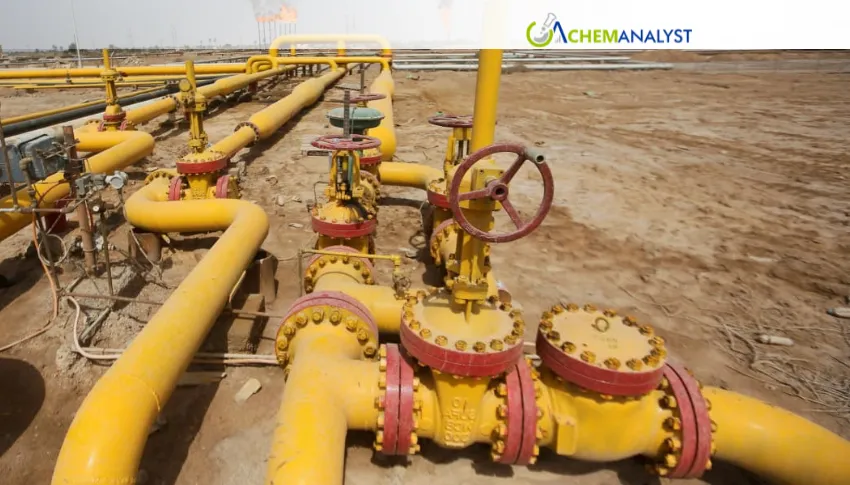
Jordan has approved a new regional energy arrangement aimed at easing Lebanon’s prolonged electricity crisis by supplying natural gas through the existing Arab Gas Pipeline. The Jordanian Cabinet approved the plan on September 6, allowing imported liquefied natural gas (LNG) to be processed at existing facilities in Aqaba before being transported northward through Syria into Lebanon.
Under the proposed framework, Jordan will receive LNG at Aqaba Port on the Red Sea and regasify it using available infrastructure. The resulting natural gas will then move through the Arab Gas Pipeline, utilizing Syrian infrastructure, before reaching Lebanese power-generation facilities. Jordanian Prime Minister Jafar Hassan said the initiative is designed to strengthen regional energy cooperation while providing Lebanon with additional fuel supplies for electricity generation.
The agreement follows a broader cooperation framework established in May, when officials from Jordan, Syria, and Lebanon met in Amman to discuss mechanisms for restoring energy flows across the region. Jordan has already been supplying energy to Syria through the Arab Gas Pipeline under a similar arrangement since early 2026, providing an operational precedent for the proposed extension toward Lebanon.
The additional gas supply could help Lebanon increase power generation and reduce the severity of recurring electricity shortages. Lebanon has faced persistent energy challenges, with prolonged blackouts affecting households, businesses, public institutions, and essential services. A nationwide blackout in 2024 also contributed to severe water rationing after Lebanon faced difficulties meeting payments for imported fossil fuels from Iraq.
Although Lebanon has seven power plants, only Deir Ammar and Zahrani are currently operational. The two facilities can use both fuel oil and natural gas and have a combined generating capacity of approximately 900 MW. However, elevated fuel costs have limited their effective output to around 500 MW.
Lebanese Energy and Water Minister Joseph Saddi welcomed the agreement, emphasizing the importance of regional cooperation in developing a more reliable and sustainable energy system. The initiative could provide Lebanon with a more consistent fuel source while reducing its dependence on expensive emergency fuel procurement.
Syria is also expecting an improvement in its domestic gas production. Energy Minister Mohammad Bashir said Syrian output could increase from approximately 7 million cubic meters per day to 15 million cubic meters per day by the end of 2026. Meanwhile, Lebanon is exploring additional international partnerships. Saddi recently held discussions with Turkish Energy Minister Alparslan Bayraktar, who expressed Turkey’s willingness to support Lebanon through technical expertise and potential joint energy projects.
Chemical Commodity Price Impact
The move is bullish for natural gas and LNG demand in the Levant, as Jordan will require additional imported LNG to support cross-border deliveries. Increased LNG procurement could tighten regional spot availability modestly, potentially supporting LNG prices, particularly if purchases coincide with stronger seasonal demand. Natural gas prices in Jordan, Syria, and Lebanon could also firm as infrastructure utilization increases. For broader ChemAnalyst-tracked commodities, the impact should remain limited initially. However, higher gas availability could improve Lebanese power generation and industrial reliability, potentially supporting demand for methanol, ammonia, urea, and other gas-intensive chemicals over time. Elevated LNG procurement costs may keep regional energy-linked chemical production costs firm.








 About ChemAnalyst
Leave a Comment
Comments (0)