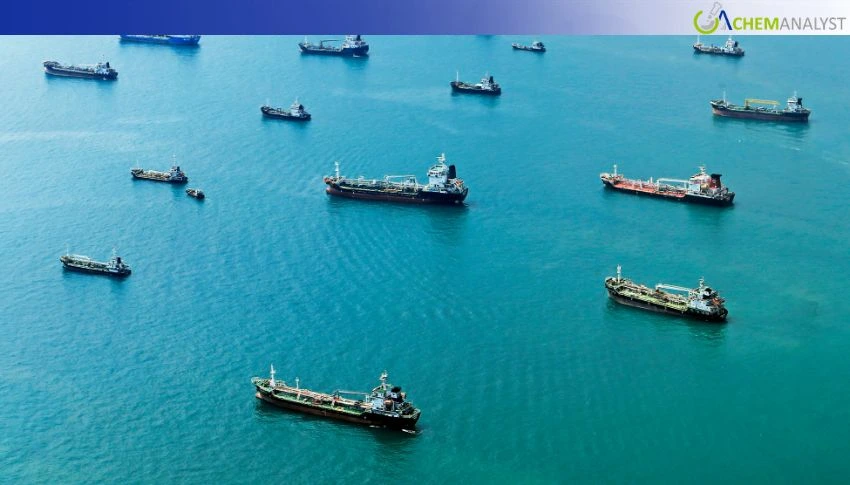
The movement of oil tankers through the Strait of Hormuz appears to have come to a complete standstill as tensions and conflict in the Middle East continue to escalate, according to media reports. On Wednesday, not a single oil tanker passed through the strategically vital waterway, marking an unprecedented halt in traffic that normally carries a large portion of the world’s energy supplies.
According to media reports, the absence of tanker activity represents a dramatic shift from conditions prior to the outbreak of hostilities. Before the war began, the strait saw heavy daily traffic from oil and chemical tankers transporting crude oil, refined fuels, and petrochemical feedstocks between producers in the Gulf and markets around the world. Data cited in media reports indicate that on February 27—the final day before the conflict erupted and attacks on ships began—approximately 65 oil and chemical vessels transited the Strait of Hormuz.
The sudden drop in activity has occurred alongside increasing security concerns and the suspension of marine insurance policies for vessels operating in the region, according to media reports. These developments have made shipowners and charterers reluctant to send vessels through the narrow passage, which connects the Persian Gulf to the Gulf of Oman and the wider global shipping network.
The situation has deteriorated rapidly over the past few days. Media reports note that only three oil and chemical tankers passed through the Strait of Hormuz on Tuesday, already indicating a severe reduction in traffic compared with normal levels. By Wednesday, however, the number fell to zero, highlighting the scale of disruption affecting global maritime energy logistics.
An oil industry representative described the situation as increasingly difficult for shipping operators navigating the region. Speaking to CNN, the representative said the strait is effectively becoming inaccessible under current conditions.
“You see the strait being blocked. It’s difficult for ships to enter or exit,” the industry source told CNN today, according to media reports.
The disruption has raised serious concerns for global energy markets, as the Strait of Hormuz is one of the world’s most critical maritime chokepoints for oil and gas shipments. A significant portion of the crude oil exported by major Gulf producers—including Saudi Arabia, the United Arab Emirates, Kuwait, and Iraq—normally passes through the strait each day.
In response to the escalating shipping crisis, U.S. President Donald Trump has pledged to provide marine insurance and naval escort for vessels operating in the Persian Gulf, according to media reports. The move is intended to reassure shipping companies and restore confidence in the safety of maritime trade routes in the region.
Industry representatives have cautiously welcomed the proposal. One official described the plan as “a step in the right direction,” but also stressed that additional clarity and measures will likely be required before tanker traffic returns to normal levels.
“The market needs a lot more details,” the official said, according to media reports, emphasizing that shipowners and insurers require clearer assurances about safety guarantees and operational procedures before resuming operations.
The disruption is not limited to crude oil shipments. According to media reports, no tankers carrying liquefied natural gas (LNG) have passed through the Strait of Hormuz since Sunday. This suggests that gas exports from the region may also be affected if the situation persists.
Under normal circumstances before the conflict, several tankers carrying liquefied petroleum gas (LPG) and other energy products would pass through the strait each day, according to media reports. The current halt in maritime traffic therefore highlights the profound impact the ongoing conflict is having on global energy supply chains and maritime trade routes.








 About ChemAnalyst
Leave a Comment
Comments (0)