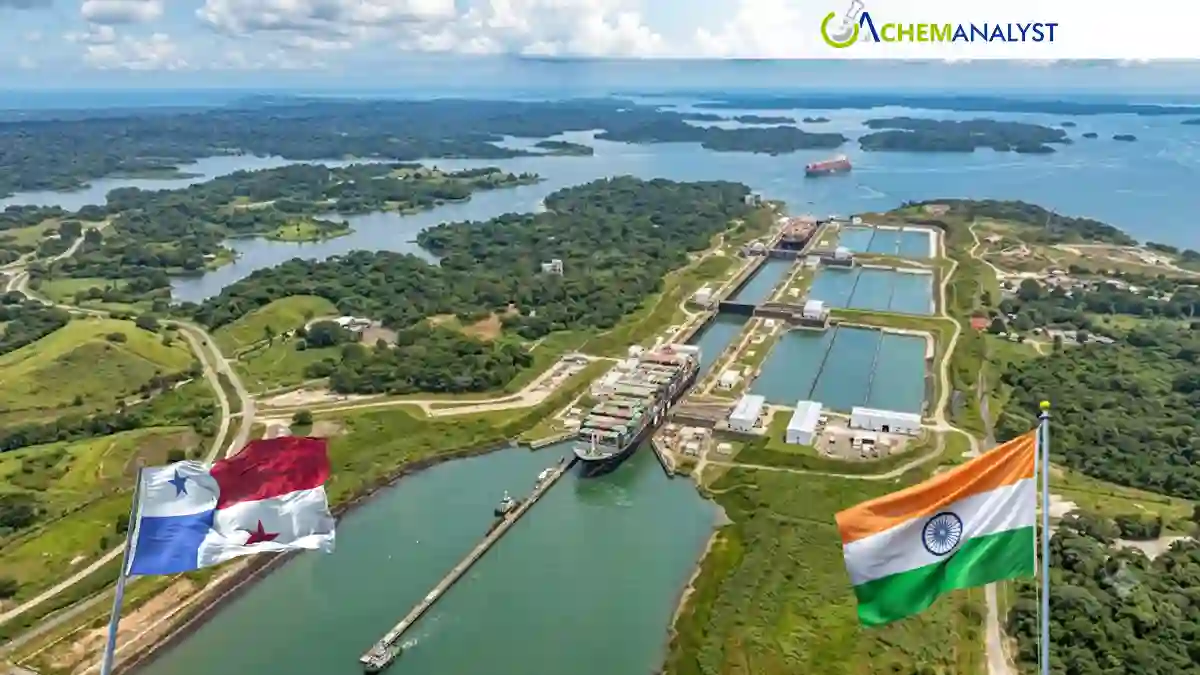
Panama has officially invited India to become a signatory to the international treaty that guarantees the permanent neutrality of the Panama Canal, reinforcing diplomatic efforts to strengthen maritime cooperation between the two countries. The proposal was presented by Panamanian Foreign Minister Javier Eduardo Martínez-Acha Vásquez during discussions with India's External Affairs Minister Subrahmanyam Jaishankar at Hyderabad House in New Delhi on July 20.
The invitation represents a continuation of Panama’s ongoing diplomatic outreach rather than a new initiative. Since at least May 2025, Panamanian authorities have consistently encouraged India’s government and lawmakers to consider joining the treaty's protocol. By extending the invitation once again, Panama seeks broader international support for preserving the canal as a secure, efficient, and universally accessible maritime passage that facilitates uninterrupted global trade.
The Treaty Concerning the Permanent Neutrality and Operation of the Panama Canal establishes that the canal must remain permanently neutral and available for the peaceful transit of commercial vessels from all nations during both peacetime and periods of conflict. The treaty’s protocol allows countries worldwide to accede, with the Organization of American States serving as the official depositary.
Although India welcomed discussions on the proposal, no formal decision regarding accession was announced following the meeting. Instead, both sides focused on enhancing bilateral cooperation across multiple strategic sectors, including trade, investment, maritime transport, healthcare, agriculture, education, digital technology, and collaboration within multilateral organizations.
During the discussions, Jaishankar highlighted Panama’s strategic significance in international commerce, describing the country as a vital gateway connecting India to Latin American markets. He emphasized that Panama’s world-class logistics infrastructure, centered around the Panama Canal, plays an indispensable role in facilitating global trade flows and strengthening supply chain connectivity.
Maritime cooperation emerged as another key pillar of the visit. Martínez-Acha also met with India's Director General of Shipping, Shyam Jagannathan, where both nations advanced negotiations on a maritime transport agreement and a memorandum of understanding aimed at expanding cooperation in the shipping sector.
The proposed framework is expected to cover several important areas, including commercial shipping connectivity, fleet operations, regulatory coordination, recognition of seafarers’ professional certifications, port development, logistics investments, maritime safety, digital transformation, workforce training, and environmentally sustainable shipping technologies.
The Panama Canal has remained under Panama’s full administration, operation, and maintenance since December 31, 1999, following the implementation of the 1977 neutrality treaty signed between Panama and the United States. Panama continues to promote the canal as a neutral and reliable artery for international commerce while seeking wider international participation in safeguarding its long-term stability.
Impact on Products and ChemAnalyst Commodity Prices
The invitation itself does not immediately affect chemical production or commodity supply, but closer India–Panama maritime cooperation could improve long-term shipping efficiency through the Panama Canal. More predictable transit conditions would support smoother movement of petrochemicals, polymers, fertilizers, methanol, caustic soda, solvents, and specialty chemicals between Asia and the Americas. For commodities tracked by ChemAnalyst, the development is expected to have a neutral-to-slightly bearish impact on freight-related costs over the medium to long term, provided maritime agreements advance. Improved logistics and reduced transit uncertainties may help stabilize import and export costs, while no immediate price fluctuations are anticipated in global chemical markets.








 About ChemAnalyst
Leave a Comment
Comments (0)