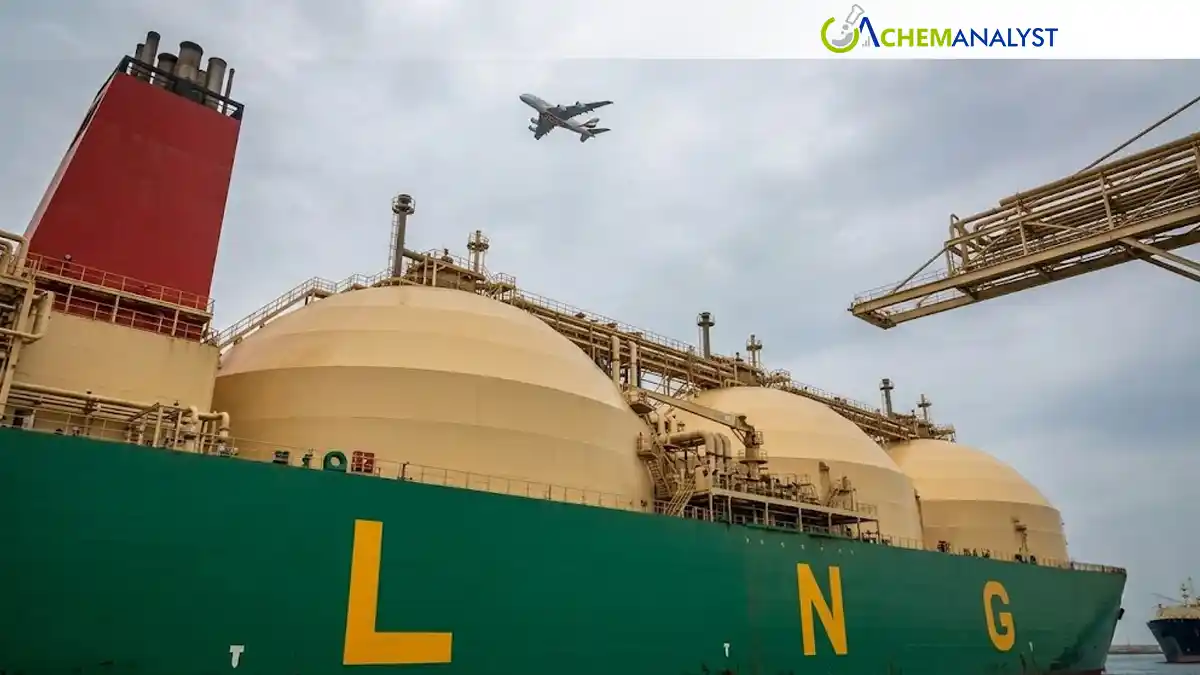
Qatar appears to be preparing for a potential restart of liquefied natural gas (LNG) exports through the Strait of Hormuz, with several empty LNG carriers moving back toward the Arabian Gulf. The vessel movements could indicate that QatarEnergy is positioning ships for a possible resumption of international LNG shipments if security conditions around the critical waterway improve.
According to several media reports, six empty Qatari-linked LNG carriers are currently in the Gulf of Oman or heading toward the region. Another empty LNG carrier recently crossed the Strait of Hormuz and is now sailing inside the Arabian Gulf toward Qatar, according to several media reports. The movements come as Qatar weighs its options amid renewed tensions involving the United States and Iran and restrictions declared by Tehran around the Strait of Hormuz.
Qatar, which historically supplied around one-fifth of global LNG demand, has almost completely halted shipments since one of its LNG tankers was attacked in late July. The situation contrasts with Qatar’s crude oil exports, which have recovered significantly over the past month. The latest tanker movements suggest that Qatar could be preparing for a more proactive approach to LNG exports despite continued uncertainty in the waterway.
QatarEnergy has continued loading LNG onto available empty vessels within the Gulf and has maintained exports to Kuwait. These activities have helped the producer manage storage requirements while keeping parts of its huge LNG export infrastructure operating at minimum levels.
Maintaining some production and loading activity is strategically important for QatarEnergy because it keeps critical equipment operational and allows the company to increase output relatively quickly if conditions around Hormuz stabilize. However, the prolonged disruption has gradually reduced the number of available empty LNG carriers capable of transporting Qatari gas.
At present, 15 LNG carriers carrying Qatari gas are reportedly idled behind the Strait of Hormuz, while two additional vessels are loading at Qatar’s Ras Laffan export terminal. Two empty LNG tankers also appeared to attempt crossing Hormuz in recent days but subsequently turned around. The vessels are now waiting near the eastern entrance of the waterway.
The disruption in Qatari LNG exports has forced buyers across Asia and Europe to seek alternative supplies, supporting elevated LNG prices. A potential restart of Qatari shipments could therefore ease supply pressure, particularly for price-sensitive South Asian markets facing fuel shortages and power disruptions.
Impact on Chemical Commodity Prices Tracked by ChemAnalyst
Qatar’s potential LNG export restart could place downward pressure on natural gas and gas-linked chemical commodity prices if additional Qatari volumes reach Asian and European markets. Improved LNG availability would ease regional supply tightness and could reduce feedstock and energy costs for gas-intensive producers. This may subsequently pressure prices of products such as ammonia, methanol, urea and other gas-based chemicals if production economics improve and supply expands. However, the impact is likely to remain limited initially because Hormuz security risks remain elevated. If shipments resume consistently, lower energy costs could gradually weaken chemical prices; any renewed disruption could quickly reverse this trend and support prices.








 About ChemAnalyst
Leave a Comment
Comments (0)