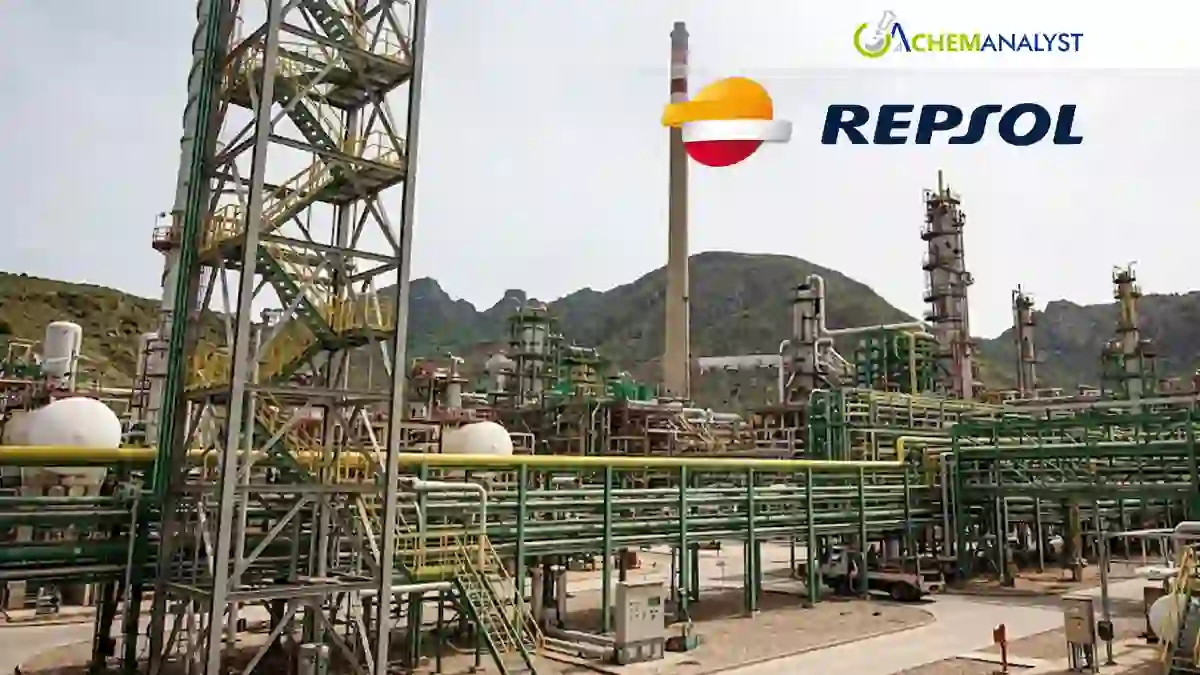
Repsol has reinforced its position as a leading producer and supplier of renewable fuels by commencing operations at its second facility dedicated entirely to renewable fuel production on the Iberian Peninsula. Located within the company’s industrial complex in Puertollano, Ciudad Real, the new plant significantly expands Repsol’s renewable fuel manufacturing capabilities and marks another milestone in its broader sustainability and decarbonization strategy.
The newly inaugurated facility is capable of producing 200,000 tonnes of renewable fuels annually. This output complements the 250,000 tonnes already produced each year at Repsol’s renewable fuels plant in Cartagena, further strengthening the company’s renewable energy portfolio. The project reflects Repsol’s ongoing commitment to transforming its industrial operations through circular economy principles, enabling the production of essential energy products with a substantially lower environmental impact.
To bring the project to life, Repsol invested approximately €130 million in converting a refinery unit that previously processed fossil-based feedstocks into a state-of-the-art facility capable of utilizing used cooking oils and other waste materials generated by the agri-food sector. This transformation represents the first project of its kind on the Iberian Peninsula and highlights the company’s focus on maximizing the value of waste resources while reducing dependence on conventional fossil fuels.
The plant’s annual production of renewable diesel can be immediately utilized in existing cars, heavy-duty trucks, and maritime vessels without requiring any modifications to engines, distribution systems, or refueling infrastructure. According to Repsol, replacing traditional fuels with these renewable alternatives could help avoid around 700,000 tonnes of carbon dioxide emissions annually when considering the entire product life cycle.
Antonio Lorenzo, Director of Repsol’s Puertollano Industrial Complex, emphasized that the start-up of the facility demonstrates the company’s long-term dedication to renewable liquid fuels. He noted that the project also plays a key role in transforming the Puertollano site into a major industrial center focused on circular economy solutions and sustainable fuel production.
Lorenzo described the renewable fuels plant as one of the most significant industrial investments undertaken at the complex in recent years. Beyond environmental benefits, the initiative reflects Repsol’s commitment to supporting industrial development, generating skilled employment opportunities, and contributing to Spain’s energy security and independence.
The project has delivered substantial economic benefits to the region. During the construction and commissioning phases, more than 650,000 work hours were recorded. Around 80 subcontracting companies participated in the project, with the majority sourced locally. On average, over 110 workers were involved daily, while workforce numbers exceeded 250 during peak activity periods.
A major technical achievement of the project was the seamless integration of the new production unit into the existing industrial infrastructure. This involved the installation of specialized large-scale equipment, including reactors specifically designed for renewable fuel production, alongside upgrades to support services and logistics systems.
The facility will also utilize renewable hydrogen to further enhance sustainability. By replacing conventional hydrogen derived from natural gas with hydrogen produced using biogas generated from waste materials, Repsol expects to reduce the carbon footprint of the renewable diesel by up to 98% compared to traditional mineral-based fuels. The company invested an additional €16 million to integrate this renewable hydrogen solution into the complex.
Renewable fuels form a central pillar of Repsol’s multi-energy strategy aimed at reducing transport-related emissions. The company currently markets its 100% renewable Nexa Diesel across more than 1,600 service stations throughout Spain and Portugal, with plans to continue expanding availability. In addition, Repsol produces sustainable aviation fuel (SAF) at the Puertollano complex using organic waste, supplying airlines with lower-carbon alternatives for air transport.
Over the past five years, Repsol has invested nearly €800 million in future-focused projects at Puertollano. Among these is the development of the Iberian Peninsula’s only ultra-high-molecular-weight polyethylene (UHMWPE) production facility, which manufactures a high-performance “superpolymer” used in applications ranging from medical prosthetics to defense textiles. The company has also introduced innovative products such as Reciclex recycled plastics and recycled polyols derived from mattress foam, further enhancing the site’s competitiveness and commitment to sustainable industrial innovation.








 About ChemAnalyst
Leave a Comment
Comments (0)