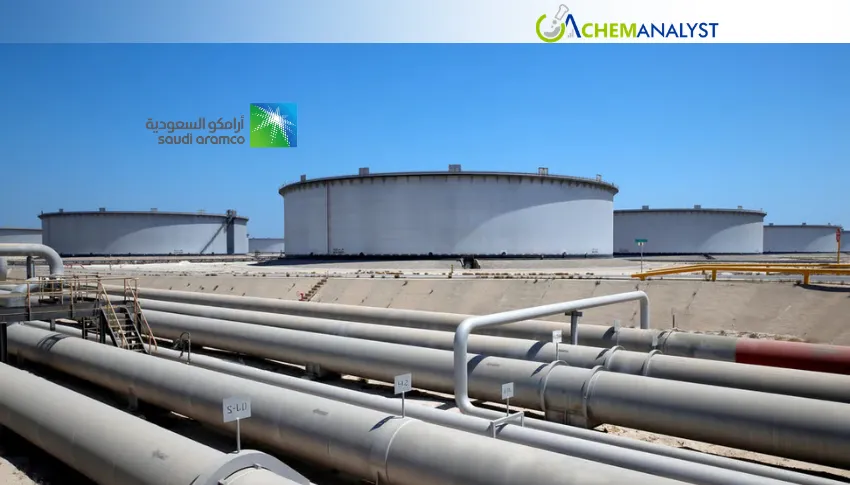
Saudi Arabia's state-owned oil company, Saudi Aramco, announced its most significant crude oil price reduction for Asian buyers in over two decades, or possibly 26 years, for August 2026 deliveries. This substantial cut reflects a rapidly shifting global oil market, moving from concerns about supply disruptions to a landscape of increased supply and softer demand.
Saudi Aramco reduced the official selling price (OSP) of its flagship Arab Light crude for Asian customers by $11 per barrel. This adjustment sets the price at a $1.50 discount to the Oman/Dubai benchmark, a notable change from the previous month's premium of $9.50 per barrel. The magnitude of this cut surpassed analysts' expectations, who had anticipated a smaller reduction of approximately $8 per barrel. This marks the first time since the 2020 oil price war that Arab Light crude for Asia has been sold at a discount. Saudi Aramco also implemented price reductions for customers in Northwest Europe and North America, lowering OSPs by $15 and $8 per barrel, respectively.
Several factors contributed to Saudi Arabia's decision to slash prices. A primary driver is the weakening demand in Asia, particularly from China, which has shown declining refining activity and slower import growth.
Simultaneously, global oil supplies have increased significantly. Geopolitical tensions in the Middle East have eased, specifically with the de-escalation of the Israel-Iran conflict and the gradual reopening of the Strait of Hormuz. This normalization has allowed for increased exports from Gulf producers. Furthermore, the OPEC+ alliance agreed to raise its oil production targets starting in August. Saudi Aramco has also resumed full export volumes from its primary Persian Gulf facilities, adding more crude to the market. This surge in supply, coupled with softer demand, has intensified competition among oil producers for buyers.
The price cut carries significant economic and industry-specific consequences. For Asian refiners, the lower OSP translates into reduced feedstock costs, which could improve their refining margins. Saudi term prices are a key benchmark for regional crude trade, so this move will influence pricing across Asia.
On a broader scale, Brent crude prices have retreated to around $72 per barrel, erasing much of the geopolitical risk premium that had pushed prices higher during the recent conflict. The market's focus has shifted from supply disruptions to an environment of higher output and increased competition. This OSP reduction serves as a strong signal that Asian demand is currently insufficient to absorb available Middle Eastern supplies at previous premium prices. This could impact sentiment in oil-linked equities, shipping demand, and commodity-linked currencies. While the price cut is substantial, some Asian buyers still found Saudi crude more expensive than alternative regional suppliers, suggesting the possibility of further price adjustments if the supply surplus persists.
Impact on Crude Oil and ChemAnalyst-Tracked Commodity Prices
Saudi Aramco's unprecedented reduction in official selling prices for Asian buyers signals a distinctly bearish outlook for the global crude oil market. The combination of rising OPEC+ production, easing geopolitical tensions in the Middle East, restored exports through the Strait of Hormuz, and weak Asian demand—particularly from China—has created a supply-heavy market. As a result, crude oil prices are expected to remain under downward pressure in the near term, with Brent and Dubai benchmarks likely to face limited upside unless demand improves significantly. Lower Saudi crude prices will reduce feedstock costs for refiners, encouraging higher refinery utilization and improving refining margins. For chemical commodities tracked by ChemAnalyst, cheaper crude oil is expected to lower production costs for petrochemical feedstocks such as naphtha, propylene, benzene, toluene, mixed xylenes, and downstream polymers. Consequently, prices of crude oil-linked chemicals may soften in the coming weeks, particularly in Asia, unless supply-side disruptions or stronger industrial demand offset the current oversupply.







 About ChemAnalyst
Leave a Comment
Comments (0)