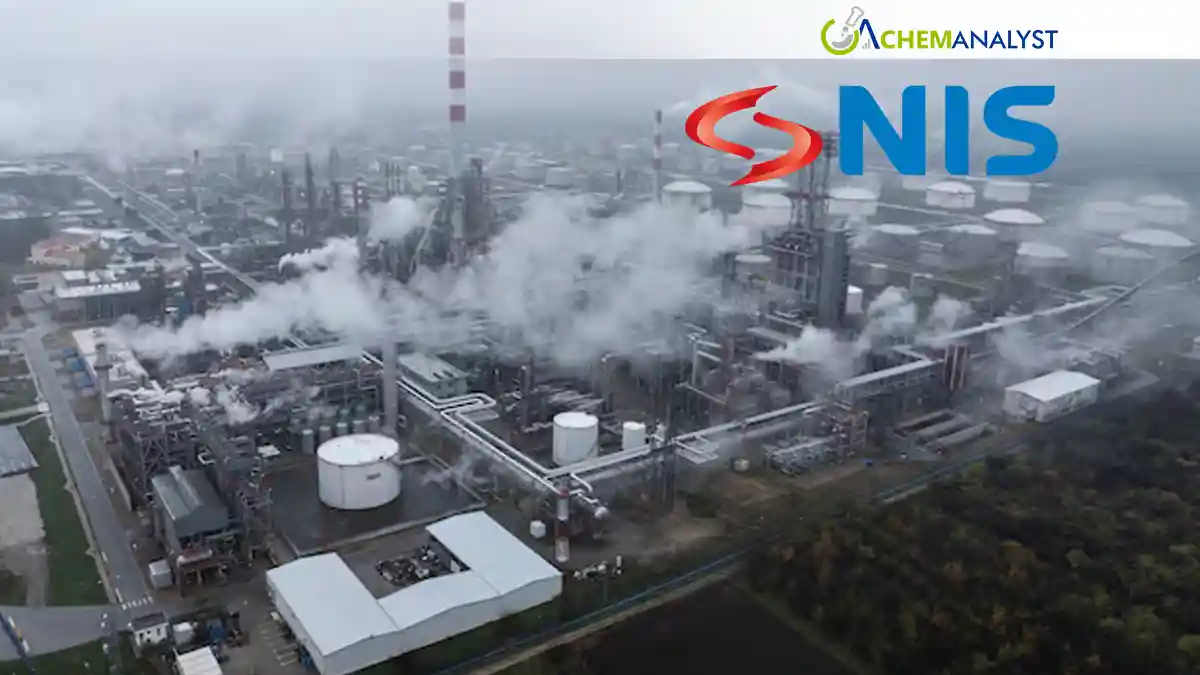
Serbia has announced plans to make part of its only oil refinery, operated by NIS, available to other domestic fuel companies in an effort to safeguard fuel supplies during August. The decision comes as the country faces higher seasonal fuel demand and severe logistical challenges caused by historically low water levels in the Danube River.
Energy Minister Dubravka Djedovic Handanovic said the government reached the decision after consultations with representatives of NIS and the Association of Oil Companies of Serbia. The discussions focused on ensuring uninterrupted fuel availability despite transportation constraints that have affected imports throughout the region.
The Danube River serves as a critical transport corridor for petroleum products across Central and Southeastern Europe. However, prolonged dry weather has significantly reduced water levels in Hungary, Serbia, and Romania, making navigation difficult for barges and tankers. As a result, vessels have been forced to operate at only 30% to 40% of their normal cargo capacity.
These transportation limitations sharply reduced Serbia's fuel imports in July, with import volumes falling to just 25% of the country's planned monthly target. The decline has increased pressure on domestic fuel supplies ahead of the peak summer demand period.
To prevent shortages, Serbia will temporarily allow other local oil companies to utilize part of the NIS refinery's infrastructure. The measure is expected to improve fuel distribution within the country while reducing reliance on constrained river imports. Authorities emphasized that strategic state oil reserves will remain untouched and will only be used in the event of a severe emergency.
The impact of the low Danube water levels extends beyond fuel logistics. The country's energy sector has also experienced operational challenges at the coal-fired Kostolac power plants. Reduced water availability has disrupted cooling systems at the facilities, limiting electricity generation and adding further strain to Serbia's energy infrastructure.
The government's coordinated response reflects growing concerns over the vulnerability of inland waterway transport during periods of extreme weather. By improving refinery access and prioritizing domestic production, Serbian authorities aim to maintain fuel market stability throughout August while conserving emergency reserves.
The situation also highlights the broader risks that climate-related disruptions pose to energy supply chains across Europe, particularly for countries that rely heavily on river transport for petroleum products and industrial feedstocks.
Impact on Products and Chemanalyst Chemical Commodity Prices
The move is expected to improve the domestic availability of gasoline, diesel, and other refined petroleum products by maximizing utilization of Serbia's NIS refinery despite logistical disruptions. Although the decision supports local fuel supply, transportation constraints on the Danube may continue to delay imports of crude oil and refined products. For chemical commodities tracked by ChemAnalyst, the immediate price impact is likely to remain limited. However, if low river levels persist, freight costs could rise and tighten regional supplies of petrochemical feedstocks such as naphtha, benzene, toluene, mixed xylenes, and propylene, creating moderate upward pricing pressure across Southeastern Europe.







Leave a Comment
Comments (0)