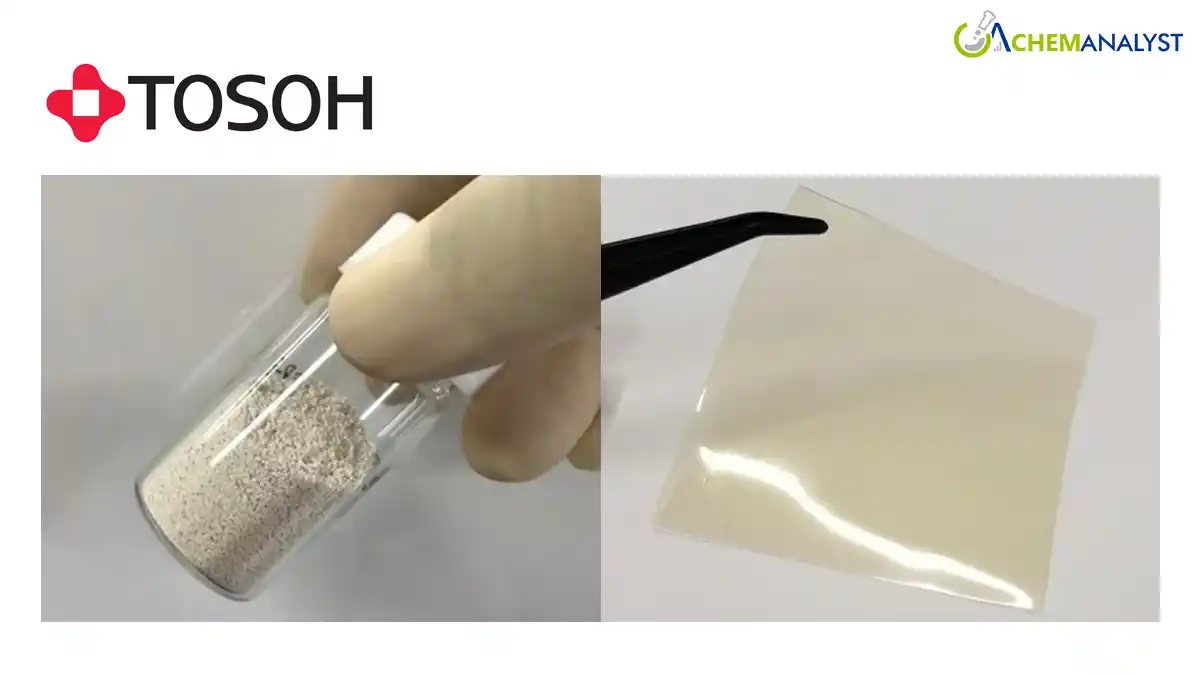
Tosoh Corporation has announced the development of an innovative hydrocarbon-based polymer electrolyte designed specifically for polymer electrolyte membrane (PEM) water electrolysis systems, marking a significant advancement in hydrogen production technologies. As global efforts intensify to achieve carbon neutrality, hydrogen energy is gaining prominence as a clean and versatile energy carrier. Within this context, PEM water electrolysis has emerged as one of the most promising technologies for producing green hydrogen due to its high efficiency, operational flexibility, and ability to respond rapidly to fluctuating renewable power sources.
Despite its advantages, conventional PEM water electrolysis systems rely heavily on fluorinated polymer electrolyte membranes, which present several technical and environmental challenges. Fluorinated materials raise concerns related to fluorine’s environmental persistence and potential ecological impact. In addition, these membranes typically exhibit relatively low gas barrier properties, allowing hydrogen and oxygen crossover. Such gas permeability can reduce hydrogen production efficiency, compromise system durability, and shorten the operational lifespan of electrolysis units. Addressing these limitations has become a key priority for material developers and system manufacturers alike.
In response to these challenges, Tosoh has successfully engineered a hydrocarbon-based polymer electrolyte that overcomes many of the drawbacks associated with fluorinated alternatives. According to the company, the newly developed material demonstrates excellent proton conductivity, a critical parameter for efficient electrolysis performance. High proton conductivity ensures that hydrogen ions can move rapidly through the membrane, enabling stable and efficient hydrogen generation even under demanding operating conditions.
Beyond conductivity, Tosoh’s hydrocarbon-based electrolyte offers significantly enhanced gas barrier properties. Improved resistance to gas crossover directly contributes to higher hydrogen purity, improved energy efficiency, and greater system safety. Another key advantage is the material’s lower swelling in the hydrated state, which helps maintain membrane dimensional stability during operation. Reduced swelling minimizes mechanical stress within the membrane, thereby improving long-term durability and reducing the risk of degradation over extended usage.
A notable feature of Tosoh’s innovation lies in its proprietary molecular design. The company has developed a molecular structure that can be flexibly modified, allowing the polymer electrolyte to be tailored to meet specific customer or system requirements. This adaptability opens the door for customized membrane solutions optimized for different operating pressures, temperatures, and performance targets, making the material suitable for a wide range of PEM electrolysis applications.
Tosoh expects that incorporating this hydrocarbon-based polymer electrolyte into electrolyte membrane fabrication will lead to substantial improvements in both efficiency and durability of PEM water electrolysis systems. These enhancements are expected to lower operational costs and improve reliability, accelerating the commercial viability of green hydrogen production.
At present, Tosoh has begun supplying samples of the new polymer electrolyte to selected users, enabling performance evaluations and system-level testing. In parallel, the company is advancing further research and development to refine the material’s properties and ensure readiness for commercialization. Tosoh aims to bring the product to market as early as possible, aligning with the rapidly growing demand for sustainable hydrogen technologies.
Through this development, Tosoh reinforces its commitment to advancing PEM water electrolysis and supporting the broader transition toward a carbon-neutral society, positioning advanced materials as a cornerstone of future clean energy systems.







Leave a Comment
Comments (0)