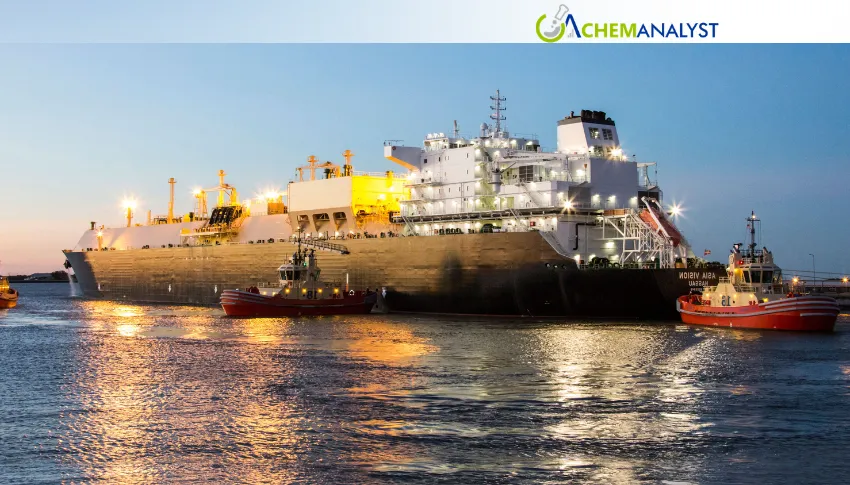
The ongoing geopolitical instability in the Middle East, particularly the Houthi attacks on commercial shipping in the Red Sea and Gulf of Aden, has significantly disrupted global maritime trade routes. This turmoil has created a lucrative environment for some liquefied natural gas (LNG) exporters, with US-based Cheniere Energy reportedly benefiting from increased shipping fees and altered market dynamics.
Since November 2023, Yemen's Houthi rebels have targeted commercial vessels in the Red Sea, forcing many shipping companies to avoid the Suez Canal, a critical global trade artery. Instead, vessels are rerouting around Africa's Cape of Good Hope, adding considerable time and cost to voyages. This disruption impacts approximately 12% of global shipping traffic and 8% of global LNG trade, primarily affecting routes between Asia and Europe.
The decision to bypass the Red Sea and Suez Canal extends transit times by an estimated 10-14 days for routes from Asia to Europe. This longer journey increases fuel consumption and operational costs for carriers. For instance, a round trip from Qatar to Europe via the Cape of Good Hope can add about 22 days and an extra $1 million in fuel costs. Insurance premiums for Red Sea transits have also surged, further driving up overall shipping expenses. These factors collectively reduce available shipping capacity because more vessels are tied up on longer routes. Consequently, LNG shipping freight rates have seen a substantial increase, reaching up to $150,000 per day in February 2024.
The altered shipping landscape has created a windfall for certain LNG exporters, particularly those with flexible shipping portfolios. Cheniere Energy, a major US LNG exporter, benefits from this situation. While many of its vessels operate on long-term charters, insulating it from spot market volatility, Cheniere also utilizes shorter-term charters or spot market vessels. These uncommitted vessels can now command significantly higher fees due to the tight shipping market.
The crisis also highlights the growing strategic importance of US LNG exports. With disruptions to Qatari LNG supply due to attacks on facilities and rerouting challenges for Middle Eastern suppliers, the US is positioned as a more reliable alternative for both European and Asian markets. The US became the world's largest LNG exporter in 2023, and its exports reached record highs in March, partly driven by the Middle East conflict. This geopolitical realignment could lead to a long-term segmentation of the global LNG market, favoring Atlantic Basin suppliers like the US.
Impact on Chemical Commodity Prices
Prolonged Red Sea disruptions will likely raise landed costs for chemical commodities dependent on maritime freight, especially those routed via Suez. Higher bunker fuel consumption, insurance premiums, and freight rates will pressure prices of petrochemicals, polymers, and intermediates imported from Asia to Europe. Feedstocks tied to LNG-linked production (like methanol or ammonia) may see cost pass-through effects. Additionally, supply-chain delays could tighten availability of certain chemicals, creating short-term price volatility. Overall, ChemAnalyst-tracked commodities dependent on Asia-Europe trade lanes are expected to face upward price pressure and extended lead times as long as the Red Sea crisis persists.







 About ChemAnalyst
Leave a Comment
Comments (0)