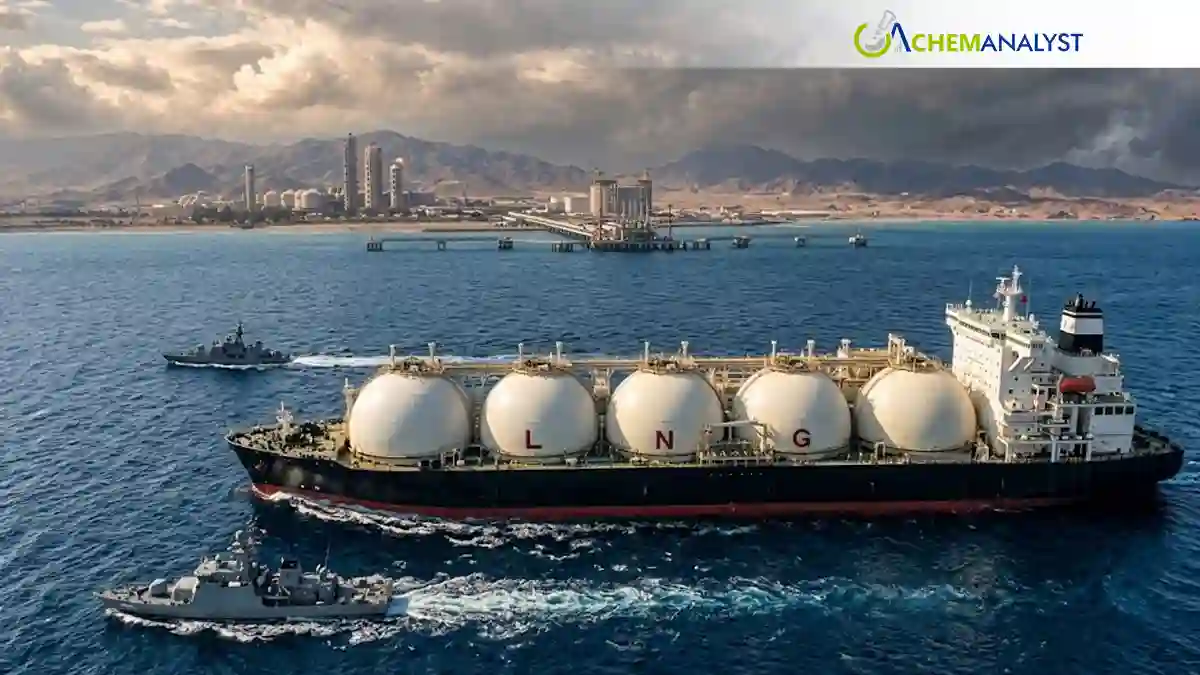
The ongoing Iran war has severely disrupted global energy markets, leading US gas buyers to cancel liquefied petroleum gas (LPG) shipments destined for Asia due to a dramatic surge in freight rates. At least two cargoes scheduled to depart next month from US Gulf Coast terminals have been canceled, with more under consideration, as the conflict in the Middle East makes traditional shipping routes unviable and unprofitable.
The primary cause of this disruption is the near-closure of the Strait of Hormuz, a critical chokepoint through which approximately one-fifth of global oil and liquefied natural gas (LNG) flows. The war, which began in late February with US and Israeli attacks on Iran, has rendered the Strait largely inaccessible for non-Iranian shipping, choking off supplies from the Persian Gulf. This geopolitical tension has been exacerbated by recent US strikes in Iran, further complicating peace negotiations and maintaining market uncertainty. Additionally, Qatar, a significant LNG supplier, temporarily halted production following Iranian attacks, intensifying global supply concerns.
The consequences are far-reaching, particularly for Asian buyers. Countries like India, which previously sourced 90% of its LPG from the Middle East, have been forced to seek alternative supplies from the US. However, inflated shipping costs have driven up prices and squeezed the margins of state refiners. The Far East Index-Mont Belvieu differential, a key metric for profitability in the US-to-East Asia gas trade, has narrowed significantly, effectively eliminating healthy returns for traders.
Economically, the conflict has spurred a global spike in oil and gas prices, with Brent crude futures climbing and US fuel prices seeing a substantial increase due to the broader market shock. The war is also causing major disruptions to maritime supply chains, taking out an estimated 6-8% of global maritime capacity and devastating crucial routes like the India-Europe supply chain, which heavily relied on transit through the Middle East.
From an industry-specific standpoint, the shipping sector is experiencing extreme volatility in freight rates. Vessels bound for Asia now face a difficult choice: either endure prolonged queues at the Panama Canal and pay exorbitant fees to bypass them, or take the much longer and more costly route around the Cape of Good Hope. Both options tie up tankers for extended periods, contributing to a severe tanker squeeze. While the disruption has negatively impacted many, US LNG companies with uncontracted capacity are poised to benefit, selling cargoes at "extraordinary war-time price levels". The broader energy market faces mounting uncertainty, with industry experts warning of escalating impacts if the conflict continues.








 About ChemAnalyst
Leave a Comment
Comments (0)