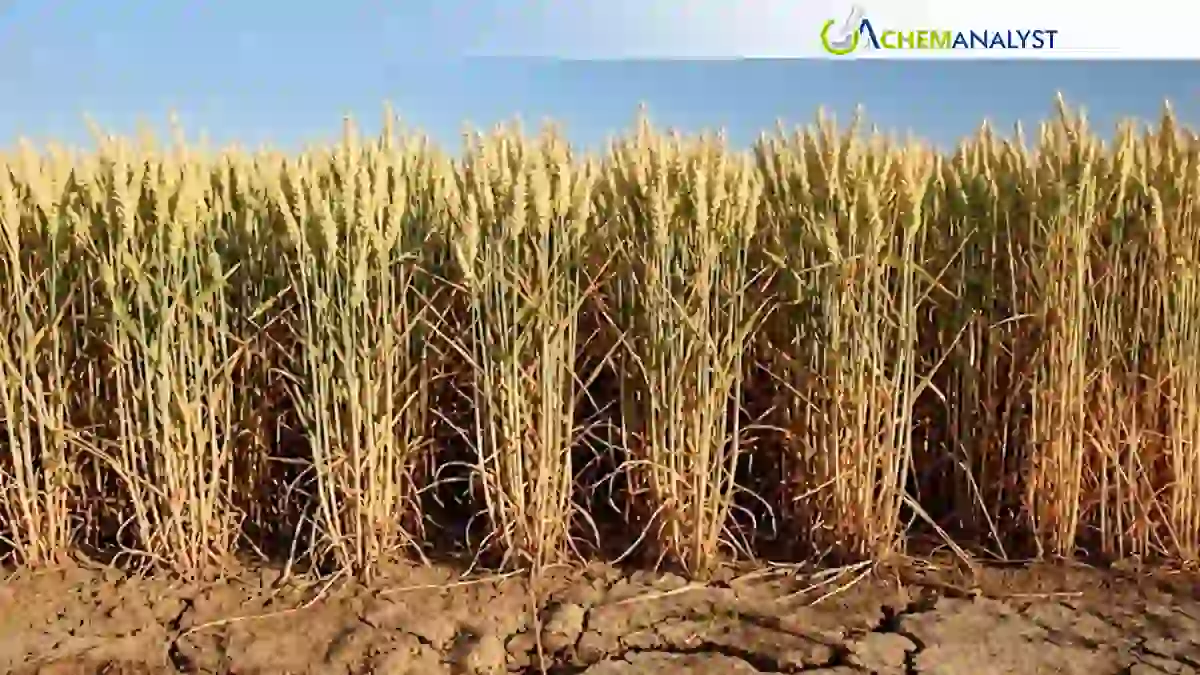
U.S. grain farmers are navigating a highly uncertain market environment as geopolitical conflicts and adverse weather conditions reshape global agricultural trade. Rising tensions involving the Russia-Ukraine war, instability in the Middle East, and worsening drought across parts of Europe are tightening grain supplies and supporting stronger commodity prices, creating favorable marketing opportunities for the 2026 crop and potentially the 2027 season.
Recent diplomatic meetings involving U.S. officials, Israeli Prime Minister Benjamin Netanyahu, and Ukrainian President Volodymyr Zelenskyy have drawn attention from commodity markets due to their potential impact on grain exports and energy prices. The continuing conflict between Russia and Ukraine has disrupted Black Sea grain shipments, while geopolitical instability in the Middle East has increased uncertainty in energy markets. Together, these developments have elevated production costs and reinforced concerns about global grain availability.
Adding to the supply concerns, prolonged drought conditions in several European Union countries have reduced crop yield expectations. Lower harvest prospects in one of the world's major grain-producing regions are expected to tighten global supplies further, supporting higher international grain prices.
Despite these bullish factors, analysts caution that seasonal grain rallies often lose momentum before August. Market specialists advise producers to evaluate current pricing opportunities rather than relying on the expectation of continued price increases. Risk-management strategies, including hedge-to-arrive contracts and other marketing tools, can help farmers secure attractive prices while retaining some flexibility should the market continue to strengthen.
Recent market activity reflects the changing supply outlook. November soybean futures recently reached contract highs, corn prices climbed to their strongest levels since early May, and Chicago wheat futures moved above the USD 7-per-bushel mark. These gains have been supported by concerns over tightening global supplies and expectations of stronger export demand.
Another factor attracting market attention is the possibility of renewed agricultural trade between the United States and China. Chinese President Xi Jinping is expected to visit the United States in September, raising expectations of additional grain purchase agreements. China has already increased soybean imports recently, while traders also suspect fresh corn purchases that could further support U.S. exports.
If logistical challenges continue to restrict grain exports from Ukraine through the Black Sea, international buyers may increasingly rely on U.S. grain supplies. Although profit margins remain below the exceptionally strong levels seen between 2021 and 2023, the current combination of geopolitical uncertainty, weather-related production risks, and export opportunities provides U.S. farmers with improved pricing prospects and greater flexibility in marketing their future harvests.
Impact on Products and Chemical Commodity Prices
Higher grain prices are likely to increase production costs for food manufacturers, livestock feed producers, ethanol plants, and grain-processing industries. Elevated corn, soybean, and wheat prices may also support stronger demand for crop protection chemicals, fertilizers, grain storage chemicals, and agricultural logistics services. For chemical commodities tracked by ChemAnalyst, sustained agricultural activity could improve demand for ammonia, urea, ammonium nitrate, phosphates, glyphosate, and other agrochemicals. Meanwhile, geopolitical tensions and higher energy costs may raise manufacturing and transportation expenses, keeping fertilizer and crop chemical prices firm. However, pricing trends will continue to depend on weather conditions, export demand, and global energy market developments.








 About ChemAnalyst
Leave a Comment
Comments (0)