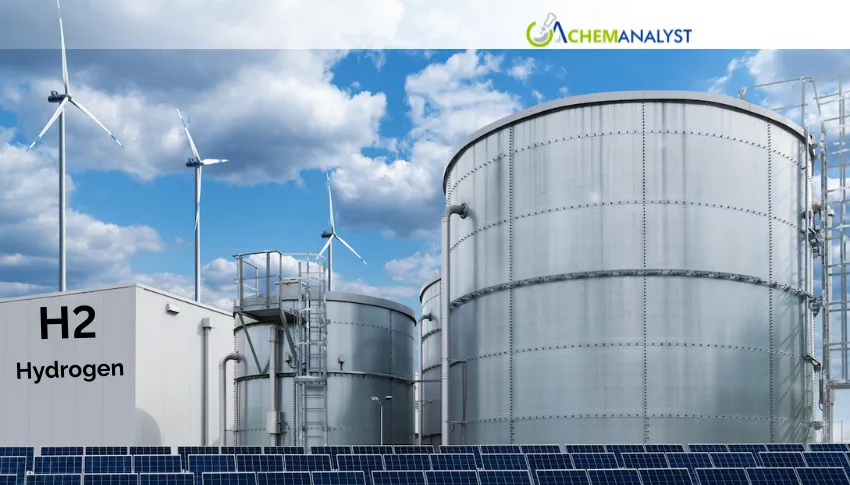
Abu Dhabi is reinforcing its position as a major player in the global hydrogen economy, according to a new report released by the Abu Dhabi Chamber of Commerce and Industry (ADCCI). The June 2026 publication, titled Abu Dhabi’s Positioning in the Hydrogen Economy, outlines how the emirate has moved beyond policy commitments and is actively developing large-scale hydrogen projects despite slower progress in several international markets caused by regulatory uncertainty.
Prepared by ADCCI’s Business Intelligence Department, the report highlights the UAE’s strong competitive advantages in producing low-carbon hydrogen. These include abundant solar energy resources, a modern electricity network, advanced industrial capabilities, and favorable financing conditions. Together, these strengths are expected to place the UAE among the world's most cost-competitive producers of hydrogen and ammonia by 2030, enabling exports to key markets such as the European Union, Japan, and South Korea.
Abu Dhabi remains central to the UAE’s hydrogen strategy, targeting annual production of 1.4 million tonnes of low-carbon hydrogen by 2031. The report notes that market interest is increasingly shifting toward hydrogen derivatives with stronger commercial prospects, including green ammonia, green methanol, synthetic fuels, and sustainable aviation fuel (SAF). These products are expected to play a significant role in accelerating the adoption of clean energy solutions across multiple industries.
Several projects are already underway to strengthen Abu Dhabi’s hydrogen value chain. These include initiatives focused on green hydrogen-based methanol and SAF production, e-methane development, synthetic fuel manufacturing, and bunkering infrastructure. According to the report, these investments could expand export opportunities, create new employment, and support the UAE’s long-term carbon reduction objectives.
The report emphasizes that securing long-term buyers remains one of the most important factors for expanding hydrogen projects worldwide. While many global low-carbon hydrogen projects still lack confirmed offtake agreements, Abu Dhabi has made notable progress through customer-backed developments. One example is the Emsteel–Masdar green steel pilot, recognized as the first hydrogen-based steel project in the Middle East and North Africa. The project is already operational and has signed agreements to supply green steel for sustainable construction initiatives.
Beyond fuel production, ADCCI sees significant opportunities in manufacturing hydrogen-related technologies and equipment. Industrial zones such as Kezad, combined with logistics facilities at Khalifa Port, provide a strong platform for producing electrolysers, hydrogen infrastructure components, and blending technologies for international markets. Partnerships involving Adnoc, John Cockerill Hydrogen, and Strata Manufacturing further demonstrate Abu Dhabi’s expanding role in the global hydrogen supply chain. Overall, the report concludes that hydrogen development will strengthen economic diversification, industrial growth, and the UAE’s clean energy ambitions.
Impact on Chemical Commodity Prices Tracked by ChemAnalyst
Abu Dhabi’s hydrogen expansion is expected to have a gradual impact on chemical markets rather than causing immediate price changes. Rising investments in green ammonia and green methanol could support long-term demand for renewable feedstocks while increasing production capacity. Over time, higher availability of low-carbon ammonia and methanol may create competitive pricing in export markets, particularly in Europe and Asia. Demand for electrolyzers, industrial gases, catalysts, and specialty materials could also increase. Conventional ammonia and methanol prices are unlikely to experience short-term disruptions, but the transition toward low-carbon alternatives may influence future pricing trends as commercial production and international trade continue to expand.







Leave a Comment
Comments (0)