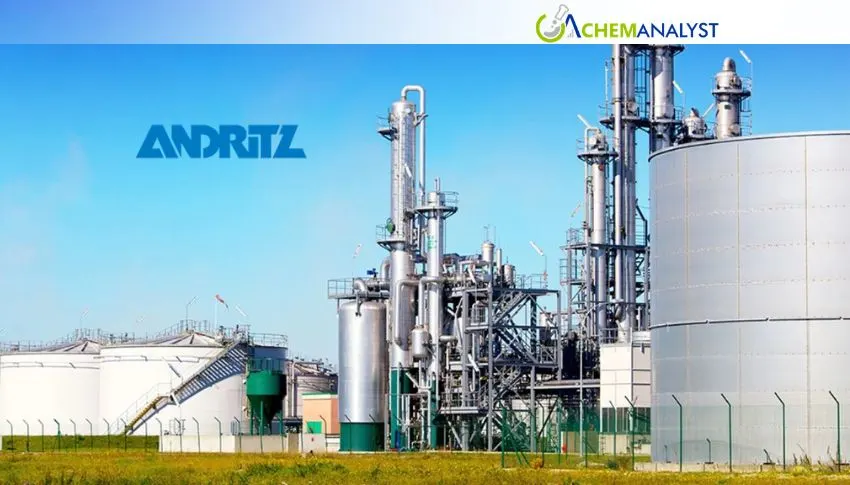
ANDRITZ AG and RAG Austria AG have officially initiated the construction of what will become Austria’s largest green hydrogen production facility, marking a significant milestone in the country's clean energy transition. The groundbreaking ceremony signals the beginning of a project designed to improve renewable energy utilization, enhance long-term energy storage, and provide a dependable domestic supply of green hydrogen for industrial applications.
The upcoming plant will have an installed electrolyzer capacity of 12.5 MW and is scheduled to begin commercial operations by the end of 2026. Once operational, the facility is expected to produce approximately 17 million cubic meters of green hydrogen annually, equivalent to more than 1,500 metric tons. The hydrogen will be generated primarily using electricity derived from solar energy, reinforcing Austria’s efforts to expand renewable energy integration while reducing reliance on fossil fuels.
One of the project's most important objectives is to solve a key challenge associated with renewable energy generation—seasonal energy storage. During the summer months, renewable electricity production from solar installations often exceeds demand. Instead of allowing this surplus energy to go unused, the new facility will convert excess electricity into green hydrogen through electrolysis. The hydrogen can then be stored and later utilized during winter when electricity and heating demand increases but renewable generation declines. This approach enables efficient long-term energy storage while improving grid stability and supporting year-round renewable energy availability.
ANDRITZ will execute the project under a full Engineering, Procurement, and Construction (EPC) contract, assuming complete responsibility for engineering, equipment supply, installation, commissioning, and project delivery. The company’s scope also includes advanced hydrogen purification and compression systems, ensuring that the produced hydrogen meets industrial-grade quality standards suitable for various end-use sectors.
The project aligns with Europe's broader ambition to establish domestic green hydrogen production capabilities and reduce dependence on imported energy. According to Markus Mitteregger, Chief Executive Officer of RAG Austria, Europe must rapidly accelerate indigenous hydrogen production to meet the growing demand from industrial manufacturing, heating, and electricity generation. He emphasized that nearly half of Europe’s future hydrogen requirements are expected to be produced within the continent, making immediate investment in hydrogen infrastructure essential.
For ANDRITZ, the project further strengthens its growing presence in the green hydrogen market and reinforces its position as a leading EPC contractor for renewable hydrogen infrastructure. The successful delivery of Austria’s largest green hydrogen facility will demonstrate the company’s expertise in deploying integrated hydrogen production systems while supporting the global transition toward cleaner energy solutions.
Overall, the project represents an important step toward improving Austria’s energy resilience, maximizing renewable energy utilization, lowering carbon emissions, and supporting industrial decarbonization. As Europe continues expanding its hydrogen economy, investments of this scale are expected to play a critical role in building a more secure, sustainable, and low-carbon energy system.
Impact on Products and Chemical Commodity Prices
The construction of Austria’s largest green hydrogen plant is expected to strengthen the regional green hydrogen value chain and support demand for electrolyzers, hydrogen storage, purification, and compression technologies. While commercial operations will begin only by the end of 2026, the project is likely to encourage further investments in renewable energy and industrial decarbonization across Europe. For chemical commodities tracked by ChemAnalyst, the immediate price impact will remain minimal. However, in the long term, increased green hydrogen availability could improve the competitiveness of green ammonia and green methanol production, while gradually reducing reliance on fossil-based hydrogen feedstocks and supporting sustainable chemical manufacturing.








 About ChemAnalyst
Leave a Comment
Comments (0)