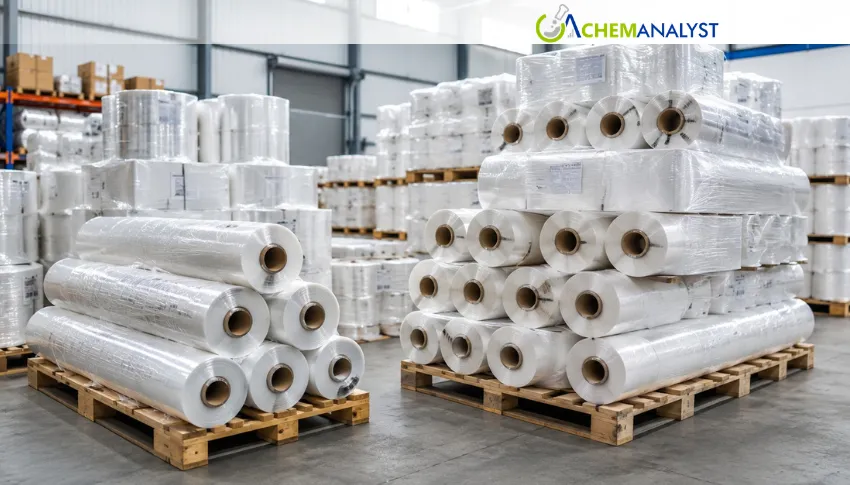
The European flexible packaging industry experienced a significant surge in raw material prices during the second quarter of 2026. This escalation has severely impacted manufacturers across the continent, leading to increased production costs and concerns for the broader supply chain. Key materials like polyethylene (PE) and polypropylene (PP), crucial for flexible packaging, saw substantial price hikes. BOPP film prices nearly doubled, increasing by 97%, while PET film rose by 40%. High-density polyethylene (HDPE) increased by 38%, and low-density polyethylene (LDPE) by 31%. Aluminium foil also became approximately 12% more expensive.
Several interconnected factors fueled this sharp increase in raw material costs. Geopolitical tensions, particularly the Iran crisis and disruptions in the Red Sea and Strait of Hormuz, played a critical role. These conflicts disrupted the supply of crude oil and natural gas, which are essential feedstocks for plastic polymer production. This directly led to supply chain bottlenecks and increased freight costs for materials entering Europe.
Rising energy prices further exacerbated the situation. Geopolitical instability pushed up energy costs, directly impacting the energy-intensive processes required to produce plastic polymers. Additionally, global supply chain disruptions, including port congestion and labor shortages, compounded existing problems of low European resin inventories. This created a "panic buying" environment where securing material availability took precedence over cost negotiations. A growing demand for flexible packaging, especially from the food and beverage sectors, also outpaced available supply, partly due to the expansion of e-commerce.
The surge in raw material prices led to significant economic and industry-specific consequences. Flexible packaging manufacturers faced substantially higher production costs, which in turn compressed their profit margins. These increased costs are likely to be passed on to brand owners and, eventually, to consumers, potentially driving up food inflation. The Food and Drink Federation (FDF) has already revised its late-2026 food inflation forecasts to 9% or higher to account for these rising inputs.
The industry is also grappling with the dual challenge of cost pressures and stringent environmental regulations. The European Union's Packaging and Packaging Waste Regulation (PPWR), effective from August 2026, mandates increased recycled content and enhanced recyclability for packaging. However, the high cost of sustainable materials and the need for significant investment in new recycling infrastructure add to the financial burden on manufacturers. This creates a complex dilemma as companies strive to meet sustainability goals amidst escalating operational expenses. Some businesses are exploring a shift to paper-based packaging for certain dry goods to mitigate plastic price volatility and align with environmental requirements.
Despite the current challenges, there is a cautious outlook for potential market stabilization in the latter half of 2026. This depends on an easing of geopolitical tensions and the resolution of ongoing supply chain bottlenecks. However, industry experts anticipate that prices will likely remain elevated compared to pre-crisis levels for the foreseeable future.
In response, the flexible packaging industry must focus on strategic adaptation. This includes improving operational efficiency, diversifying raw material supply sources, and continuing to invest in sustainable packaging solutions. Manufacturers must navigate a complex landscape shaped by persistent cost pressures, evolving regulatory demands, and changing consumer expectations for environmentally friendly products.
Impact on Product and Chemical Commodity Prices
The sharp escalation in raw material costs is expected to significantly increase the prices of flexible packaging products across Europe, particularly food packaging, consumer goods packaging, pharmaceutical packaging, and industrial films. Brand owners are likely to pass these higher packaging costs through the value chain, resulting in elevated prices for packaged consumer products and sustained food inflation. Demand for alternative materials such as paper-based packaging and recycled plastics is also expected to strengthen as companies seek cost-effective and regulation-compliant solutions.
For chemical commodities tracked by ChemAnalyst, the development is expected to remain bullish. Prices of Polyethylene (HDPE, LDPE, LLDPE), Polypropylene (PP), PET resin, BOPP films, and Aluminium are likely to stay elevated due to constrained feedstock availability, higher crude oil and natural gas costs, and tight regional inventories. Freight disruptions and rising energy expenses will continue supporting higher production costs, while stricter EU sustainability regulations may further increase demand and premiums for recycled polymers, maintaining upward pressure on virgin and recycled resin prices through the remainder of 2026.







 About ChemAnalyst
Leave a Comment
Comments (0)