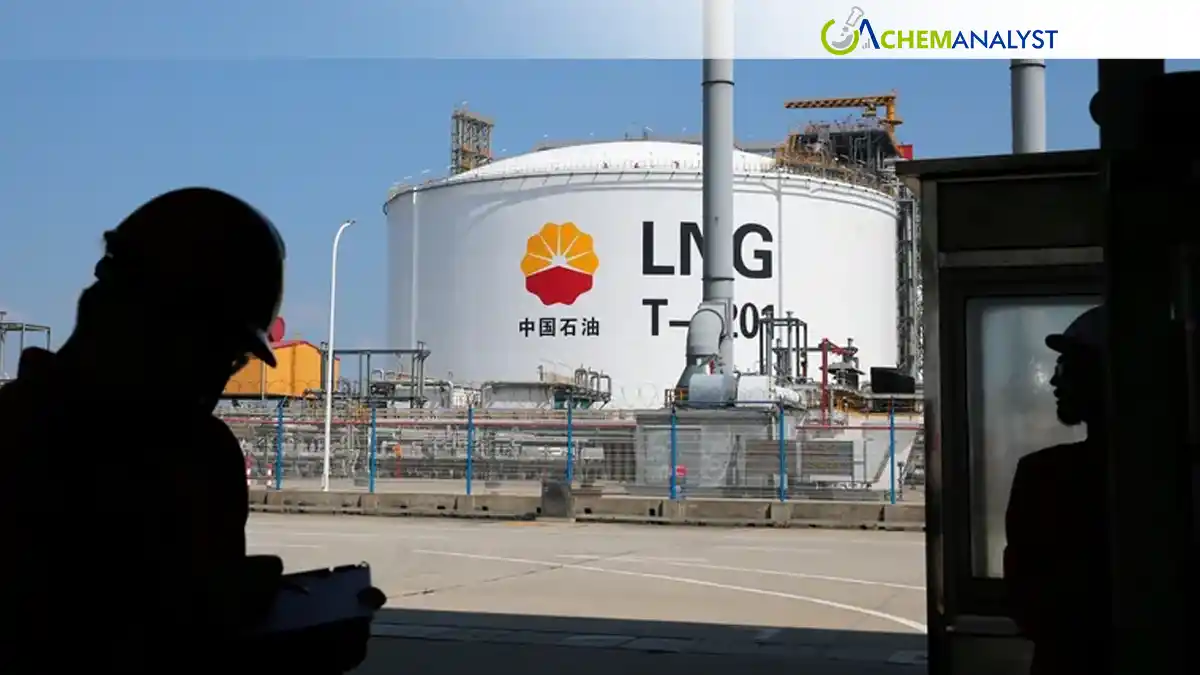
The disruption to maritime trade caused by the closure of the Strait of Hormuz has significantly reduced exports from Gulf nations, with liquefied natural gas (LNG) experiencing the most severe decline, according to the latest report from the International Trade Centre (ITC). The report highlighted that total exports from Gulf economies dropped by more than half in April 2026 compared to the same month a year earlier, underscoring the strategic importance of the waterway for global energy and chemical trade.
Among the products analyzed, LNG recorded the largest decline, with export volumes falling by 95% year-on-year. Fertilizer and petrochemical products also registered substantial losses. Urea exports fell by 83%, methanol shipments declined by 80%, and ammonia exports dropped by 75%. These sharp reductions reflected the widespread disruption to Gulf supply chains following regional geopolitical tensions.
The report attributed much of the LNG disruption to Iranian missile strikes carried out in March on Qatar's Ras Laffan LNG complex. The attack prompted QatarEnergy to declare force majeure, suspending contractual obligations due to circumstances beyond its control. Qatar has stated that repairs to the damaged infrastructure could require as long as five years, leaving approximately 17% of the country's LNG production capacity unavailable during the recovery period.
While energy commodities experienced the largest losses, some downstream petrochemical products proved comparatively resilient. Exports of propylene polymers, one of the world's most widely consumed plastics, declined by only 25%, making them the least affected among the 12 major commodities assessed in the ITC study.
Overall export volumes across the selected products contracted by 54%. Crude oil recorded the largest absolute decline, with shipments falling by 28 million tonnes. Refined petroleum products decreased by 7.3 million tonnes, while LNG exports declined by 5.5 million tonnes.
The report also identified Japan as the country most exposed to the Strait of Hormuz disruption. Japanese imports from Gulf suppliers declined by 64% between April 2025 and April 2026. Other major Asian importers also experienced notable reductions, with imports into Singapore falling by 29%, South Korea by 23%, and Malaysia by 41%.
The ITC warned that the effects of the disruption are likely to continue even after shipping routes reopen. As inventories and strategic reserves gradually decline, delayed cargoes, elevated freight rates, and higher insurance costs are expected to continue affecting global supply chains. Once regular vessel movement resumes, shipping schedules will need to be rebuilt, port congestion addressed, inventories replenished, and maritime insurance premiums reassessed before normal trade conditions fully return.
Supporting this outlook, the International Monetary Fund expects the Strait of Hormuz to reopen by mid-July, although trade volumes may not return to pre-conflict levels until March 2027. Meanwhile, the International Energy Agency reported that global oil inventories increased by 21 million barrels in June after falling by 73 million barrels in May, reflecting ongoing adjustments in global energy markets.
Impact on Products and Chemanalyst Chemical Prices
The prolonged disruption in the Strait of Hormuz is expected to tighten global supplies of LNG, urea, methanol, ammonia, crude oil, and refined petroleum products, creating sustained pressure on international markets. Reduced exports from major Gulf producers and higher freight and insurance costs are likely to increase production costs for downstream chemical manufacturers. For commodities tracked by ChemAnalyst, prices of methanol, ammonia, urea, LNG-linked feedstocks, and several petrochemicals are expected to remain firm or trend upward in the near term due to supply constraints and elevated logistics expenses. Price volatility is likely to persist until Gulf export infrastructure and shipping operations fully normalize.







Leave a Comment
Comments (0)