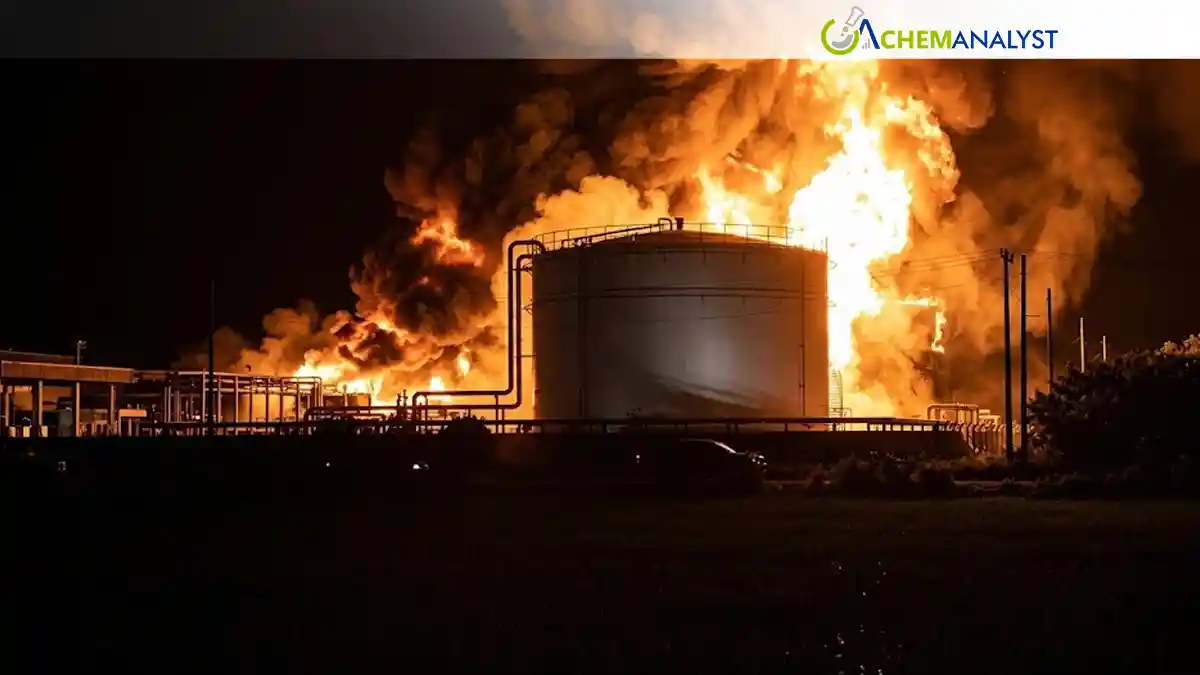
Houthi drone strikes on Saudi energy infrastructure heighten regional risks, threaten Red Sea trade routes and could support higher energy prices.
Yemen’s Iran-aligned Houthi movement said it attacked Saudi Aramco’s Jazan refinery with a drone, escalating tensions in the region just two days after Saudi Arabia signed a defense agreement with Turkey and Pakistan.
The attack comes as regional security concerns intensify following the U.S.-Israeli war on Iran and ongoing disruptions around critical energy and shipping routes. The defense pact with Turkey and Pakistan is designed to strengthen collective deterrence. Under the agreement, an armed attack against any of the three countries would be treated as an attack against all three. It remains unclear whether either Turkey or Pakistan would participate in a Saudi military response to the latest Houthi strike.
Saudi Arabia’s Energy Ministry confirmed that a fire broke out at the refinery but said it was extinguished and that no injuries were reported. Authorities were investigating the incident. The ministry did not attribute the fire to an attack.
Houthi military spokesperson Yahya Saree claimed the group used a drone to target the Jazan facility. The Houthis have previously attacked Saudi energy infrastructure, including facilities in Jazan and Yanbu. The Jazan refinery has a crude-processing capacity of about 400,000 barrels per day and is located in southwestern Saudi Arabia.
The Houthis also said they carried out missile and drone attacks against the Yemeni Red Sea port city of Mocha. The port is controlled by Yemen’s internationally recognized government and lies near the Bab el-Mandeb Strait, a strategically important maritime chokepoint connecting the Red Sea with the Gulf of Aden and the Indian Ocean.
Any prolonged disruption around Bab el-Mandeb could create additional pressure on energy shipments and global trade. The route is particularly important for vessels moving between Europe, Asia and Middle Eastern energy-producing regions.
According to the Houthi spokesperson, the Mocha attack targeted Saudi troops and weapons storage facilities. Yemen’s military spokesperson said seven people were killed, while the Yemeni Transportation Ministry reported severe damage to port infrastructure.
The ministry described the strike as another attack on a vital civilian facility supporting commercial and maritime activity in the Red Sea.
The latest developments come amid broader disruptions to Gulf energy shipments. Houthi attacks and tensions surrounding the Strait of Hormuz have already increased concerns over the reliability of regional supply routes. With diplomatic efforts to ease U.S.-Iran tensions continuing, uncertainty around both Hormuz and the Red Sea remains a major risk for global energy markets.
Impact on Products and Chemical Commodity Prices
The attack increases operational and logistical risks for Saudi energy infrastructure, although the immediate impact on Jazan refinery output appears limited because the reported fire was extinguished without injuries. However, any prolonged disruption could tighten regional availability of refined products and raise freight, insurance and energy costs. Chemical commodities tracked by ChemAnalyst, particularly petrochemical feedstocks and derivatives linked to crude oil, naphtha, LPG and natural gas, could face upward price pressure if supply routes are disrupted. Polyolefins, aromatics, solvents and other refinery-linked chemicals may also become more expensive because of higher feedstock and transportation costs. If attacks remain contained, the price impact should remain moderate and short-lived.







Leave a Comment
Comments (0)