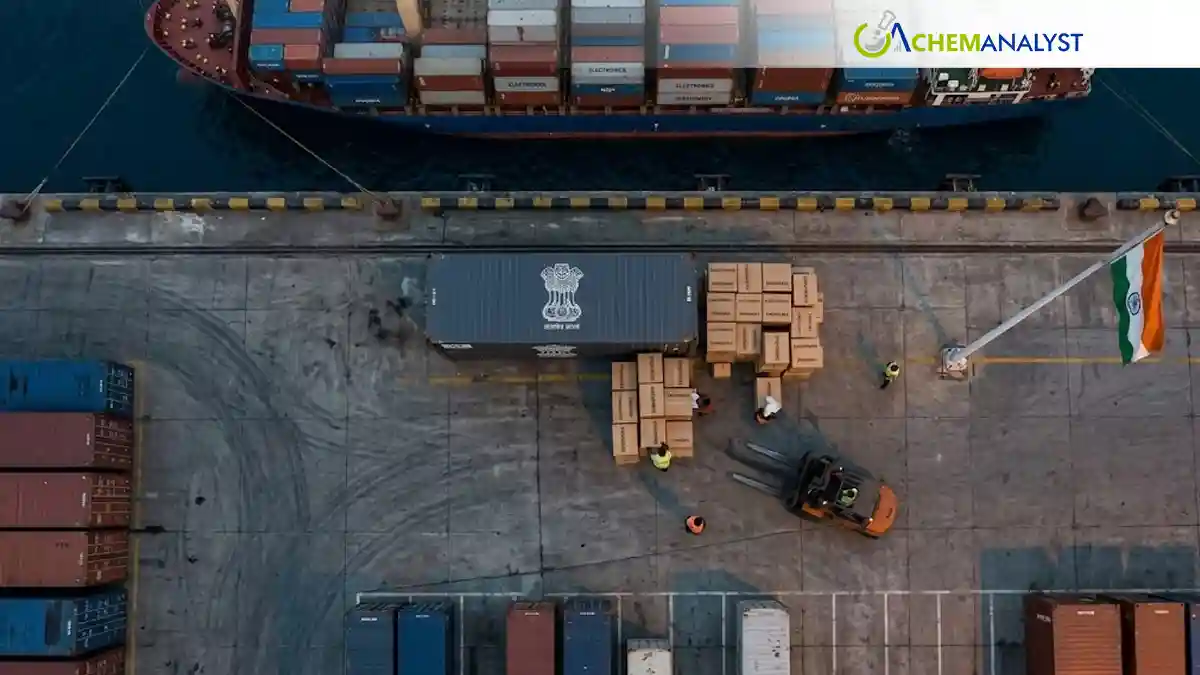
The Indian government is currently weighing the extension of a customs duty exemption on 40 critical petrochemical products beyond its initial June 30, 2026, deadline. This deliberation comes in response to persistent supply chain disruptions stemming from the ongoing conflict in West Asia, which has significantly impacted global trade and increased input costs for various domestic industries.
The initial exemption, implemented in April 2026 for a period of three months, was a "timely and pragmatic response" to safeguard supply stability and provide relief to Indian industries grappling with rising input costs. The Ministry of Finance stated that this measure aimed to ensure the continued availability of essential petrochemical inputs for the domestic industry and help moderate cost pressures. The decision to grant this temporary relief was also influenced by the government's directive to divert locally produced petrochemical components towards LPG production following U.S.-Israeli strikes on Iran.
The economic impacts of the initial duty waiver have been largely positive for the affected sectors. It directly lowered input costs for downstream industries by reducing the landed prices of imported feedstock and intermediates such as polyethylene (PE), polypropylene (PP), and polyvinyl chloride (PVC). This cost reduction has led to a moderation in polymer prices, with assessments showing significant declines in LLDPE, LDPE, and s-PVC prices compared to early April. Furthermore, the exemption helped ease inflationary trends and supported supply stability, leading to margin protection for firms, particularly those with high raw material intensity or fixed-price contracts. The initial three-month exemption, however, came at an estimated cost of Rs 1,800 crore to the exchequer.
A wide array of industries has benefited from this exemption, including textiles, packaging, pharmaceuticals, plastics, paints, toys, chemicals, and automotive components. Labor-intensive Micro, Small, and Medium Enterprises (MSMEs) in these downstream sectors, which faced rising input costs and limited pricing power, have received significant relief. The exempted products include key intermediates like methanol, anhydrous ammonia, toluene, styrene, dichloromethane, and vinyl chloride monomer.
The decision regarding the extension is closely tied to the evolving geopolitical situation in the Middle East. Ravi Teja, Deputy Director at India's commerce department, indicated that the Ministry of Commerce is monitoring the situation and a final decision will be made only after assessing the necessity based on the geopolitical landscape. Industry participants, especially plastic converters, have actively urged the government to extend the waiver, some requesting it until September 30. However, the uncertainty surrounding the extension has already led to a slowdown in purchases by Indian PE importers, who are awaiting further guidance from the government. Should the waiver be extended, experts anticipate a similar decline in prices for petrochemical products, further benefiting domestic industries and consumers.
Market impact: The initial duty exemption had already created a bearish impact on petrochemical prices by increasing import availability and lowering landed costs. Products such as polyethylene (PE), polypropylene (PP), polyvinyl chloride (PVC), methanol, styrene, toluene, vinyl chloride monomer (VCM), and dichloromethane experienced downward price pressure as cheaper imports improved supply conditions.
If India extends the duty waiver beyond June 30, 2026, the market is expected to witness a continued bearish impact on imported petrochemical prices, particularly for PE, PP, and PVC, as these are widely consumed polymers with significant import dependence. Lower feedstock costs would benefit downstream sectors including plastics, packaging, textiles, paints, pharmaceuticals, and automotive components by improving margins and reducing production costs.
However, domestic petrochemical manufacturers may face margin pressure due to increased competition from lower-cost imports, especially producers of polymers and chemical intermediates. The extension would likely support MSMEs and consumer industries but could limit price recovery for domestic PE, PP, PVC, and other exempted petrochemical producers. Overall, the decision is more favorable for downstream industries and bearish for domestic petrochemical prices and producer margins.






Leave a Comment
Comments (0)