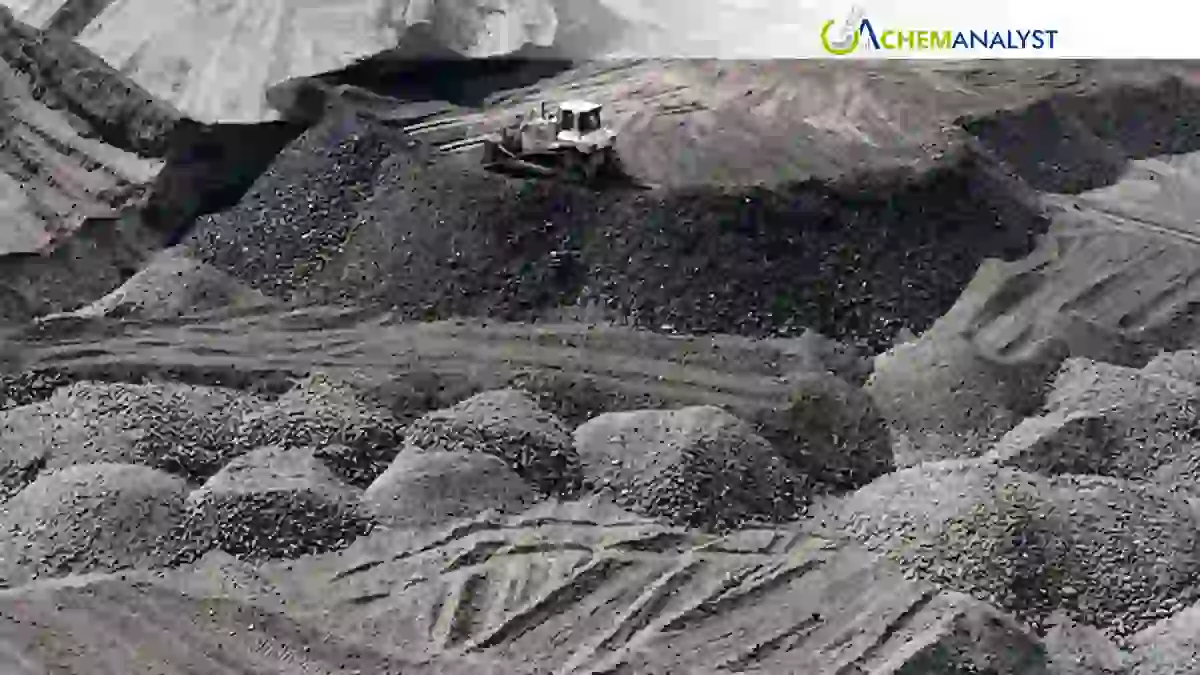
Indonesia is redirecting its coal downstream strategy toward methanol production after several coal-to-dimethyl ether (DME) gasification projects failed to progress. The latest development comes with Bumi Etam Chemical (BEC), a joint venture between Arutmin Indonesia and Kaltim Prima Coal (KPC), launching the basic engineering phase of a large-scale coal-to-methanol facility. The Indonesian government has designated the project as a National Strategic Project, enabling faster regulatory approvals and smoother implementation while aiming to establish a commercially viable coal conversion business.
The policy shift follows the disappointing outcome of Indonesia’s flagship coal-to-DME project in Tanjung Enim, South Sumatra. Valued at approximately USD 2 billion, the venture involved state-owned coal producer Bukit Asam, energy company Pertamina, and U.S.-based Air Products. The project was intended to convert low-grade domestic coal into DME, reducing Indonesia’s dependence on imported liquefied petroleum gas (LPG). However, the initiative suffered a major setback in 2023 when Air Products withdrew from its Indonesian coal gasification investments to focus on hydrogen and ammonia projects in other markets.
Despite this setback, Indonesian authorities remain committed to expanding coal downstream industries. Rizwan Aryadi Ramdhan, Director of Mineral and Coal Downstreaming at the Ministry of Investment and Downstreaming (BKPM), stated that coal offers multiple value-added opportunities beyond DME. He explained that methanol production represents an important step in demonstrating the commercial potential of coal gasification. Methanol can serve as a feedstock for numerous industrial products, including DME, ammonia, syngas, and coke, broadening the country's downstream industrial base.
The government is also working to revive the stalled Tanjung Enim DME project through discussions with Danantara, Indonesia’s national investment management agency. Several domestic and international investors have reportedly shown interest in participating, although negotiations remain at an early stage.
Industry specialists, however, believe that financial challenges continue to outweigh technological concerns. Rizal Kasli, Chairman of the Advisory Board of the Association of Indonesian Mining Professionals (Perhapi), noted that DME production requires an additional conversion stage after methanol synthesis. This extra processing significantly increases capital investment, energy consumption, and operating expenses. As a result, producing DME remains less attractive than selling methanol directly, particularly because imported LPG continues to benefit from government subsidies.
Indonesia’s renewed emphasis on methanol reflects a more commercially practical approach to coal downstreaming. By focusing on products with stronger market economics, the country aims to unlock greater value from its abundant coal reserves while attracting fresh investment into its industrial sector.
Impact on Product
The shift toward coal-to-methanol production is expected to strengthen Indonesia's domestic methanol supply and reduce reliance on imported methanol over the long term. Increased investment in methanol infrastructure could encourage downstream chemical manufacturing, including formaldehyde, acetic acid, biodiesel, and olefins. While DME development may continue at a slower pace, prioritizing methanol improves project bankability and investor confidence. If production capacity expands as planned, Indonesia could emerge as a more significant regional methanol supplier, supporting industrial growth and enhancing the country's coal value chain through higher-value chemical production.






Leave a Comment
Comments (0)