Jordan's Council of Ministers has formally approved a landmark $1 billion green ammonia and hydrogen project, marking a significant step in the country's energy transition and economic diversification. The facility, located in the port city of Aqaba, is a joint venture between the Japan-linked Hynfra Group and the regional industrial firm Fidelity Group, operating under the entity Jordan Green Ammonia (JGA). Financial closure for the project is targeted for September 2027, with commercial operations expected to commence by November 2030.
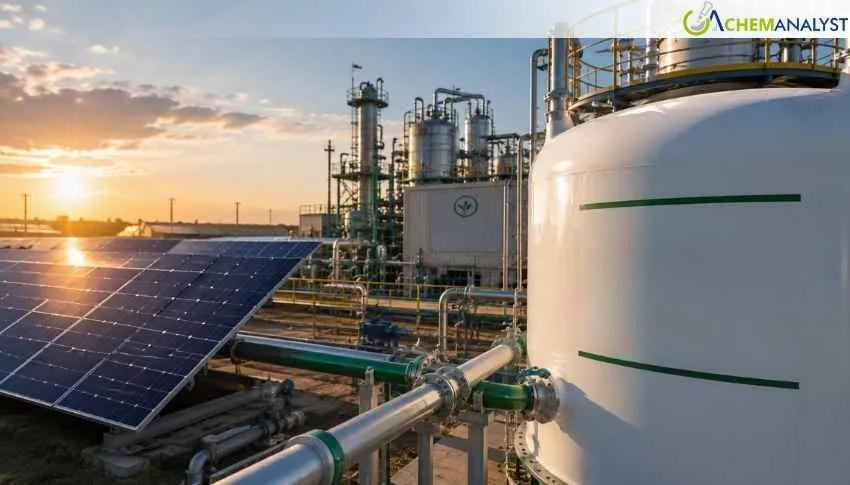
A primary driver for this initiative is Jordan's long-standing reliance on energy imports, with the project aiming to transform the nation into a producer and exporter of clean energy products. The facility is designed to be entirely self-sufficient, powered by approximately 550 MW of dedicated solar capacity and supported by a 500 MWh energy storage system, operating independently of the national electricity grid. Green hydrogen will be produced on-site through water electrolysis and then converted into green ammonia, with an annual production capacity projected at around 100,000 tonnes, primarily for international markets.
The project is poised to deliver substantial economic impacts. The $1 billion investment is expected to generate employment opportunities, foster local economic development, and facilitate technology transfer within Jordan. By transitioning from an energy importer to a low-carbon industrial exporter, Jordan aims to attract further clean industrial investments and build new value chains, particularly in sectors like agriculture and maritime transport. The strategic location in Aqaba, Jordan's only port, is intended to solidify its role as a regional hub for green industry and clean energy, leveraging existing infrastructure for efficient exports.
Geopolitically, this project positions Jordan as an emerging player in the global green hydrogen and ammonia sector, enhancing its energy security and autonomy. The global demand for green ammonia, used in fertilizers, energy storage, and as a maritime fuel, is growing, and Jordan's entry into this market could reduce reliance on traditional, fossil fuel-dependent ammonia production from other regions, potentially influencing global fertilizer supply chain dynamics.
From an industry-specific perspective, the project demonstrates a significant shift towards sustainable chemical production. Green ammonia, produced using renewable energy, drastically reduces carbon emissions compared to conventional methods. This initiative aligns with Jordan's broader energy transition goals, including emissions reduction and expanding clean energy export capacity. Furthermore, the approval sets a crucial precedent for future clean energy investments in Jordan, indicating a supportive legislative and regulatory environment for such ventures.







Leave a Comment
Comments (0)