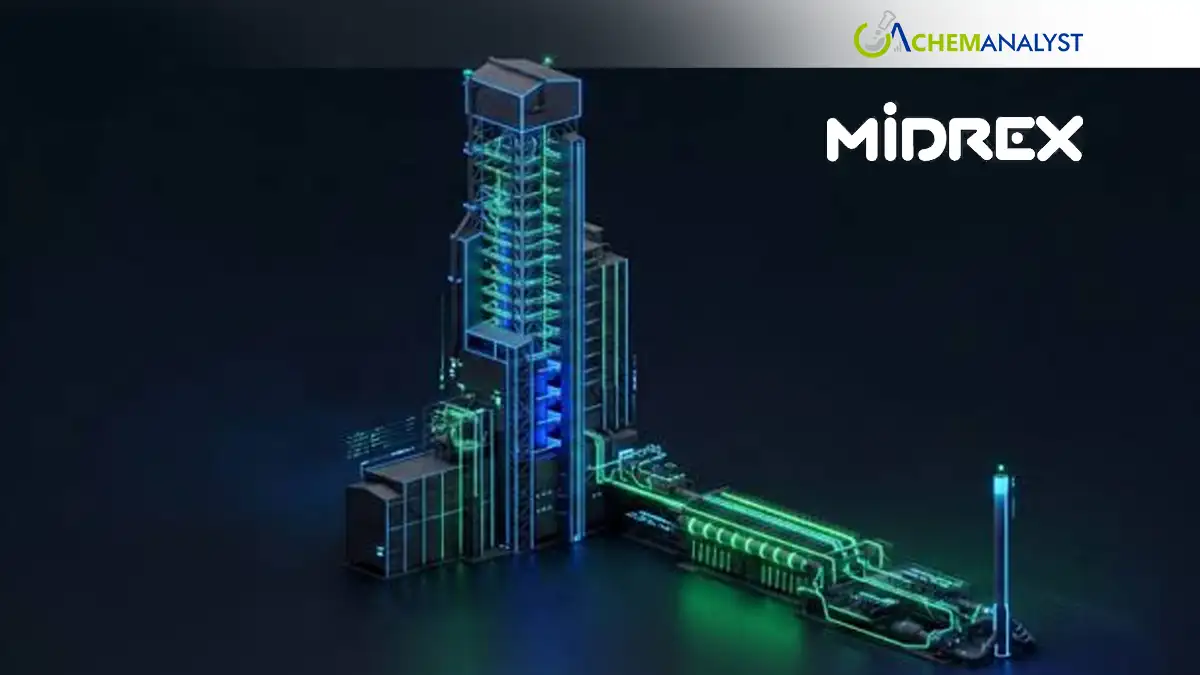
Midrex has entered into a strategic agreement with US Steel to design and supply a state-of-the-art Midrex direct reduced iron (DRI) process complex with an annual production capacity of 2.5 million tonnes. The upcoming DRI manufacturing facility will be established at US Steel’s Big River Steel Works site in Arkansas, marking a significant advancement in the modernization and decarbonization of the North American steel sector. According to the company’s official announcement, the facility is expected to begin commercial operations in 2029.
The project represents a transformative step for the US steel industry as it will create the country’s first fully integrated steel production ecosystem that combines direct reduced iron manufacturing, electric arc furnace (EAF) steelmaking, and a dedicated domestic supply chain for high-quality iron ore feedstock. This integrated “mine-to-furnace” approach will strengthen the domestic steel value chain by connecting US Steel’s extensive iron ore resources with the advanced steelmaking capabilities available at its Big River Steel Works facility.
A major component of the project’s significance lies in the selection of Midrex technology, which is recognized globally for its superior energy efficiency, operational reliability, and compatibility with the steel industry’s evolving sustainability targets. The Midrex process utilizes natural gas as a reducing agent, enabling the production of DRI with substantially lower carbon emissions compared to conventional blast furnace and basic oxygen furnace steelmaking routes. When paired with electric arc furnace technology, the process can reduce carbon dioxide emissions by as much as 50% compared with traditional integrated steel production methods.
The new DRI complex will also contribute to enhancing the resilience of the American steel supply chain. By utilizing DR-grade iron ore pellets sourced from US Steel’s Minnesota Ore Operations division, the company will establish a more self-sufficient and efficient production network. This vertical integration is expected to reduce dependence on external raw material supplies, improve logistical efficiency, and provide a consistent supply of high-quality DRI for the company’s electric arc furnace operations.
Midrex continues to maintain a dominant position in the global DRI technology market. The company’s technologies currently account for nearly 80% of worldwide DRI production in shaft furnaces and approximately 90% of global hot briquetted iron (HBI) production. The Arkansas project is expected to reinforce Midrex’s leadership while setting a new industry benchmark for sustainable, low-carbon, and technologically advanced steel manufacturing.
The investment aligns with US Steel’s broader strategy to transition toward cleaner steel production methods and strengthen its competitive position in the evolving global steel market. As previously reported by GMK Center, US Steel intends to invest approximately $1.9 billion in the construction of the DRI facility at the Big River Steel Works complex. The plant will supply high-quality direct reduced iron to the company’s electric arc furnaces, supporting efficient steel production while lowering the environmental impact associated with conventional steelmaking technologies.
With the growing emphasis on reducing industrial emissions and securing local supply chains, the Midrex-US Steel collaboration highlights the increasing adoption of DRI-EAF technology as a crucial pathway toward the future of sustainable steel production in North America.
Market Impact: The establishment of US Steel’s 2.5 million tonnes per annum DRI facility using Midrex technology is expected to have a long-term positive impact on the DRI, steel, and iron ore value chain, while its immediate influence on chemical commodity prices tracked by ChemAnalyst is likely to remain moderate. The project, scheduled to begin operations in 2029, will gradually increase demand for direct reduction-grade (DR-grade) iron ore pellets and natural gas, which serves as the primary reducing agent in the Midrex DRI process.
The increased consumption of natural gas may provide long-term support to natural gas prices, particularly in the North American market, depending on overall supply-demand dynamics. Higher natural gas demand could indirectly affect the production costs of gas-intensive chemicals such as ammonia, methanol, hydrogen, and other downstream chemical products monitored by ChemAnalyst. However, since the plant will become operational only in the coming years, any immediate price impact on these commodities is expected to be limited.
Additionally, the adoption of low-carbon DRI-EAF steelmaking technology may encourage further investments in cleaner industrial processes, potentially increasing future demand for low-carbon hydrogen and renewable energy-based chemicals. In the long run, this transition could contribute to a gradual upward pressure on prices of green hydrogen-related materials and energy-intensive chemical commodities, especially if similar DRI projects are developed globally. Overall, the market impact is expected to be more pronounced in the long term rather than causing any short-term price volatility.

Leave a Comment
Comments (0)