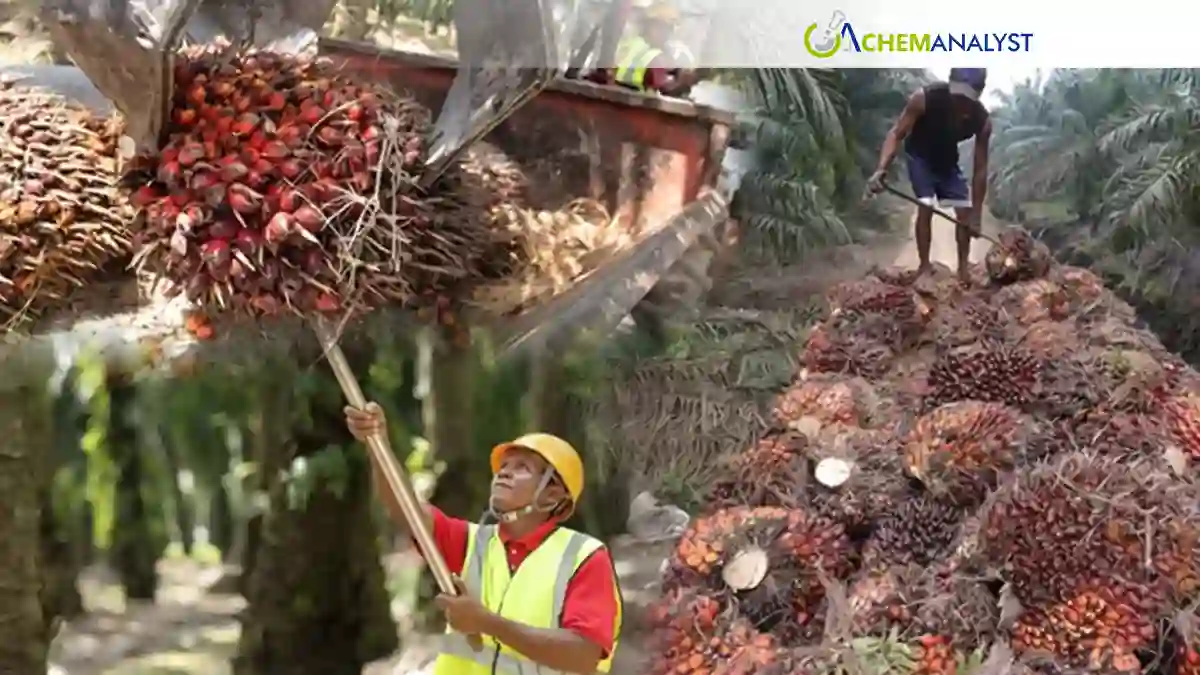
Malaysian palm oil futures experienced a decline on Friday, July 3, 2026, primarily influenced by weaker crude oil prices and expectations of increased production in Malaysia. The benchmark palm oil contract for September delivery on the Bursa Malaysia Derivatives Exchange fell by 0.8% to RM3,837 (US$815.71) per metric ton. This downturn erased gains from the previous trading session and placed palm oil on track for its second consecutive weekly drop.
Several factors contributed to the dip in palm oil prices, creating a bearish sentiment in the market.
Crude oil prices fell for a third consecutive day, with WTI crude down 0.05% to US$81.67 a barrel and Brent crude down 0.07% to US$85.58 a barrel. Palm oil's price often correlates with crude oil due to its use as a feedstock in biodiesel production. The accelerated shipments of crude oil from the Persian Gulf reduced the appeal and demand for biofuels, including palm oil. David Ng, a senior trader at IcebergX Sdn, highlighted the weakness in the energy market as a significant short-term concern, particularly with oil flowing through the Strait of Hormuz.
Expectations of robust output from Malaysia, the world's second-largest palm oil producer, also exerted downward pressure on prices. Analysts anticipate Malaysian palm oil production in June to rise by 12.3% to 1.86 million metric tons. This projected increase in supply suggests a higher availability of palm oil in the market.
Despite the anticipated rise in production, Malaysian palm oil exports for June 1-30 showed an increase. Cargo surveyor SGS reported a 9.3% rise in exports to 1,323,286 metric tons compared to May 1-31, while AmSpec Agri recorded an 11.8% increase to 1,348,799 metric tons over the same period. However, end-June inventory levels in Malaysia are expected to decrease by 5.2% from May, reaching 1.83 million metric tons.
Prices of rival edible oils, particularly soybean oil, also played a role. Dalian palm oil and soyoil contracts, along with Chicago soyoil prices, experienced declines, contributing to the overall softer sentiment across the vegetable oil complex.
The decline in palm oil futures has several implications for the industry and broader economy.
The market currently lacks strong bullish sentiment, as production continues to increase while exports have yet to show a significant recovery. This imbalance suggests that selling pressure could intensify if production momentum continues to build. A strengthening Malaysian ringgit has also made palm oil shipments from Malaysia more expensive, potentially curbing demand.
Indonesia's palm oil export levy and duty for July were set at US$100 per metric ton for crude palm oil (CPO). Indonesia also officially rolled out its expanded palm-based biodiesel mandate on July 1, which could impact domestic consumption and export volumes from the top producer. While this mandate is expected to boost domestic demand, the market has already factored in "incremental demand," limiting its immediate impact on current prices.
Impact & ChemAnalyst commodity price outlook:
The continued softness in palm oil futures signals near-term bearish momentum for the vegetable oil complex, as rising Malaysian production outpaces export recovery, building inventory pressure despite modest June export gains. A stronger ringgit further dampens competitiveness, potentially slowing overseas demand and reinforcing downward price trends into the coming weeks.
For chemical commodities tracked by ChemAnalyst, this has direct downstream implications. Palm oil is a key feedstock for oleochemicals, including fatty acids, glycerin, and fatty alcohols—so softer crude palm oil prices could ease input costs for oleochemical manufacturers, potentially pressuring prices of derivatives like stearic acid, oleic acid, and palm-based glycerin. Additionally, since palm oil competes with soybean and other vegetable oils in biodiesel applications, sustained weakness could spill over into biodiesel feedstock pricing and related methanol demand. Weaker crude oil prices compound this effect, generally softening petrochemical-linked commodity valuations, including those with feedstock correlations to fossil fuel markets, across ChemAnalyst's tracked portfolio.







 About ChemAnalyst
Leave a Comment
Comments (0)