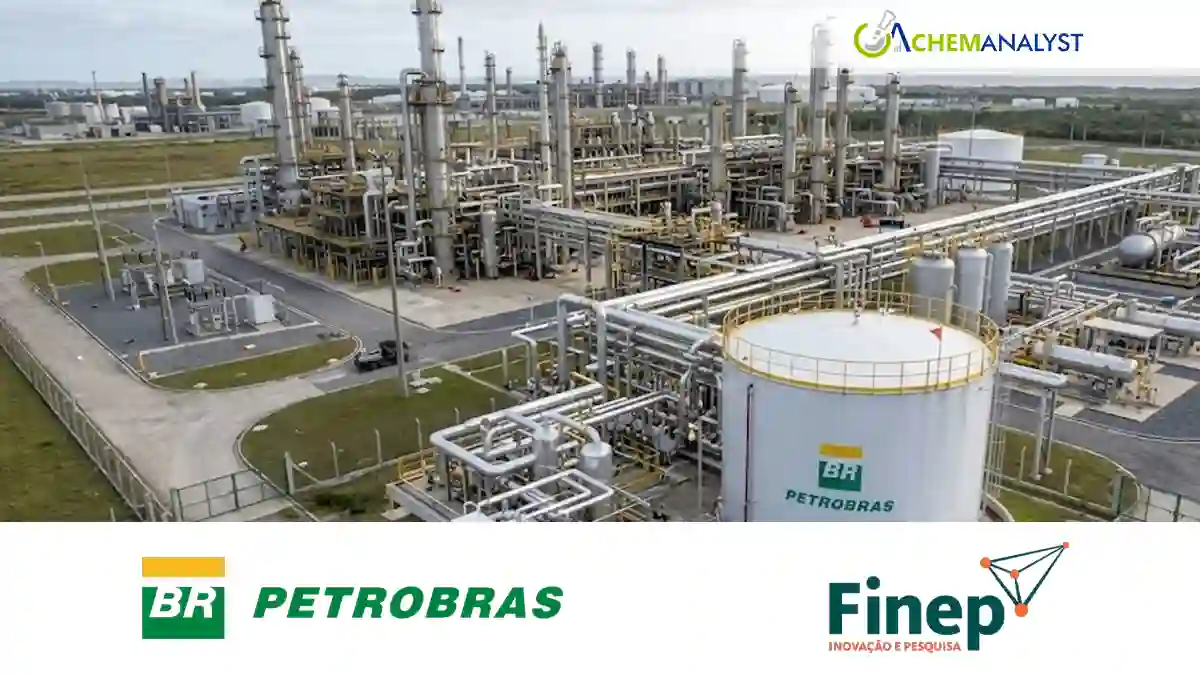
Petrobras and Finep have announced a significant collaborative effort aimed at strengthening Brazil’s position in the low-carbon hydrogen sector through the development of industrial-scale electrolyzer technology. The initiative, launched through a public call for proposals, seeks to support the creation of domestically produced electrolyzers capable of converting water into low-carbon hydrogen, a key component in global decarbonization strategies.
The announcement was made at Petrobras’ headquarters in Rio de Janeiro during the signing of a cooperation agreement between the two organizations. The event was attended by Brazil’s Minister of Science, Technology and Innovation, Luciana Santos, and Petrobras President Magda Chambriard, highlighting the strategic importance of the project for the country’s industrial and environmental future.
At present, Brazil has only a limited number of companies involved in manufacturing electrolyzers, and none currently produces the stack—the central component responsible for the electrochemical reaction that separates hydrogen from water. The new initiative aims to address this technological gap by encouraging domestic innovation and reducing dependence on imported equipment and expertise.
According to Minister Luciana Santos, the project aligns with the federal government’s broader goals of promoting industrial modernization, sustainability, and technological independence. She emphasized that strengthening local capabilities in strategic technologies will help build a competitive industrial supply chain, lower production costs, and better prepare Brazil for future energy and industrial challenges.
The proposal call is designed not only to support local production but also to stimulate technological innovation. Participating projects must ensure at least 50% domestic content in the developed equipment. Furthermore, while developers may build upon existing technologies, they must demonstrate measurable technological improvements compared to currently available international electrolyzer systems. This requirement is intended to encourage the creation of more advanced and efficient solutions rather than simply replicating existing products.
Petrobras President Magda Chambriard described low-carbon hydrogen as one of the most promising pathways toward industrial decarbonization. She noted that sectors such as steel manufacturing, chemicals, and petroleum refining could significantly reduce their carbon footprints through wider adoption of hydrogen produced via electrolysis. However, the high cost of hydrogen production remains a major obstacle to large-scale implementation. Reducing these costs is therefore a central objective of the initiative. Chambriard also highlighted Brazil’s favorable conditions for becoming a global leader in the hydrogen economy and reaffirmed Petrobras’ commitment to supporting a fair and sustainable energy transition.
The funding structure of the program reflects its ambitious scope. A total of R$150 million in non-repayable financing will be made available, with Finep and Petrobras each contributing R$75 million. Recipient companies will also be expected to provide matching investments. The program will support one large-scale strategic project involving a collaborative network of partners. Requirements include the participation of at least three companies engaged in technological development and at least one Science and Technology Institution (ICT), ensuring strong cooperation between industry and research organizations.
Renata Baruzzi, Petrobras’ Executive Director of Engineering, Technology and Innovation, explained that the initiative seeks to decrease external technological dependence while lowering hydrogen production costs. The selected project is expected to encompass the full development process, ranging from basic engineering activities to the creation of a pre-commercial prototype capable of demonstrating the technology’s practical viability.
Finep President Luis Antonio Elias emphasized that Brazil possesses the resources and capabilities necessary to play a leading role in the global energy transition. He stated that the country’s ambition extends beyond generating clean energy and includes developing the advanced technologies that will underpin future energy systems. According to Elias, the call for proposals represents an unprecedented effort to combine key innovation-support mechanisms and establish Brazil as an important player in the international hydrogen value chain.
The initiative is supported by substantial long-term investments. Petrobras’ 2026–2030 business plan includes approximately US$4 billion allocated to research, development, and innovation activities. Meanwhile, Finep has expanded its commitment to sustainable technologies, directing more than R$12.5 billion toward projects and programs supporting the green transition between 2023 and 2025. Together, these investments demonstrate Brazil’s determination to accelerate innovation, strengthen domestic manufacturing capabilities, and advance the development of a competitive low-carbon hydrogen industry.
Market Impact: The launch of Petrobras and Finep’s electrolyzer development program is expected to have a positive long-term impact on Brazil’s low-carbon hydrogen and clean-energy value chain. By promoting domestic production of electrolyzers and hydrogen technology, the initiative could reduce reliance on imported equipment, lower hydrogen production costs, and accelerate adoption of green hydrogen across industries such as refining, chemicals, fertilizers, and steelmaking. The investment will also stimulate R&D activities, strengthen local manufacturing capabilities, and create opportunities for companies involved in renewable energy, electrolysis systems, and hydrogen infrastructure.
From a chemical market perspective, the immediate impact on prices of commodities tracked by ChemAnalyst is likely to be limited because the project focuses on technology development and prototype creation rather than large-scale commercial hydrogen production. However, in the medium to long term, increased availability of cost-competitive green hydrogen could influence several chemical sectors. Green hydrogen may reduce production costs and carbon footprints for ammonia, methanol, and other hydrogen-dependent chemicals. As production capacity expands, prices of low-carbon ammonia and green methanol could become more competitive, potentially exerting downward pressure on premium sustainable chemical prices. Additionally, greater adoption of renewable hydrogen in refining and petrochemicals could improve feedstock flexibility and support decarbonization efforts, enhancing the competitiveness of Brazil’s chemical industry while encouraging investment in sustainable chemical production pathways.







Leave a Comment
Comments (0)