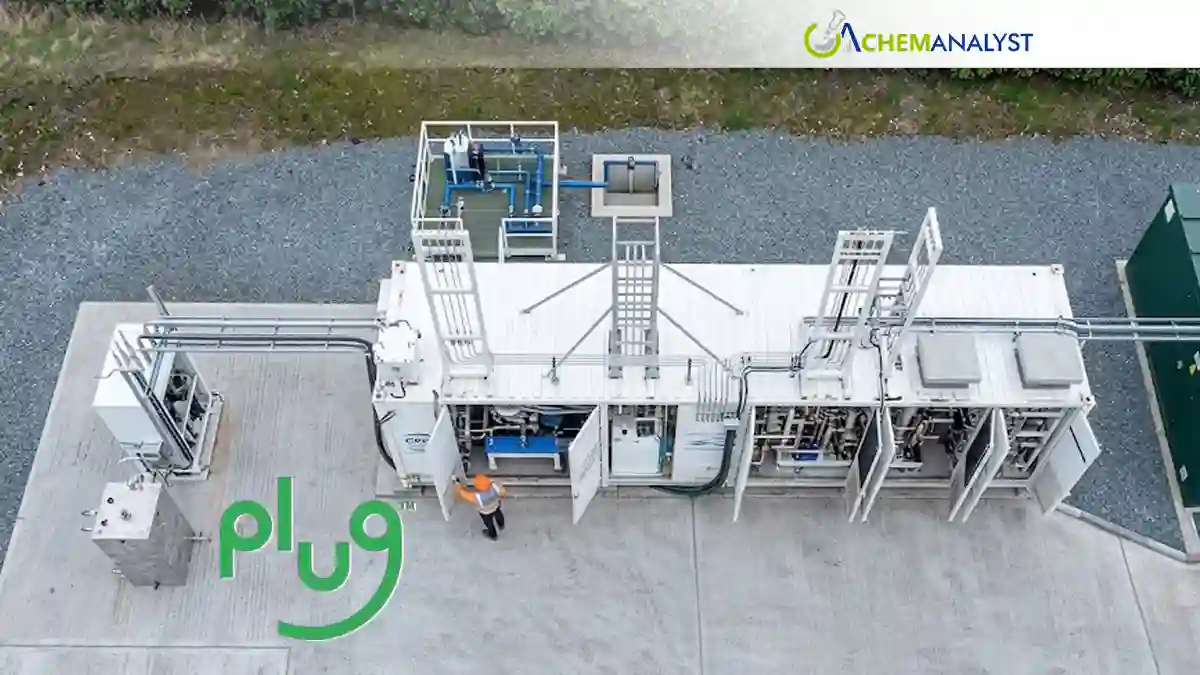
Plug Power Inc., headquartered in Latham, New York, has successfully completed a significant phase of the Måde Power-to-X (PtX) project located in Esbjerg, Denmark. The facility, developed and operated by European Energy, has now entered active hydrogen production following the successful installation and commissioning of Plug Power’s 5 MW GenEco Proton Exchange Membrane (PEM) electrolyzer system. This achievement represents one of Denmark’s earliest operational Power-to-X plants and marks another important step in Europe’s transition toward low-carbon energy solutions.
The completed phase involved the full installation of the electrolyzer system, followed by commissioning activities, site acceptance testing (SAT), and the formal handover of the project. With these milestones successfully achieved, the Måde facility is now fully operational and capable of producing renewable hydrogen using electricity generated from renewable energy sources. Power-to-X technology converts renewable electricity into hydrogen and other sustainable fuels, providing an effective pathway for reducing carbon emissions across energy-intensive industries, transportation, and industrial operations.
Plug Power highlighted that the project demonstrates its capability to deliver sophisticated hydrogen production systems efficiently while maintaining high operational standards. The company emphasized that the use of a fully containerized electrolyzer design significantly simplified installation procedures, minimized on-site construction complexity, and shortened the overall project timeline. These engineering advantages enabled the facility to move rapidly from installation to commercial hydrogen production.
Once operating at full capacity, the Måde PtX facility is expected to generate approximately 550 metric tons of green hydrogen every year. This production volume is comparable to roughly 1,500 truckloads of hydrogen annually. The hydrogen produced at the site will meet the Renewable Fuel of Non-Biological Origin (RFNBO) certification requirements under the International Sustainability and Carbon Certification (ISCC) framework, ensuring compliance with the European Union’s renewable fuel sustainability standards. This certification enhances the commercial value of the hydrogen while supporting customers seeking verified low-carbon energy solutions.
José Luis Crespo, Chief Executive Officer of Plug Power, stated that the company has entered a new phase characterized by disciplined growth and improved operational consistency. According to Crespo, Plug is increasingly transitioning from executing isolated projects to implementing standardized deployment processes that can be replicated across multiple installations. He noted that the experience gained from previous projects enables the company to continuously optimize system performance, shorten commissioning timelines, and improve overall project delivery with every new electrolyzer installation.
Plug Power currently has more than 70 GenEco electrolyzer systems operating across six continents. This expanding global deployment portfolio provides the company with valuable operational insights that contribute to ongoing improvements in product design, installation practices, commissioning procedures, and long-term system reliability. The accumulated field experience is helping Plug develop a scalable hydrogen platform capable of supporting growing international demand while maintaining consistent execution standards.
European Energy also emphasized the strategic importance of the Måde facility. Rene Alcaraz Frederiksen, Executive Vice President and Head of Power-to-X at European Energy, described the project as a key milestone in transforming Power-to-X initiatives from conceptual developments into commercially operating facilities. He noted that close collaboration with Plug Power enabled efficient completion of installation and commissioning activities, allowing renewable hydrogen production to begin on schedule. Frederiksen added that projects such as Måde demonstrate the practical implementation of large-scale PtX technology and contribute to the continued expansion of Europe's emerging hydrogen economy.
The commissioning of the Måde facility comes at a time when Europe is actively accelerating hydrogen deployment through supportive regulatory policies and ambitious decarbonization targets across industrial sectors. As governments and businesses increasingly prioritize renewable hydrogen to reduce greenhouse gas emissions, operational projects like Måde illustrate the industry's transition from pilot-scale demonstrations to commercially viable infrastructure. Plug Power continues to strengthen its European footprint by offering integrated hydrogen solutions that encompass production technologies, infrastructure development, storage systems, and hydrogen delivery capabilities, positioning the company to support the continent's expanding clean energy ecosystem.
Impact on Products and Chemical Commodity Prices:
The commissioning of Plug Power's 5 MW electrolyzer at the Måde Power-to-X facility is expected to strengthen the availability of renewable (green) hydrogen, supporting the production of low-carbon chemicals and sustainable fuels. While the plant's annual capacity of around 550 metric tons of hydrogen is relatively modest compared to Europe's total hydrogen demand, it represents another step toward expanding green hydrogen infrastructure and reducing reliance on fossil-based hydrogen. Industries such as ammonia, methanol, sustainable aviation fuel (SAF), and green refining are likely to benefit from improved access to certified renewable hydrogen over time. For chemical commodities tracked by ChemAnalyst, the immediate price impact is expected to be neutral, as the project's production scale is insufficient to materially influence regional supply-demand dynamics. However, in the medium to long term, continued commissioning of similar Power-to-X projects could gradually ease production costs for green ammonia and e-methanol while encouraging investment in sustainable chemical value chains, potentially supporting greater price stability for renewable chemical products.







 About ChemAnalyst
Leave a Comment
Comments (0)