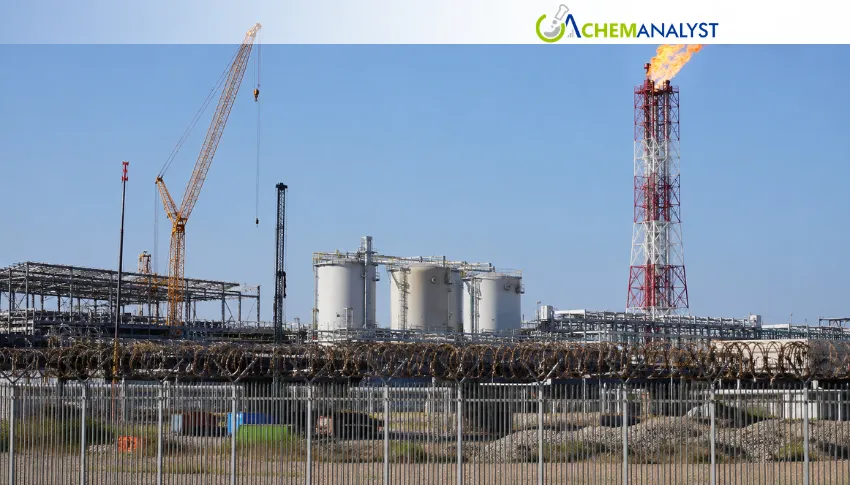
Qatar is preparing to restore its liquefied natural gas (LNG) production to normal operating levels within the coming weeks, according to comments made by Qatar’s Prime Minister, Sheikh Mohammed bin Abdulrahman Al-Thani, as reported by the Financial Times on Wednesday. The announcement signals optimism that the recent disruptions affecting the country’s energy sector may soon ease, allowing one of the world’s leading LNG exporters to stabilize supply flows to international markets.
The Prime Minister emphasized that diplomatic communication channels and regional de-escalation efforts remain crucial for maintaining energy security in the Gulf region. In particular, he highlighted the importance of establishing a direct communication hotline between the United States and Iran. Such a mechanism could help reduce tensions and facilitate the safe reopening of the Strait of Hormuz, a strategically significant maritime route through which a substantial portion of the world’s oil and LNG shipments pass. Any disruption in this corridor has the potential to affect global energy markets and create uncertainty among importing nations.
Qatar’s LNG operations were significantly impacted after QatarEnergy temporarily suspended production following the outbreak of hostilities involving the United States, Israel, and Iran. The conflict escalated after a drone attack targeted QatarEnergy’s massive Ras Laffan industrial complex, one of the largest LNG production and export hubs in the world. Concerns over the safety of critical infrastructure and the security of maritime transport routes prompted precautionary measures, including production interruptions.
The anticipated resumption of normal LNG output is expected to provide reassurance to global energy consumers, particularly in Europe and Asia, which rely heavily on Qatari LNG supplies. Market participants have closely monitored developments in the Gulf due to fears that prolonged disruptions could tighten global gas availability and contribute to price volatility.
With diplomatic efforts continuing and security conditions gradually improving, Qatar appears confident that its LNG facilities can soon return to full operational capacity. The move would help reinforce the country’s position as a key supplier in the international energy market while supporting stability in global natural gas trade.
Market Impact: The anticipated resumption of normal LNG production in Qatar is expected to have a stabilizing effect on global natural gas markets. As one of the world's largest LNG exporters, Qatar plays a critical role in supplying energy to Europe, Asia, and other major consuming regions. The return of production from the Ras Laffan complex will likely ease concerns over supply disruptions that emerged following geopolitical tensions in the Middle East. Increased LNG availability is expected to improve market confidence, reduce supply-side risks, and support smoother energy trade flows through international markets.
For the chemical industry, lower concerns regarding LNG shortages could translate into improved feedstock and energy cost stability. Natural gas serves as a key raw material and fuel source for several chemical value chains, particularly ammonia, methanol, hydrogen, and urea production. As LNG supply normalizes, energy-intensive chemical manufacturers may experience reduced operating cost pressures.
From a ChemAnalyst perspective, the development is likely to exert bearish to stable pressure on natural gas-linked chemical commodities. Prices of ammonia, urea, methanol, and other gas-based petrochemicals may witness limited downward movement or stabilization due to improved feedstock availability and lower energy cost expectations. Additionally, petrochemical products such as polyethylene (PE), polypropylene (PP), and other downstream polymers could benefit indirectly from improved market sentiment and reduced logistical uncertainties in the Gulf region. However, the magnitude of price movements will depend on actual production recovery rates, global demand conditions, and the broader geopolitical environment surrounding the Strait of Hormuz.







Leave a Comment
Comments (0)