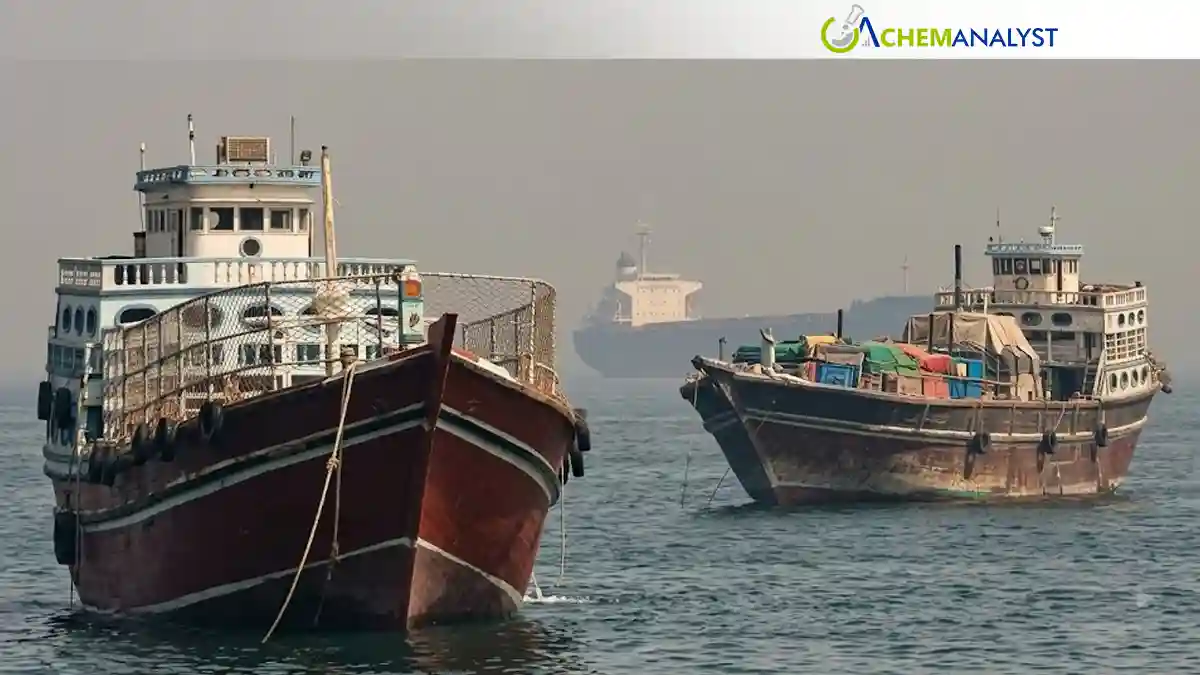
Qatar and the United Arab Emirates have increasingly turned to ship-to-ship (STS) LNG transfers outside the Strait of Hormuz to maintain deliveries to Asian buyers amid prolonged geopolitical tensions. Three LNG cargoes loaded in the Gulf region have reportedly been transferred between vessels off Oman and the UAE in recent weeks before reaching destinations in India and Japan.
The developments highlight the growing logistical challenges facing LNG exporters and importers as security risks continue to affect one of the world's most important energy shipping routes. Since the conflict involving the United States, Israel, and Iran began on February 28, several commercial vessels have reportedly faced attacks around the Strait of Hormuz. Iran has also largely restricted traffic through the waterway, disrupting regional energy flows and creating uncertainty across global LNG markets.
Most LNG carriers that have successfully navigated the Strait of Hormuz have delivered their cargoes directly to buyers. However, STS transfers are uncommon in the LNG trade because of the technical and operational complexities involved in transferring liquefied natural gas between vessels.
One notable transaction involved the LNG carrier GasLog Shanghai, which experienced an incident on July 31 while exiting the Strait of Hormuz after loading its cargo at Qatar's Ras Laffan export terminal. The vessel later completed an STS transfer with GasLog Savannah off the coast of Oman in late August. Both vessels are controlled by Greek shipping company GasLog.
Another transfer involved Al Rekayyat, an LNG carrier controlled by QatarEnergy. The vessel was struck by a projectile near the Strait of Hormuz in early July. In mid-August, it transferred its cargo to another Qatari LNG carrier, Tembek, off the UAE's east coast. The cargo, initially loaded at Ras Laffan, was subsequently transported by Tembek to India's Dahej LNG terminal, where it arrived on August 31.
A third STS operation involved ADNOC-controlled Mraweh, which loaded LNG from Das Island in early August. The vessel later transferred the cargo to LNG Enugu off Oman in mid-August. LNG Enugu is currently heading toward Futtsu in Japan.
The disruptions have already tightened LNG availability in Asia. Regional exports have declined since the conflict began, pushing Asian spot LNG prices to a five-month high of $23.20/MMBtu, more than twice pre-conflict levels. The increased use of STS transfers reflects efforts by exporters and shipping companies to reduce exposure to the Strait while keeping critical LNG supplies moving.
Product & Chemical Commodity Price Impact
The move is bullish for LNG prices in the near term because ship-to-ship transfers indicate elevated security and logistical risks around the Strait of Hormuz. Although STS operations can preserve deliveries, they add operational complexity, costs and potential delays, limiting effective supply availability. Asian LNG prices are therefore likely to remain elevated, particularly in India and Japan, if disruptions persist. Higher LNG costs could increase feedstock expenses for gas-based chemical producers, supporting prices of methanol, ammonia and hydrogen in affected markets. Elevated energy costs may also raise production costs for downstream chemicals, while sustained supply normalization would eventually ease these price pressures.








 About ChemAnalyst
Leave a Comment
Comments (0)