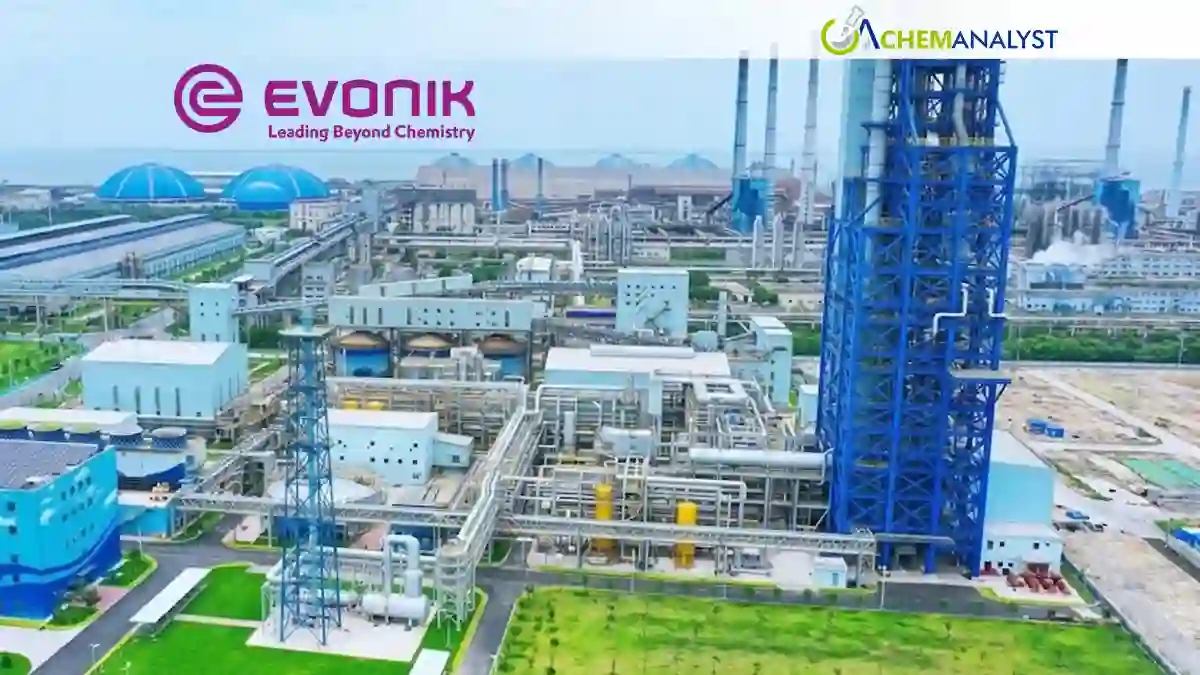
RWE Generation SE has achieved a major milestone in Germany's hydrogen transition by delivering its first batch of renewable hydrogen to Evonik Industries' Marl Chemical Park through the GET H2 Nukleus project. The delivery marks the successful integration of renewable hydrogen production, pipeline transportation, and industrial consumption within one coordinated system, demonstrating the viability of Germany's emerging hydrogen infrastructure.
The hydrogen is currently being produced during the commissioning phase of two 100-MW electrolysis plants located in Lingen, Lower Saxony. Produced in compliance with the European Union's Renewable Fuels of Non-Biological Origin (RFNBO) standards, the hydrogen is transported through approximately 120 kilometers of dedicated pipeline infrastructure. The network is jointly operated by transmission companies Nowega GmbH, Open Grid Europe (OGE), and SYNEQT GmbH, an Evonik subsidiary, before reaching Evonik's Marl Chemical Park for use in industrial manufacturing processes.
The GET H2 Nukleus project has received financial support from the German federal government and the states of Lower Saxony and North Rhine-Westphalia under the IPCEI Hy2Infra program. The hydrogen pipelines developed under the project represent some of the earliest operational segments of Germany's future national hydrogen backbone network.
According to OGE CEO Thomas Hüwener, the project signifies an important advancement toward establishing a functioning hydrogen economy in Germany. Besides enabling hydrogen transport, the network also provides valuable operational experience for future hydrogen market mechanisms, including network access, capacity allocation, and balancing procedures.
RWE Generation CEO Nikolaus Valerius emphasized that the successful pipeline delivery demonstrates how renewable hydrogen production, transportation infrastructure, and industrial demand can operate seamlessly together. The company plans to complete commissioning of its electrolysis facilities over the coming months. RWE expects to have 200 MW of electrolysis capacity operational in Lingen by the end of 2026, with total installed capacity increasing to 300 MW in 2027.
Nowega Managing Director Frank Heunemann highlighted that early collaboration among infrastructure operators and industrial customers has accelerated development of Germany's hydrogen ecosystem. Previous operational experience gained through the GET H2 TransHyDE research initiative has also contributed to the project's successful implementation.
SYNEQT Chairman Thomas Basten stated that reliable hydrogen availability strengthens the competitiveness of Marl Chemical Park while supporting the decarbonization of industrial operations and attracting future investments.
Looking ahead, additional infrastructure developments are already underway. A hydrogen pipeline connecting Heek and Epe was completed in late 2025 to support underground hydrogen storage. RWE Gas Storage West plans to begin filling Europe's first commercial hydrogen cavern storage facility by the end of 2026, with commercial operations expected in mid-2027. Additional pipeline conversions and new connections linking industrial sites across North Rhine-Westphalia are scheduled for completion by 2027, further expanding Germany's renewable hydrogen network.
Impact on Products and ChemAnalyst Commodity Prices
The successful integration of renewable hydrogen production and transportation is expected to strengthen the long-term supply of low-carbon hydrogen for industrial applications, particularly in chemicals, refining, fertilizers, methanol, and sustainable fuels. Greater hydrogen availability can gradually reduce dependence on fossil-based hydrogen while supporting decarbonized manufacturing. For chemical commodities tracked by ChemAnalyst, the immediate price impact is expected to remain limited because the project is still in its commissioning phase. However, over the medium to long term, increased renewable hydrogen production could ease production costs for green ammonia, green methanol, and other hydrogen-dependent chemicals, improving supply stability and exerting mild downward pressure on their premium green product prices.







Leave a Comment
Comments (0)