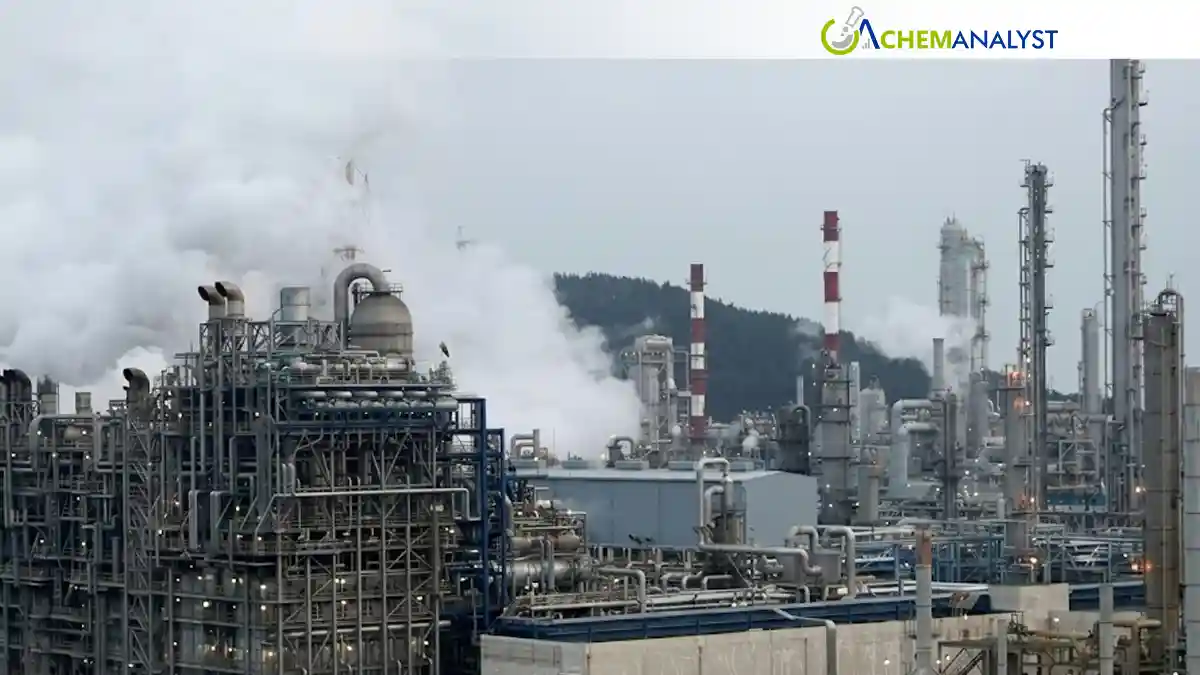
South Korean prosecutors have launched a major investigation into the country's petrochemical sector by conducting raids at the offices of seven leading chemical manufacturers over allegations of long-term price fixing. The move reflects the government's broader effort to curb anti-competitive practices that may have contributed to higher industrial and consumer prices amid elevated energy costs.
According to local media reports published on Wednesday, the Seoul Central Prosecutors' Office searched the premises of Hanwha Solutions, LG Chem, Aekyung Chemical, Unid Co., PKC, OCI, and Lotte Fine Chemical. Authorities are examining whether these companies coordinated pricing strategies for multiple petrochemical products over several years, violating South Korea's competition laws.
The investigation reportedly focuses on allegations that the companies colluded to increase the prices of eight chemical products, including caustic soda and polyvinyl chloride (PVC), both of which are essential raw materials for numerous industrial applications. Caustic soda is widely used in alumina refining, pulp and paper manufacturing, textiles, soaps, detergents, and water treatment, while PVC is a key material in construction, packaging, electrical insulation, pipes, and consumer goods.
Although prosecutors have not publicly disclosed detailed evidence, the searches indicate that authorities are gathering documents and electronic records to determine whether coordinated pricing practices existed. If proven, the companies could face significant financial penalties, regulatory sanctions, and possible legal action under South Korea's fair trade regulations.
The investigation comes as the South Korean government intensifies scrutiny of industries vulnerable to anti-competitive behavior. Rising crude oil prices and higher production costs have placed pressure on manufacturers across the petrochemical value chain. Officials are concerned that illegal price coordination could have further inflated costs for downstream industries and consumers beyond what market conditions justified.
Industry observers note that any enforcement action against major chemical producers could influence pricing strategies across the domestic petrochemical market. Companies may become more cautious in commercial negotiations and pricing decisions as regulatory oversight increases. The case may also encourage greater transparency in chemical pricing and strengthen compliance measures within the sector.
The outcome of the investigation will be closely watched by manufacturers, traders, and downstream industries that rely on stable supplies of basic chemicals. While the allegations remain under investigation, the raids underscore South Korea's determination to promote fair competition and prevent practices that could distort market dynamics in one of the country's most important industrial sectors.
Impact on Products and Chemanalyst Chemical Prices
The investigation is unlikely to disrupt immediate production, but it could influence the pricing behaviour of manufacturers dealing in caustic soda, PVC, and related petrochemicals. Companies may adopt more transparent pricing mechanisms and avoid aggressive price increases while regulatory scrutiny remains high. For chemical commodities tracked by ChemAnalyst, including caustic soda, PVC, chlorine derivatives, and downstream chlor-alkali products, prices may witness short-term stability or softer movements if anti-competitive practices are curbed. However, any penalties, compliance costs, or operational disruptions arising from the investigation could tighten regional supply conditions later, potentially supporting prices depending on overall demand and feedstock trends.







Leave a Comment
Comments (0)