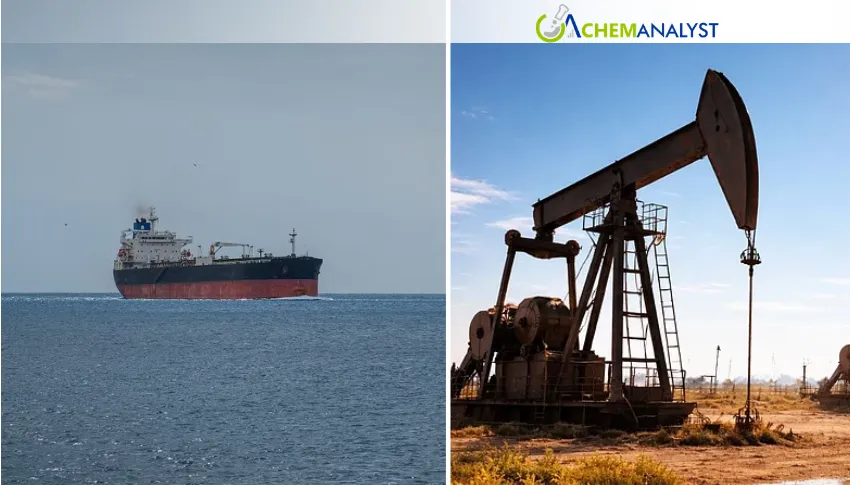
Escalating tensions between the United States and Iran have significantly impacted global commodity markets, particularly crude oil and precious metals. Recent military actions and renewed sanctions have heightened concerns over energy supplies and regional stability. These developments underscore the critical geopolitical importance of the Strait of Hormuz.
Tensions between Washington and Tehran recently escalated, with the United States launching military strikes against Iran. This action followed reports of Iranian forces attacking commercial vessels in the strategically vital Strait of Hormuz. In response to these incidents, the US also reimposed sanctions on Iranian oil exports. A US official stated that Iran's attacks were "wholly unacceptable" and warned of consequences for further actions.
The Strait of Hormuz is the world's most important oil transit chokepoint, connecting the Persian Gulf with the Gulf of Oman and the Arabian Sea. Approximately 21% of global petroleum liquids consumption, or 21 million barrels per day, flowed through the strait in 2022. It serves as the primary gateway for oil exports from major Middle Eastern producers, including Saudi Arabia, Iraq, Kuwait, the United Arab Emirates, Qatar, and Iran. Any disruption to this narrow waterway can severely affect international energy markets.
The renewed geopolitical friction directly influenced commodity prices. Crude oil futures saw a significant jump, rising over two percent. Brent crude oil futures increased by 2.4 percent to $75.96 per barrel, while West Texas Intermediate (WTI) crude futures rose 2.6 percent, also reaching $75.96 per barrel. This surge was a direct result of concerns over potential disruptions to global crude supply due to the Strait of Hormuz tensions.
Precious metals also reacted to the instability. Gold prices, often considered a safe-haven asset during times of uncertainty, experienced fluctuations. Earlier, gold had seen a jump following news of a preliminary US-Iran agreement to end conflict and reopen the strait, which briefly eased inflation concerns. However, with the re-escalation of tensions, gold and silver prices showed varied movements, with gold erasing some gains. Investors closely monitored these developments alongside upcoming central bank meetings.
The persistent uncertainty surrounding US-Iran relations and the security of the Strait of Hormuz has broader implications for global markets and industries. Shipping companies, for instance, have delayed sending vessels through the route, awaiting greater clarity on the security situation. This hesitation highlights the direct industry-specific impact of geopolitical tensions on global trade flows. The stability of the Strait remains critical for maintaining a steady flow of energy that powers the global economy.
Impact on chemical commodity prices tracked by ChemAnalyst
Chemical commodities are likely to face upward price pressure as crude oil, a key feedstock for petrochemicals, becomes more expensive due to Strait of Hormuz-related supply concerns. Products like ethylene, propylene, benzene, and other naphtha-derived chemicals could see cost escalation as refiners pass on higher crude procurement costs. Additionally, freight and logistics disruptions from delayed shipping through the Strait may extend lead times and raise transportation costs for chemicals sourced from or transiting through the Middle East, a major petrochemical hub. Downstream derivatives such as polymers, solvents, and fertilizers (particularly those dependent on natural gas and ammonia production) may also witness price volatility. Buyers could face tighter supply chains and increased procurement costs, especially for Middle East-origin cargoes. If tensions persist, chemical manufacturers may need to explore alternative sourcing routes or absorb higher input costs, potentially squeezing margins across the value chain and influencing near-term pricing trends tracked across ChemAnalyst's commodity indices.







 About ChemAnalyst
Leave a Comment
Comments (0)