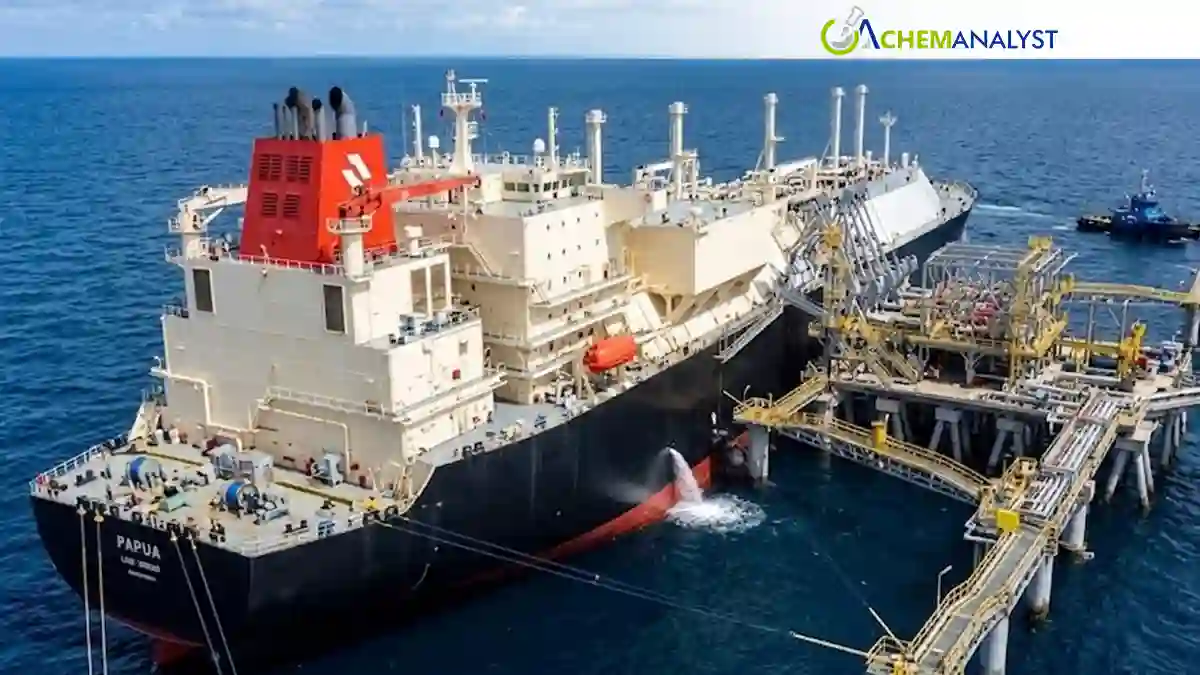
Taiwan has suspended spot purchases of liquefied natural gas (LNG) from Papua New Guinea (PNG) after the Pacific nation ordered the closure of Taiwan’s representative office in Port Moresby, marking a fresh escalation in diplomatic tensions between the two sides.
The decision follows an announcement by Papua New Guinea’s Foreign Minister Justin Tkatchenko earlier this month, directing the Taipei Economic Office in the capital to cease operations immediately. The move attracted criticism from several countries and prompted Taiwan to reassess aspects of its bilateral engagement with PNG, including energy trade.
According to Taiwan’s Ministry of Foreign Affairs (MOFA), the government has halted spot-market LNG procurement from Papua New Guinea. Spot purchases generally involve cargoes delivered within a few weeks to three months and provide buyers with greater flexibility than long-term supply agreements. Officials clarified that the suspension currently applies only to spot transactions and does not affect existing contractual commitments.
Despite the suspension of spot LNG imports, Taiwan emphasized that broader cooperation with Papua New Guinea remains largely unchanged. Programs covering agricultural development, technical assistance, and scholarship initiatives will continue without interruption. In addition, Taiwan’s representative office is reportedly still functioning while diplomatic discussions with senior Papua New Guinea officials continue in an effort to resolve the dispute.
Taiwanese diplomats are actively engaging with their counterparts to convince the Papua New Guinea government that maintaining the Taipei Economic Office would serve the interests of both parties. MOFA also noted that future LNG procurement decisions will continue to be based primarily on Taiwan’s energy security requirements and market conditions.
During the first quarter of the year, Taiwan imported approximately 500,000 metric tons of LNG from Papua New Guinea through spot-market purchases. Separately, state-owned CPC Corp., Taiwan maintains a one-year agreement to import around 1.2 million metric tons of LNG from the country. Officials indicated that the long-term contract remains unaffected by the current diplomatic disagreement.
Taiwan also highlighted that it has the flexibility to source spot LNG cargoes from multiple international suppliers if required. This diversification strategy is expected to minimize any immediate impact on the island’s energy supply and reduce dependence on a single exporting nation.
The suspension reflects how geopolitical developments can influence energy trade decisions even when long-term commercial agreements remain intact. While diplomatic negotiations continue, Taiwan’s ability to secure LNG from alternative suppliers is likely to help maintain energy stability, whereas Papua New Guinea could experience reduced opportunities in the spot LNG market if the dispute persists.
Impact on Product and Chemical Commodity Prices
Taiwan's suspension of spot LNG purchases from Papua New Guinea is expected to have a limited immediate impact on LNG availability because long-term supply contracts remain active and Taiwan can source cargoes from alternative exporters. However, Papua New Guinea could face reduced spot-market demand if the diplomatic dispute continues. For products, the move is unlikely to significantly affect downstream petrochemical production or industrial gas consumption in the near term. Consequently, prices of chemical commodities tracked by ChemAnalyst—including methanol, ammonia, urea, ethylene, propylene, polyethylene, and polypropylene—are expected to remain largely stable, with only minor regional LNG-related cost fluctuations possible if spot market tightness increases.






Leave a Comment
Comments (0)