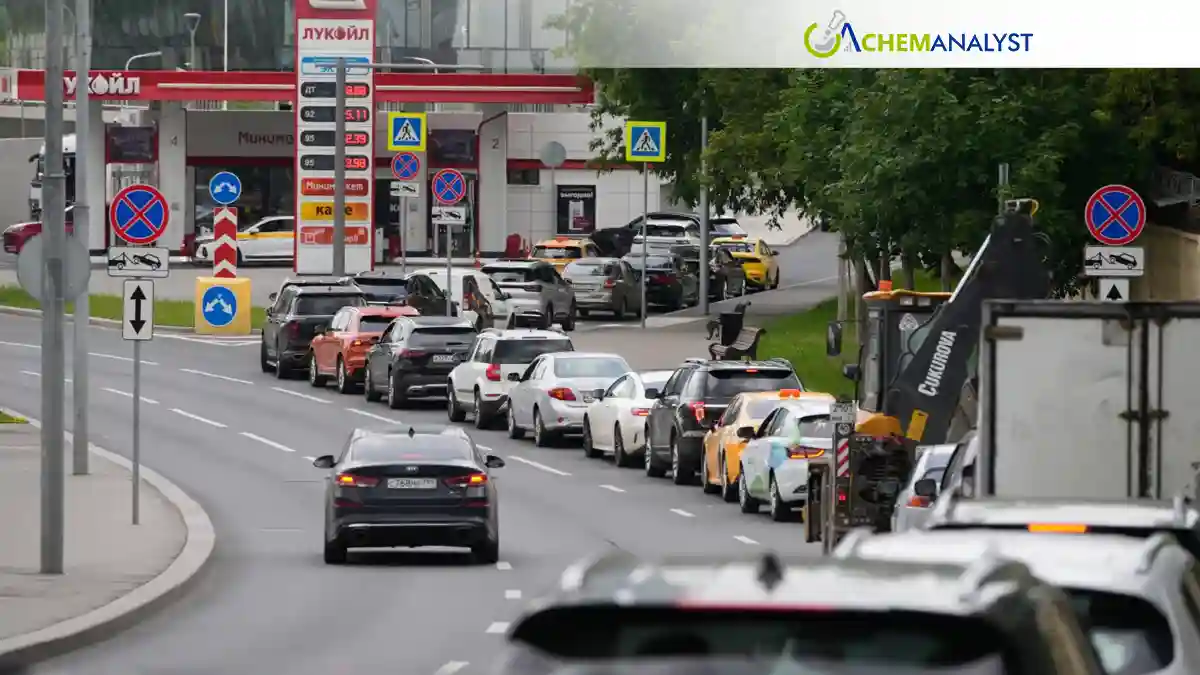
Ukraine's sustained drone and missile campaigns have triggered a severe fuel crisis in Russian-occupied Crimea and significant shortages across Russia. These strategic attacks target critical energy infrastructure, including refineries, depots, and pipelines. The current situation represents the worst fuel disruption in Crimea since Russia's illegal annexation of the peninsula in 2014. This ongoing crisis significantly undermines Moscow's narrative of winning the four-year-old war.
The primary cause of the crisis is Ukraine's increasingly effective and intensified drone and missile strikes, which have caught Russia unprepared. Ukrainian forces have specifically targeted fuel supplies to Crimea, attacking tanker trucks and the land corridor connecting the peninsula to Russia. Longer-range strikes have systematically reduced Russia's overall oil production capacity by damaging refineries and oil depots deep inside the country. Concurrently, mid-range attacks hinder Russia's ability to transport the fuel it can still produce. Ukrainian President Volodymyr Zelenskyy has highlighted the effectiveness of new domestically developed weapons, such as the Palianytsia missile, Ruta missile drone, and swarms of Liutyi and Fire Point long-range drones, in hitting these crucial energy facilities.
Residents of Crimea and other occupied territories are experiencing significant disruptions to daily life due to the fuel shortages. Authorities in Crimea suspended civilian gasoline sales and, in late May, restricted purchases to 20 liters (approximately 5 1/3 gallons) per vehicle per week, requiring prepaid coupons. Motorists face hours-long waits at gas stations, and social media platforms are active with requests and advice on where to find fuel. The Kremlin has publicly acknowledged the problem's scope and pledged a swift resolution.
The crisis severely threatens Crimea's tourism-dependent economy as the critical summer vacation season begins. Local authorities have even launched a hotline to assist stranded tourists. While some motorists transport limited amounts of fuel, up to 100 liters (about 26 1/2 gallons), over the Kerch Bridge from the mainland, speculators are selling gasoline at double the market price. Increased fuel shipments via ferries are anticipated to help alleviate some of the pressure.
Economically, these strikes are significantly impacting Russia's oil exports and contributing to domestic fuel shortages. Ukrainian intelligence reports indicate that Russia has dramatically boosted fuel imports, including a sixfold increase from Belarus and new imports from China. This increased reliance on external sources, coupled with the removal of import duties, signals considerable economic strain on Russia's energy sector. The Washington-based Institute for the Study of War emphasizes the synergy between Ukraine's long-range and mid-range strike campaigns, effectively impacting both Russia's fuel production and transportation capabilities.
Geopolitically, these successful Ukrainian attacks highlight Kyiv's growing capability to inflict painful and strategic damage on Russia. They demonstrate Ukraine's effective use of domestically developed long-range weapons and its ability to maintain pressure on Moscow. This ongoing disruption to vital supplies aims to influence the course of the conflict, which has now surpassed the duration of World War I.
Product Impact: Russia's refined fuel supply chain faces acute disruption, with gasoline rationing (20 liters/week) imposed in Crimea and diesel/gasoline availability tightening nationwide. Refinery outages are reducing domestic processing capacity, forcing Russia to import fuel from Belarus and China to plug gaps. Export volumes of Russian crude and refined products are likely to decline as domestic shortages take priority, while black-market fuel trading and price gouging intensify locally.
Impact on Chemical Commodities: This crisis is likely to push global crude oil and naphtha prices upward as Russian refining capacity shrinks, tightening feedstock availability for petrochemicals like ethylene, propylene, and polymers (PE, PP). Reduced Russian diesel and gasoil exports could strain European and Asian supply chains, elevating prices for downstream derivatives such as MEG, PVC, and solvents. Fertilizer inputs (ammonia, urea) tied to Russian gas/oil infrastructure may also see price volatility if energy disruptions spread to gas processing. Overall, expect upward pressure on crude-linked chemical feedstocks, freight-adjusted import costs for Europe/Asia, and increased price volatility across petrochemical value chains as markets price in prolonged Russian supply uncertainty and potential rerouting of global fuel trade flows.







 About ChemAnalyst
Leave a Comment
Comments (0)