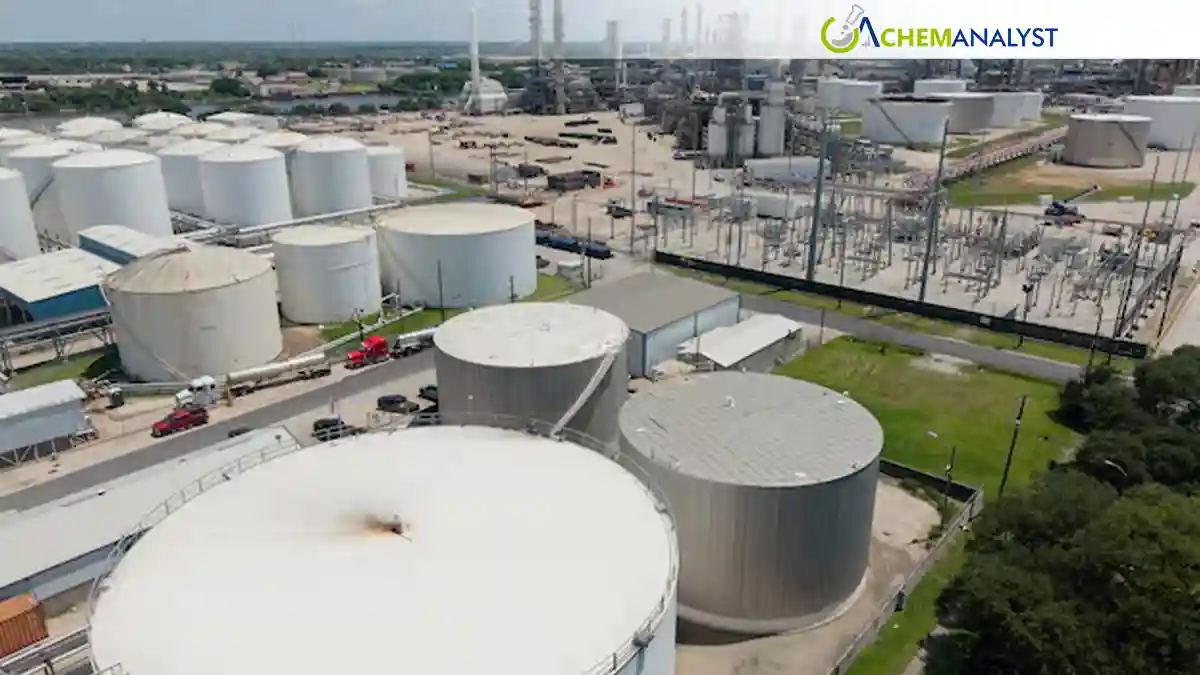
U.S. refineries are operating at exceptionally high rates as the global energy market faces severe disruption from geopolitical conflicts, damaged refining infrastructure and tightening fuel supplies. Refiners have increased production and exports to help offset shortages in other major producing regions, but the prolonged pace of operations is raising concerns about maintenance backlogs, equipment failures and unexpected shutdowns.
The pressure on the U.S. refining sector intensified after the conflict involving Iran disrupted crude and fuel flows through the Strait of Hormuz, a critical route for global energy supplies. At the same time, repeated attacks on Russian refining facilities have reduced processing capacity and contributed to tighter diesel availability. Refinery disruptions in the Middle East and Russia have therefore placed greater responsibility on U.S. plants to supply international markets.
Global refinery throughput fell sharply in July to around 81 million barrels per day (bpd), almost 5 million bpd below the level recorded during the same period a year earlier, according to the International Energy Agency. The decline has increased competition for available refined products and pushed U.S. refiners to maintain unusually high operating rates.
The United States has responded by increasing exports of crude oil, gasoline, diesel and jet fuel. Higher international fuel prices and strong refining margins have provided a major financial incentive for companies to maximize production. Major refiners, including Valero, Phillips 66, Marathon Petroleum and Exxon Mobil, reported strong second-quarter earnings as elevated margins supported profitability.
However, maintaining high utilization for an extended period can create operational risks. Refinery systems contain complex equipment that requires regular inspection and maintenance. When planned maintenance is postponed to keep plants running, the probability of mechanical problems and unplanned outages can increase.
U.S. refinery utilization has remained above 95% for an extended period, a level rarely sustained in historical data. Previous periods of exceptionally high utilization were followed in some cases by sudden declines in production as plants entered emergency maintenance or experienced operational disruptions.
The current situation is particularly challenging because refiners are operating under different conditions than during previous high-utilization periods. Instead of being driven primarily by cheap crude or exceptionally strong demand, current production levels are being supported by a shortage of global refining capacity caused by geopolitical disruptions and infrastructure damage.
Many U.S. refiners have reportedly delayed maintenance projects to capitalize on elevated margins, with some work pushed into late 2026 or 2027. While this strategy can maximize near-term output and profitability, it could create additional operational pressure if maintenance requirements accumulate.
The global market has limited room for further disruptions. Fuel inventories are under pressure, while refining capacity losses in major producing regions could persist for years. If a major U.S. refinery experiences an unexpected shutdown, the impact could extend beyond the domestic market by tightening international supplies and increasing competition for available fuel.
For now, U.S. refiners are helping stabilize a strained global fuel market. However, continued dependence on maximum refinery utilization creates a difficult balance between meeting immediate demand and protecting long-term operating reliability. Any significant loss of U.S. refining capacity could intensify global fuel shortages, increase transportation costs and place further upward pressure on energy and petrochemical markets.
Product and Chemical Commodity Price Impact
The news is bullish for refined petroleum products and refinery-linked feedstocks as prolonged high U.S. refinery utilization, global capacity losses and tight inventories keep fuel supply constrained. Gasoline, diesel, jet fuel and other middle distillates are likely to remain elevated, while any unplanned U.S. refinery outage could trigger another sharp price spike. For chemical commodities tracked by ChemAnalyst, higher refinery operating costs and expensive feedstocks could support prices of naphtha, aromatics such as benzene and toluene, and olefin derivatives, particularly if crude and fuel prices remain firm. However, weaker downstream demand and higher production costs could limit gains in some petrochemical markets.








 About ChemAnalyst
Leave a Comment
Comments (0)