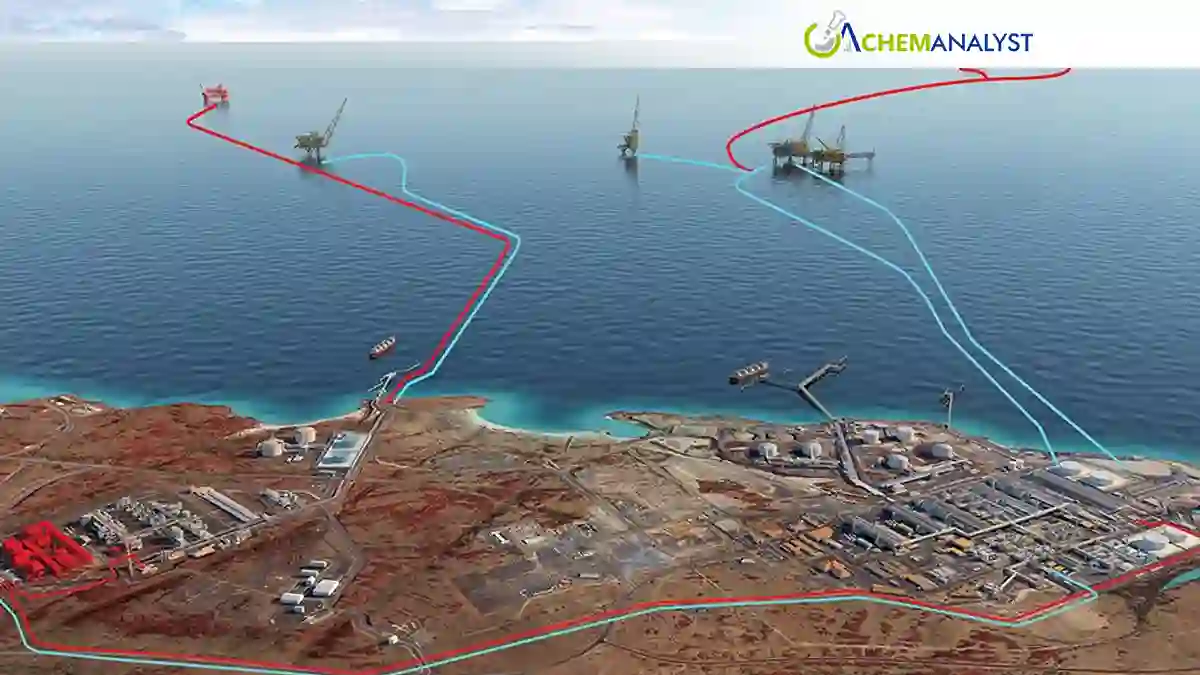
Australia’s east coast natural gas market is expected to remain adequately supplied through the final quarter of 2026, according to the latest assessment released by the Australian Competition and Consumer Commission (ACCC). However, the regulator has cautioned that additional investment in upstream gas production and storage infrastructure will be essential to ensure long-term energy security, particularly as supply risks begin to emerge in 2027.
In its latest gas inquiry report, the ACCC projected that the east coast gas market will maintain a healthy supply-demand balance during the fourth quarter of 2026. The regulator estimates that the region could record a surplus of approximately 13 petajoules (PJ) during this period, even under the assumption that liquefied natural gas (LNG) exporters choose to ship all of their available uncontracted gas to overseas markets rather than selling it domestically. This forecast indicates that domestic consumers are unlikely to experience supply shortages during the latter part of 2026.
Despite the encouraging outlook for the near term, the ACCC warned that the market could face tighter conditions in the middle of 2027. Specifically, the regulator highlighted the possibility of gas shortfalls during the second and third quarters of 2027 if LNG producers prioritize exports of all uncontracted gas volumes. Such a scenario could significantly reduce the quantity of gas available for domestic users, particularly during periods of elevated seasonal demand.
The report also noted that supply conditions are expected to improve again later in the year. According to the ACCC, both the first and fourth quarters of 2027 are forecast to remain well supplied, suggesting that any supply imbalance would likely be temporary rather than persistent throughout the year. Nevertheless, the regulator emphasized that proactive planning will be necessary to bridge the expected gap during the winter months when heating demand typically rises across eastern Australia.
ACCC Commissioner Anna Brakey stressed the importance of optimizing production and storage strategies to strengthen the market’s resilience. She explained that increasing gas production in the coming quarters could provide an opportunity to build inventories in underground storage facilities before winter demand intensifies. By filling storage reserves ahead of seasonal consumption peaks, producers and policymakers can help minimize the likelihood of temporary supply disruptions and price volatility.
The regulator further underscored the critical role of Queensland’s LNG producers in maintaining adequate domestic supply. According to the ACCC, LNG exporters and their associated companies operating in Queensland collectively control approximately 84% of Australia’s commercially viable east coast gas resources. As a result, investment decisions made by these companies will have a significant influence on the future availability of natural gas for both domestic consumption and export markets.
Expanding production capacity through new field developments, infrastructure upgrades, and sustained investment will therefore be essential to meet growing demand beyond 2026. The ACCC indicated that without timely investment, Australia’s east coast gas market could become increasingly vulnerable to supply imbalances as domestic consumption and export commitments continue to compete for available resources.
Overall, while the regulator remains confident that the east coast gas market will be comfortably supplied through the remainder of 2026, it has urged industry participants and policymakers to take early action to strengthen production and storage capabilities. Such measures will be crucial in ensuring reliable gas availability, supporting industrial users and households, and maintaining market stability in the years ahead.
Impact on Products and Chemical Commodity Prices
The ACCC's outlook of sufficient east coast gas supply through the end of 2026 provides short-term stability for Australia's gas-dependent industries, including petrochemicals, fertilizers, methanol, ammonia, hydrogen, and industrial manufacturing. Stable gas availability is expected to support uninterrupted production of key downstream products such as ammonia, urea, ammonium nitrate, methanol, hydrogen, polyethylene (PE), polypropylene (PP), and other gas-based petrochemicals, limiting immediate supply-side disruptions. Consequently, ChemAnalyst-tracked chemical commodities are likely to witness stable to slightly softer prices in the near term as feedstock availability remains adequate. However, the ACCC's warning of potential gas shortages during the second and third quarters of 2027 introduces a medium-term bullish outlook. If LNG exporters prioritize overseas shipments over domestic supply, natural gas prices could rise, increasing production costs for energy-intensive chemicals. This would likely push ammonia, methanol, urea, hydrogen, and other gas-derived chemical prices upward, while also elevating manufacturing and logistics costs across Australia's broader chemical value chain.








 About ChemAnalyst
Leave a Comment
Comments (0)