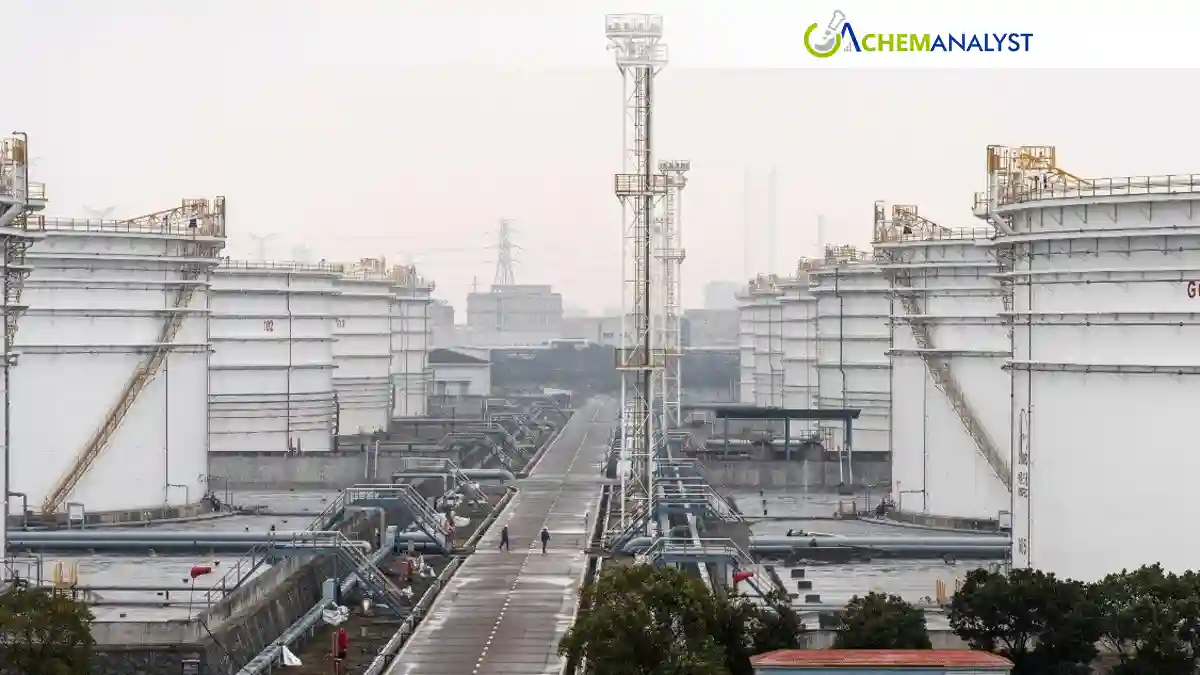
China is easing its restrictions on oil product exports, a significant shift from its previous policy enacted in March. This move comes as the nation seeks to manage abundant domestic fuel supplies and support its refining industry. The policy change is expected to increase global fuel availability and could influence regional energy markets.
In March, China implemented export curbs on gasoline and diesel to prioritize domestic fuel security, particularly after the onset of the Middle East conflict. This led to a sharp curtailment of refined product exports, with volumes significantly below historical norms. However, Beijing has now informed state refiners that they can export fuels like gasoline and diesel to a broader range of countries, affecting shipments from July onward. This signals a growing comfort with China's domestic fuel supply situation.
The primary drivers behind China's decision to lift export curbs are ample domestic supplies and a slower-than-expected rebound in internal demand for fuels. Chinese refiners have maintained high crude processing rates, leading to an inventory build-up. By increasing exports, China aims to help its refiners sustain high operating rates and profitability. The initial restrictions in March were driven by concerns that the Middle East conflict could disrupt crude oil imports and threaten domestic fuel security. However, vessel traffic through the Strait of Hormuz has since increased, easing some of these concerns.
The easing of export restrictions is set to increase the global supply of refined fuels, potentially putting downward pressure on regional fuel premiums in Asia. This could benefit nations facing fuel shortages and high costs. For Chinese refiners, the increased export allowances offer a crucial outlet for their surplus production and a boost to revenue. Conversely, refiners in other Asian countries, such as South Korea, Japan, and India, might experience squeezed margins due to increased competition from Chinese exports.
China's pivot towards increased fuel exports reinforces its role as a major player in global energy markets. The move could help stabilize Asian energy markets, which have experienced supply shortages. While China remains a significant importer of crude oil and gas, its ability to export refined products demonstrates its substantial refining capacity and strategic influence. This policy adjustment also highlights China's adaptive approach to balancing domestic energy security with global market dynamics.
Impact on Product:
China's decision to relax gasoline and diesel export restrictions will increase the availability of refined petroleum products in international markets, particularly across Asia. Higher export volumes will help absorb China's surplus fuel inventories while enabling domestic refiners to maintain elevated operating rates and profitability. Import-dependent countries may benefit from improved supply security and lower procurement costs. However, refiners in competing Asian markets could face stronger competition, lower refining margins, and reduced export opportunities as Chinese cargoes gain market share.
Impact on Prices of Chemical Commodities Tracked by ChemAnalyst:
The easing of China's refined fuel export restrictions is expected to exert bearish pressure on prices of petroleum-derived chemical commodities tracked by ChemAnalyst. Greater exports of gasoline and diesel indicate healthy refinery utilization, which also increases the production of refinery by-products and petrochemical feedstocks such as naphtha, propylene, benzene, toluene, mixed xylenes, and sulfur. Improved feedstock availability could reduce production costs for downstream petrochemical manufacturers, placing downward pressure on chemicals including polypropylene (PP), polyethylene (PE), styrene, phenol, acetone, and synthetic rubber. Regional fuel premiums across Asia are also likely to soften as supply improves, lowering energy and transportation costs for chemical producers. While stronger export activity supports Chinese refiners' profitability, the overall increase in refined fuel and petrochemical feedstock supply is expected to outweigh demand growth in the near term. Consequently, ChemAnalyst-tracked petroleum-based chemicals are likely to witness stable-to-lower prices, especially in Asian markets, unless geopolitical disruptions or unexpected demand recovery tighten supply conditions.







 About ChemAnalyst
Leave a Comment
Comments (0)